

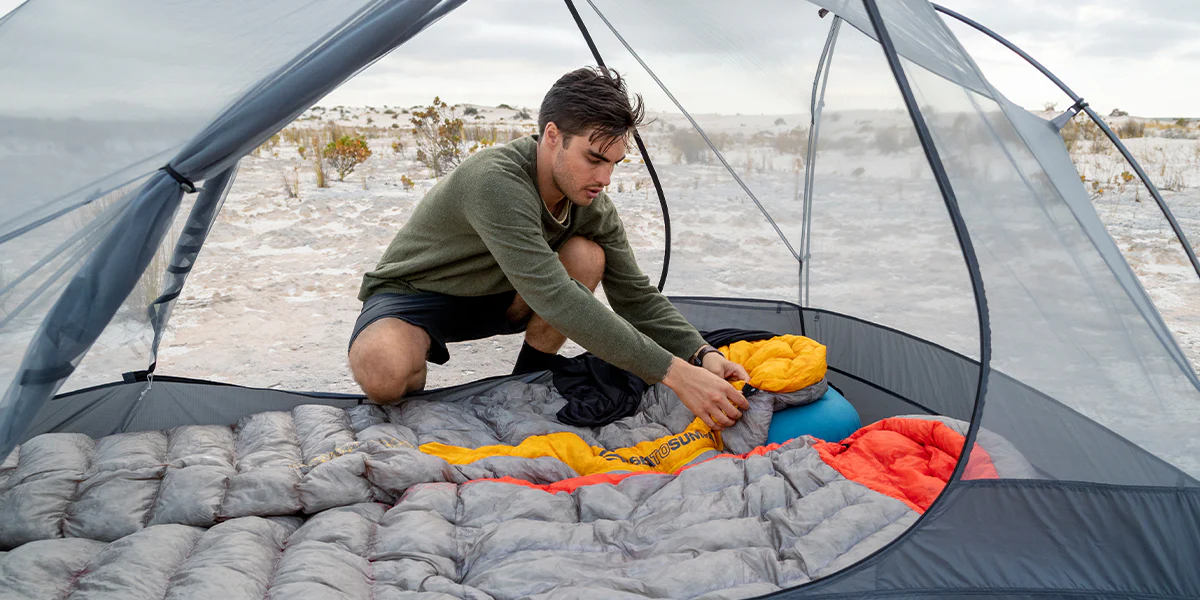
Camping in exposed areas has taught me quickly that calm conditions are never guaranteed. Wind shifts, sudden rain squalls, and pressure changes can turn a relaxing night into a test of both gear and patience. I’ve spent enough evenings reinforcing guy lines by headlamp and listening to fabric snap in the dark to know that tent choice matters more in unstable weather than almost any other piece of equipment. The tents that perform well in these conditions are not always the lightest or cheapest, but they are the ones that let me sleep when the forecast proves unreliable.
In this guide, I focus on tents that have proven themselves in wind-prone locations, variable elevations, and regions where weather changes without warning. These selections are based on structural design, pole architecture, fabric choices, ventilation control, and overall stability rather than marketing claims. Some are better suited for backpacking, while others excel at base camp or extended stays, but all of them share one thing in common: they are built to stay upright and dry when conditions stop cooperating.
This list of the best tents for windy and unpredictable weather reflects what I look for when planning trips where shelter reliability is non-negotiable. I prioritize real-world durability, smart engineering, and designs that perform when the environment becomes unpredictable rather than forgiving.
1. MSR Hubba Hubba NX
The MSR Hubba Hubba NX has earned its reputation by balancing lightweight design with surprising resilience in challenging conditions. I’ve used this tent in gusty alpine terrain and exposed ridgelines where wind direction shifts throughout the night, and its pole geometry consistently distributes stress instead of letting it concentrate in one weak point. The freestanding design allows for quick repositioning when wind exposure changes, which is invaluable in unpredictable environments.
One aspect I appreciate is how the tent manages ventilation without sacrificing protection. Adjustable rainfly vents and solid fabric panels help regulate airflow while still blocking drafts. In rapidly changing weather, being able to fine-tune airflow prevents condensation buildup without opening the tent to wind-driven rain. The fabric tension remains stable even when temperatures drop, which reduces flapping and noise during overnight gusts.
Despite its relatively low weight, the Hubba Hubba NX feels dependable when staked properly. It requires careful site selection and correct guy line usage to reach its full potential, but once dialed in, it handles sustained wind better than many tents in its weight class. For trips where I expect uncertain forecasts but still need to move efficiently, it remains a reliable option.
Key Features
- Symmetrical pole design for even load distribution
- Adjustable rainfly vents for airflow control
- Lightweight yet durable nylon fabrics
- Freestanding structure for flexible pitching
- Color-coded setup for faster deployment
Pros
- Strong performance for its weight
- Excellent ventilation control
- Easy setup in changing conditions
- Packs down compact for backpacking
- Stable when fully guyed out
Cons
- Requires careful staking in high wind
- Lightweight materials need mindful handling
- Premium price point
2. Hilleberg Nallo 2
The Hilleberg Nallo 2 is built with harsh environments in mind, and that becomes obvious the moment it’s pitched. This tunnel-style tent prioritizes aerodynamic efficiency, allowing wind to flow over the structure rather than batter it from multiple angles. I’ve used it in sustained wind where dome tents struggled, and the difference in stability was immediately noticeable.
What sets the Nallo 2 apart is its fabric and pole combination. The Kerlon outer fabric resists tearing far beyond standard tent materials, and the pole sleeves add structural integrity by distributing force evenly. In unpredictable weather, especially when storms arrive overnight, this level of strength provides peace of mind that lighter tents often lack.
The interior space is modest but efficient, designed for function rather than luxury. I appreciate how the extended vestibule offers protected storage and a sheltered cooking area when rain and wind make outside tasks difficult. While it isn’t the quickest tent to pitch solo in extreme wind, once secured, it becomes a solid refuge against unpredictable elements.
Key Features
- Tunnel design optimized for wind resistance
- Kerlon fabric with high tear strength
- Continuous pole sleeves for stability
- Extended vestibule for gear storage
- Adjustable guy lines for load distribution
Pros
- Exceptional wind performance
- Extremely durable materials
- Reliable in prolonged bad weather
- Strong structural integrity
- Trusted expedition-level design
Cons
- Heavier than ultralight alternatives
- Requires staking for full setup
- Higher cost than many competitors
3. Big Agnes Copper Spur HV UL3
The Big Agnes Copper Spur HV UL3 surprised me with how well it manages turbulent conditions for a tent designed with weight savings in mind. Its high-volume architecture increases livable space while still maintaining a stable profile when properly anchored. I’ve used it in variable weather where storms rolled in unexpectedly, and it handled shifting wind better than expected.
The tent’s pole structure creates steeper walls, which reduces fabric deflection under pressure. While not a true four-season shelter, it offers impressive resilience for three-season use when pitched thoughtfully. The ability to add extra guy lines enhances stability, especially when wind direction changes overnight.
Ventilation is another strength. Large mesh panels combined with a well-designed rainfly allow moisture to escape while maintaining coverage. In unpredictable weather where temperatures fluctuate, this balance helps maintain comfort without compromising protection. For campers who want versatility without excessive weight, this tent remains a strong contender.
Key Features
- High-volume pole architecture
- Lightweight aluminum pole system
- Dual vestibules for gear storage
- Multiple guy-out points
- Well-balanced mesh and fabric panels
Pros
- Spacious interior for its weight
- Versatile for different conditions
- Easy to pitch and adjust
- Good ventilation control
- Packs down efficiently
Cons
- Not designed for extreme winter conditions
- Requires extra guy lines in strong wind
- Lightweight fabrics need care
4. The North Face Mountain 25
The North Face Mountain 25 is a classic choice for severe weather, and its reputation is well-earned. This tent is designed to withstand high winds, snow loading, and rapid weather changes without compromising structural integrity. I’ve relied on it in exposed environments where lesser shelters would have failed.
The geodesic pole structure creates multiple intersecting points that spread wind load across the entire frame. This design minimizes movement and reduces the chance of collapse under pressure. In unpredictable conditions, this stability is invaluable, especially when storms arrive faster than anticipated.
Inside, the Mountain 25 prioritizes durability over weight savings. The fabrics are thick, the zippers are robust, and the overall build feels purpose-driven. While it isn’t the lightest option, it offers confidence that few other tents can match when conditions deteriorate.
Key Features
- Geodesic pole architecture
- Heavy-duty fabric construction
- Multiple venting options
- Reinforced stress points
- Four-season capability
Pros
- Outstanding stability in wind
- Proven expedition performance
- Durable materials throughout
- Reliable in extreme weather
- Spacious enough for gear management
Cons
- Heavier than most backpacking tents
- Bulkier packed size
- Premium price range
5. Nemo Kunai 2P
The Nemo Kunai 2P bridges the gap between lightweight backpacking tents and true four-season shelters. I’ve used it in unpredictable shoulder-season weather where conditions fluctuate between calm and aggressive within hours. Its hybrid design offers enough protection for wind and snow without excessive bulk.
The tapered shape reduces wind resistance, while the pole structure reinforces key stress areas. What stands out is how adaptable the tent feels. Adjustable vents, removable fabric panels, and configurable guy lines allow me to fine-tune the setup depending on conditions.
While interior space is limited compared to larger tents, the Kunai excels as a reliable shelter in uncertain weather. It’s a solid choice for trips where forecasts are unreliable and weight still matters.
Key Features
- Hybrid three-to-four-season design
- Reinforced pole intersections
- Adjustable ventilation panels
- Compact footprint
- Lightweight yet protective fabrics
Pros
- Excellent balance of weight and strength
- Adaptable to changing conditions
- Strong wind resistance
- Quick setup
- Compact packed size
Cons
- Limited interior space
- Less vestibule storage
- Requires careful ventilation management
6. REI Co-op Arete ASL 2
The REI Co-op Arete ASL 2 is designed for climbers and backpackers who regularly encounter unstable weather. I’ve found it especially effective in windy alpine zones where exposure is unavoidable. The tent’s shape and pole configuration prioritize stability over interior volume.
Its fabric choice and reinforced guy-out points help the structure remain steady under sustained gusts. While not intended for deep winter use, it performs admirably in unpredictable three-season conditions. The interior feels secure and protected, even when wind noise increases outside.
Setup is straightforward, which matters when conditions deteriorate quickly. I value how quickly it becomes functional shelter when time and weather are both working against me.
Key Features
- Wind-shedding tent profile
- Reinforced guy-out points
- Durable polyester fabric
- Lightweight pole system
- Compact design for exposed sites
Pros
- Stable in windy environments
- Fast and efficient setup
- Durable for its weight
- Affordable for its category
- Good balance of protection and portability
Cons
- Tight interior space
- Limited ventilation options
- Not ideal for long base camps
7. Black Diamond StormLine Stretch
The Black Diamond StormLine Stretch stands out because of its fabric choice. The stretch-woven material adapts to wind pressure instead of resisting it rigidly, which reduces stress on seams and poles. I’ve noticed less flapping and noise in strong gusts compared to traditional fabrics.
The tent’s low-profile design further improves wind performance. Combined with multiple guy-out points, it stays planted even when wind direction shifts suddenly. This adaptability makes it a strong option for unpredictable conditions where rigidity can become a liability.
While interior space is minimal, the focus here is protection rather than comfort. For fast-and-light trips into exposed terrain, it offers dependable shelter without unnecessary weight.
Key Features
- Stretch-woven fabric construction
- Low-profile aerodynamic shape
- Multiple reinforced guy points
- Lightweight aluminum poles
- Quick-pitch design
Pros
- Excellent wind adaptability
- Reduced fabric noise
- Lightweight and packable
- Durable construction
- Performs well in variable conditions
Cons
- Minimal interior room
- Limited storage space
- Premium pricing for size
8. Exped Orion II Extreme
The Exped Orion II Extreme is built for extended exposure to severe weather, and it shows in every design detail. I’ve used it as a base camp shelter where weather systems rolled through unpredictably for days at a time. Its dome structure offers excellent strength and livability.
The tent balances space and stability, making long stays more comfortable without sacrificing protection. Dual vestibules provide sheltered gear storage, while internal organization helps manage equipment during storms. In strong wind, the structure remains solid and reassuring.
Although heavier than minimalist options, the Orion II Extreme earns its weight through reliability. For campers who prioritize shelter performance over ultralight packing, it’s a dependable choice among the best tents for windy and unpredictable weather.
Key Features
- Robust dome-style structure
- High-strength fabric materials
- Dual vestibules for storage
- Multiple ventilation points
- Reinforced pole system
Pros
- Excellent long-term weather resistance
- Spacious interior for extended stays
- Stable in strong winds
- Durable materials throughout
- Comfortable base camp option
Cons
- Heavier packed weight
- Larger footprint
- Higher price category
Final Thoughts
Choosing the best tents for windy and unpredictable weather comes down to understanding how design, materials, and structure work together under stress. I’ve learned that reliability matters more than minimal weight when conditions are unstable. A tent that stays quiet, upright, and dry through sudden weather changes is worth every extra ounce.
Each option in this guide serves a different type of camper, from fast-moving backpackers to those establishing exposed base camps. The common thread is dependable performance when forecasts fail and conditions shift unexpectedly. When shelter becomes the difference between a miserable night and a manageable one, investing in proven designs makes all the difference.
For anyone planning trips where weather uncertainty is part of the experience, these selections represent some of the most reliable options available today.
