

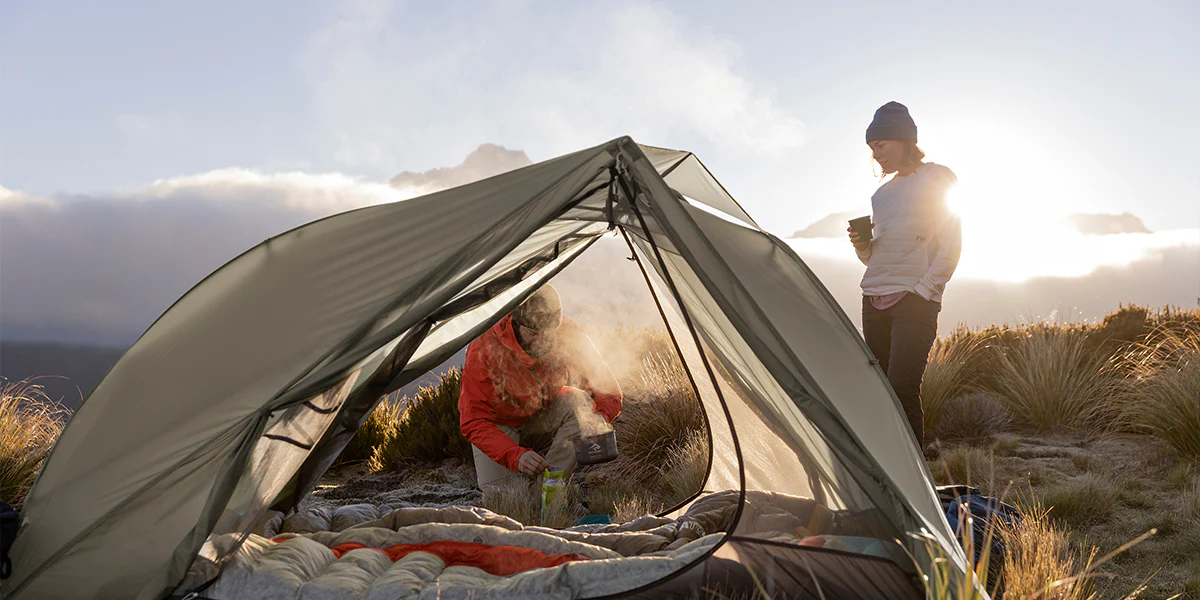
Cold-weather camping is unforgiving when your insulation fails. I’ve spent nights where temperatures dropped faster than expected, wind cut through campsites, and sleep depended entirely on the quality of my sleeping bag. In those moments, comfort is not a luxury. It is survival, recovery, and the difference between waking rested or exhausted. A dependable cold-weather sleeping bag keeps heat consistent, manages moisture, and maintains loft even when conditions turn unpredictable.
What I look for in cold-weather sleeping bags goes beyond temperature ratings printed on a tag. I pay attention to insulation type, baffle construction, draft protection, hood design, and how the bag performs after repeated use. Some bags excel in dry cold, others perform better in damp environments, and a few manage both exceptionally well. Weight and packability matter, but not at the expense of warmth when temperatures drop below freezing.
This guide to the best sleeping bags for cold-weather camping focuses on real-world performance in challenging conditions. Each option below has proven reliable when nights get long, cold, and demanding. These are sleeping bags I trust when warmth is non-negotiable.
1. Western Mountaineering Antelope MF
The Western Mountaineering Antelope MF is built for deep cold and extended use in harsh environments. I’ve relied on this bag during winter trips where nighttime temperatures consistently dropped well below freezing, and it has never struggled to maintain warmth. The down loft is immediate and substantial, creating an even layer of insulation that traps heat efficiently without cold spots.
The MicroFiber shell adds an extra layer of protection against moisture, which is critical in cold-weather camping where condensation can compromise insulation. I’ve used this bag in snowy conditions and high-humidity cold environments, and it continues to perform without noticeable loss of loft. The draft collar and hood design seal in warmth effectively, reducing heat loss during restless nights.
Despite its warmth, the Antelope MF packs down reasonably well for its temperature rating. It feels purpose-built rather than over-engineered, focusing on consistent thermal performance rather than unnecessary features. For serious cold-weather trips, it remains one of the most dependable options available.
Key Features
- High-loft goose down insulation
- MicroFiber water-resistant shell
- Continuous baffle construction
- Full draft collar and insulated hood
- Lightweight design for its warmth rating
Pros
- Exceptional warmth retention
- Durable materials for long-term use
- Reliable loft in cold, dry conditions
- Comfortable fit without excess bulk
- High-quality craftsmanship
Cons
- Expensive compared to synthetic options
- Requires careful moisture management
- Premium investment
2. Feathered Friends Snowbunting EX 0
The Feathered Friends Snowbunting EX 0 is designed for extreme cold-weather camping where failure is not an option. I’ve used this bag in subzero conditions, and its ability to retain warmth throughout the night is impressive. The down distribution is even, eliminating cold zones that can disrupt sleep in frigid temperatures.
The EX fabric offers strong water resistance without sacrificing breathability. In cold-weather environments where frost buildup and condensation are common, this balance keeps insulation dry and effective. The generous draft collar, face gasket, and contoured hood work together to seal warmth inside the bag, even when temperatures plummet.
While the Snowbunting EX 0 is not lightweight, it justifies its weight through dependable performance. For winter expeditions, mountaineering trips, and deep cold camps, it provides confidence that few sleeping bags can match.
Key Features
- 900+ fill power goose down
- Water-resistant EX shell fabric
- Full-length draft collar
- Deep hood with adjustable drawcords
- Box-baffle construction
Pros
- Outstanding warmth in extreme cold
- Excellent moisture resistance
- Durable for expedition use
- Comfortable interior design
- Consistent loft retention
Cons
- Heavier than three-season bags
- High price point
- Overkill for mild winter conditions
3. NEMO Sonic -20
The NEMO Sonic -20 is engineered for versatility in cold-weather camping where temperatures fluctuate. I’ve used it in winter conditions that ranged from bitter cold to milder nights, and its ventilation options made a noticeable difference in comfort. The Thermo Gills allow excess heat to escape without exposing the interior, preventing overheating when conditions shift.
The spoon-shaped design provides extra room at the elbows and knees, which I appreciate during long nights when staying in one position becomes uncomfortable. This additional space does not compromise warmth thanks to well-placed insulation and a draft collar that seals heat effectively.
Synthetic-treated down adds moisture resistance, making this bag more forgiving in damp cold environments. For campers who want cold-weather performance without feeling restricted, the Sonic -20 offers a balanced and thoughtful design.
Key Features
- Thermo Gill ventilation system
- Spoon-shaped interior design
- Hydrophobic down insulation
- Draft collar and insulated hood
- Durable shell fabric
Pros
- Adjustable warmth control
- Comfortable fit for side sleepers
- Good performance in damp cold
- Thoughtful ventilation design
- Reliable cold-weather rating
Cons
- Slightly bulkier packed size
- Heavier than minimalist options
- Premium pricing
4. Mountain Hardwear Phantom 0
The Mountain Hardwear Phantom 0 balances weight savings with dependable cold-weather insulation. I’ve carried this bag on winter backpacking trips where pack weight mattered, and it performed well without unnecessary bulk. The high-quality down lofts quickly, providing immediate warmth when temperatures drop after sunset.
The mummy shape is efficient, minimizing dead air space while maintaining comfort. A well-designed hood and draft tube help reduce heat loss, and the fabric feels light yet durable enough for repeated use in cold environments. While it doesn’t offer as many adjustment features as heavier expedition bags, its simplicity works in its favor.
For cold-weather camping where mobility matters, the Phantom 0 delivers warmth without excess weight. It’s best suited for dry cold conditions where down insulation can perform at its best.
Key Features
- 850 fill power down insulation
- Lightweight mummy design
- Draft collar and insulated zipper
- Durable ripstop shell
- Compact packed size
Pros
- Excellent warmth-to-weight ratio
- Packs down small
- Quick loft recovery
- Comfortable for cold nights
- Ideal for backpacking
Cons
- Less moisture resistant
- Slim fit may feel restrictive
- Limited ventilation options
5. Marmot Col -20
The Marmot Col -20 is built for serious winter camping where temperatures drop dramatically. I’ve used it in deep winter conditions where staying warm through the night was critical, and its insulation performed consistently. The down fill is generous, creating a thick barrier against cold air.
The bag’s construction focuses on eliminating heat loss through seams and zippers. A substantial draft collar and reinforced footbox help maintain warmth even when temperatures dip far below freezing. The exterior fabric feels tough enough to handle rough winter use.
This sleeping bag is heavier than some alternatives, but its durability and warmth make it well suited for base camps and extended cold-weather trips. When weight is less critical than performance, it remains a solid option.
Key Features
- High-fill down insulation
- Reinforced footbox design
- Full draft collar and zipper tube
- Durable outer shell
- Expedition-level construction
Pros
- Excellent deep-cold performance
- Durable materials
- Reliable insulation distribution
- Comfortable for long nights
- Suitable for extreme conditions
Cons
- Heavy packed weight
- Large pack size
- Less versatile for milder trips
6. REI Co-op Magma 15
The REI Co-op Magma 15 offers cold-weather performance in a more accessible package. I’ve used it for shoulder-season winter trips where temperatures hovered near freezing, and it provided consistent warmth without feeling excessive. The down insulation lofts well and retains heat efficiently.
Its lightweight design makes it easy to carry, and the tapered mummy shape improves thermal efficiency. While it is not designed for extreme cold, it performs well in moderately cold conditions and offers good value for its price point.
For campers transitioning into cold-weather camping, this bag provides a reliable entry point without sacrificing comfort or quality.
Key Features
- 850 fill power down insulation
- Lightweight mummy design
- Draft collar and hood
- Water-resistant shell treatment
- Compact storage size
Pros
- Good warmth-to-weight balance
- Affordable for down insulation
- Comfortable fit
- Easy to pack
- Suitable for mild winter conditions
Cons
- Limited extreme cold capability
- Less durable shell fabric
- Narrow temperature range
7. The North Face Inferno -20
The North Face Inferno -20 is designed for severe cold and expedition use. I’ve relied on it during winter trips where overnight temperatures were unpredictable and consistently low. The down insulation is dense and evenly distributed, providing steady warmth throughout the night.
The bag’s draft collar, face gasket, and hood work together to seal in heat effectively. Even during long, motionless nights, it maintains warmth without requiring constant adjustment. The outer fabric resists moisture and abrasion, making it suitable for harsh environments.
While it is heavy and bulky, the Inferno -20 prioritizes performance over convenience. For campers who need absolute reliability in extreme cold, it delivers.
Key Features
- High-loft down insulation
- Expedition-grade shell fabric
- Full draft collar and face gasket
- Reinforced baffle construction
- Extreme cold temperature rating
Pros
- Outstanding warmth in severe cold
- Durable construction
- Reliable insulation performance
- Designed for expedition use
- Comfortable thermal sealing
Cons
- Heavy and bulky
- Expensive
- Not versatile for warmer trips
8. Big Agnes Torchlight EXP -20
The Big Agnes Torchlight EXP -20 stands out for its adjustable fit. I’ve used it in cold-weather conditions where layering varied night to night, and the expandable panels allowed me to customize interior space without sacrificing warmth. This flexibility improves comfort, especially during extended trips.
The down insulation performs well in cold environments, and the draft protection is effective. While it doesn’t feel as rugged as expedition-focused bags, it provides dependable warmth for winter camping where comfort and adjustability matter.
For campers who dislike restrictive mummy bags but still need cold-weather performance, this option strikes a useful balance.
Key Features
- Expandable side panels
- High-quality down insulation
- Draft collar and insulated hood
- Lightweight shell fabric
- Adjustable fit system
Pros
- Customizable interior space
- Comfortable for restless sleepers
- Good cold-weather warmth
- Packs reasonably well
- User-friendly design
Cons
- Slightly heavier than fixed-fit bags
- Less durable for extreme expeditions
- Higher cost for adjustability
Final Thoughts
Selecting the best sleeping bags for cold-weather camping comes down to understanding how insulation, construction, and fit work together under real conditions. I’ve learned that temperature ratings alone do not tell the full story. Consistent loft, moisture management, and draft protection are what make the difference when nights are long and cold.
Each sleeping bag in this guide serves a specific type of cold-weather camper, from lightweight backpackers to expedition-focused adventurers. The common factor across all of them is reliable warmth when conditions become demanding.
For anyone planning trips into cold environments, investing in a proven sleeping bag is essential. The right choice ensures restful sleep, safer nights, and the confidence to camp comfortably when temperatures drop and conditions become unpredictable.
