

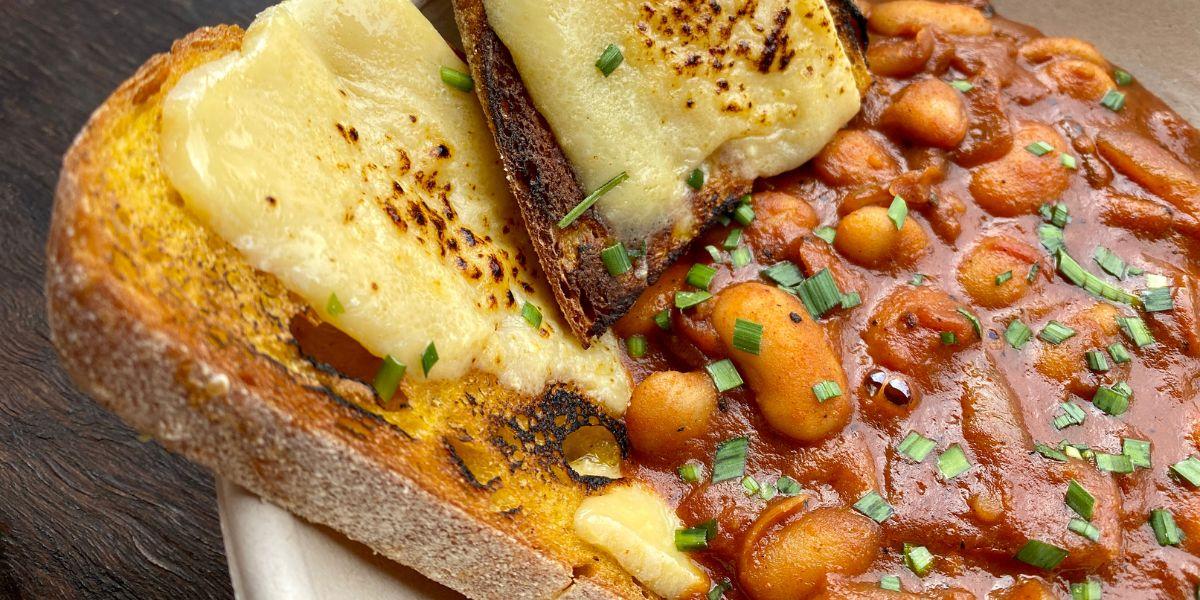
Cooking over a campfire can feel intimidating at first, especially after a few meals come out scorched on the outside and raw in the middle. I have burned more food than I care to admit, usually because I underestimated how powerful and unpredictable fire can be. Over time, I learned that campfire cooking is less about speed and more about control, patience, and paying attention.
Fire does not behave like a kitchen stove. Heat shifts constantly, flames rise and fall, and wind changes everything in seconds. Once I stopped trying to force campfire cooking to work like home cooking, my results improved dramatically.
This guide explains how to cook over a campfire without burning food by focusing on practical habits, fire management, and simple techniques. These methods work for beginners and experienced campers alike and make outdoor cooking far more enjoyable.
Building the Right Fire for Cooking
The fire itself determines whether food burns or cooks evenly. Cooking directly over tall flames almost always leads to burned meals. Flames look impressive, but they are unpredictable and too intense for most foods.
Hot coals provide steady, even heat that is much easier to manage. I wait until the fire has burned down and formed a solid bed of glowing embers. This stage offers better temperature control and fewer flare-ups.
Building a fire with cooking in mind changes everything. A wide fire with room to spread coals creates multiple heat zones, which allows more flexibility while cooking.
Letting the Fire Settle Before Cooking
Patience matters more than most people realize. Starting to cook too early is one of the fastest ways to burn food. Even well-prepared meals struggle when placed over unstable flames.
I usually give the fire at least twenty to thirty minutes to settle before cooking. During that time, wood breaks down into coals and heat evens out. This waiting period saves food from burning later.
Using the fire preparation time to prep ingredients makes the process smoother. Once cooking begins, the fire is ready and attention stays on the food rather than fighting the flames.
Using Heat Zones to Control Cooking
A campfire naturally creates different temperature areas. The center is the hottest, while the edges are cooler. Recognizing and using these zones prevents burning.
I move food instead of adjusting the fire constantly. Sliding a pan closer to the center increases heat, while shifting it outward slows cooking. This simple habit improves control dramatically.
Heat zones also allow multitasking. One dish can simmer gently on the edge while another sears closer to the center. This reduces stress and keeps food from overheating.
Choosing the Right Cookware for Campfires
Cookware plays a huge role in preventing burned food. Thin pots heat too quickly and scorch easily. Thick-bottomed cookware distributes heat more evenly and forgives small mistakes.
Cast iron is especially useful over a campfire. It holds heat well and reduces hot spots. Although heavier, it makes cooking more predictable.
Long-handled utensils and sturdy lids help manage heat and protect hands. Good tools do not eliminate mistakes, but they make them easier to correct.
Cooking Slower Than You Think You Should
One of the hardest lessons for me was slowing down. Campfire cooking rewards patience, not speed. High heat leads to burned exteriors and undercooked centers.
Lower heat allows food to cook evenly. Stews, rice, vegetables, and meats all benefit from steady warmth rather than intense flames. Slower cooking also improves flavor.
I now expect camp meals to take longer than home cooking. Accepting that pace reduces frustration and improves results.
Managing Distance From the Fire
Distance matters just as much as flame size. Even over hot coals, food can burn if placed too close. Raising or lowering cookware changes cooking speed immediately.
Using grates, rocks, or adjustable tripods helps manage distance. I test heat by holding my hand near the cooking area briefly to gauge intensity. If it feels too hot to hold for a few seconds, food will burn quickly.
Adjusting distance is often easier than changing the fire itself. Small movements make a big difference.
Turning and Stirring More Frequently
Leaving food unattended leads to burning faster outdoors than indoors. Campfire heat is uneven, and food cooks differently across the pan.
Turning meat frequently prevents scorching and encourages even cooking. Stirring stews and rice keeps the bottom from sticking and burning. Frequent movement also reveals hot spots early.
I stay close to the fire while cooking. Even short absences increase the risk of burning. Presence and attention matter more than strict timing.
Using Lids to Control Heat
Lids are often overlooked in campfire cooking. Covering a pot traps heat and allows food to cook through without direct exposure to intense heat.
Using a lid reduces burning on the bottom while helping ingredients soften evenly. It also shortens cooking time and conserves fuel.
Removing the lid occasionally releases steam and prevents overcooking. This balance helps food cook gently rather than aggressively.
Prepping Ingredients Before Cooking Starts
Once food hits the fire, things move quickly. Chopping, measuring, or searching for ingredients mid-cook leads to burned food.
I prepare everything before placing cookware over the fire. Ingredients are chopped, spices measured, and tools within reach. This organization keeps attention on heat management.
Preparation also reduces stress. Cooking feels calmer when nothing is rushed.
Using Oil and Fat Properly
Oil and fat prevent sticking and burning, but too much can cause flare-ups. Finding balance matters.
I preheat cookware slightly before adding oil. This helps oil spread evenly and reduces sticking. Adding food only after oil warms prevents scorching.
Watching for dripping fat is important, especially with meat. Flames from dripping grease can burn food quickly if ignored.
Avoiding Direct Flames for Most Foods
Most foods cook best over coals rather than flames. Direct flames cause uneven heat and sudden burning.
I reserve direct flame contact for quick searing or boiling water. Everything else stays over glowing embers. This approach reduces surprises.
If flames appear unexpectedly, moving cookware away immediately prevents damage. Fire control is ongoing, not a one-time step.
Learning Visual Cues Instead of Relying on Time
Cooking by time alone does not work well over a campfire. Heat changes constantly, making timers unreliable.
I watch color, texture, and moisture instead. Food tells you when it is cooking too fast or too slow. Listening for sizzling changes also helps.
These visual and sensory cues build confidence. Over time, recognizing them becomes second nature.
Cooking in Smaller Batches
Overcrowding cookware leads to uneven cooking and burning. Too much food lowers temperature in some areas while overheating others.
Cooking in smaller batches improves consistency. Although it takes slightly longer, results are better. Food browns properly instead of steaming.
Smaller portions also make stirring and turning easier. Control increases as batch size decreases.
Shielding the Fire From Wind
Wind changes everything. It increases flame intensity and pushes heat unpredictably. Many burned meals trace back to sudden gusts.
Using natural barriers like rocks or logs reduces wind impact. Positioning cookware thoughtfully helps maintain steady heat.
I always check wind direction before cooking. Small adjustments prevent major problems.
Adjusting Fire Size During Cooking
The fire does not stay the same throughout cooking. Wood burns down, coals shift, and heat fades.
Adding small pieces of wood maintains steady heat without creating tall flames. Large logs create spikes in temperature that burn food.
I adjust gradually rather than dramatically. Small changes keep cooking controlled.
Practicing with Simple Foods First
Complex meals make learning harder. Starting with simple foods builds confidence and reduces mistakes.
Vegetables, rice, and one-pot meals are forgiving. They allow practice with heat control and timing. Success with these foods builds momentum.
As skills improve, more complex meals become easier. Progress happens naturally with experience.
Cleaning Cookware While It Is Warm
Burned residue becomes harder to remove once cooled. Cleaning while cookware is still warm prevents buildup.
Warm water and light scrubbing remove food before it hardens. This habit keeps cookware usable and prevents future burning from residue.
Clean surfaces also heat more evenly. Maintenance improves cooking performance.
Accepting That Mistakes Happen
Even with experience, mistakes happen. Campfire cooking is unpredictable, and perfection is unrealistic.
Accepting minor burns or uneven cooking reduces stress. Learning from each mistake improves future meals.
I focus on progress rather than perfection. Enjoyment matters more than flawless results.
Staying Present While Cooking
Campfire cooking rewards attention. Walking away invites burning.
I treat cooking as part of the camping experience, not a chore. Staying nearby allows quick adjustments and better outcomes.
Presence also makes cooking enjoyable. Watching the fire and food connects the process to the outdoors.
Final Thoughts on Cooking Over a Campfire Without Burning Food
Learning how to cook over a campfire without burning food takes patience and practice. Fire control, preparation, and attention matter more than fancy recipes or gear.
Each meal teaches something new. Adjusting heat, reading food cues, and staying flexible lead to steady improvement. Burned meals become less frequent with experience.
Campfire cooking becomes enjoyable once control replaces frustration. With the right habits, outdoor meals turn into satisfying moments rather than stressful challenges.
