

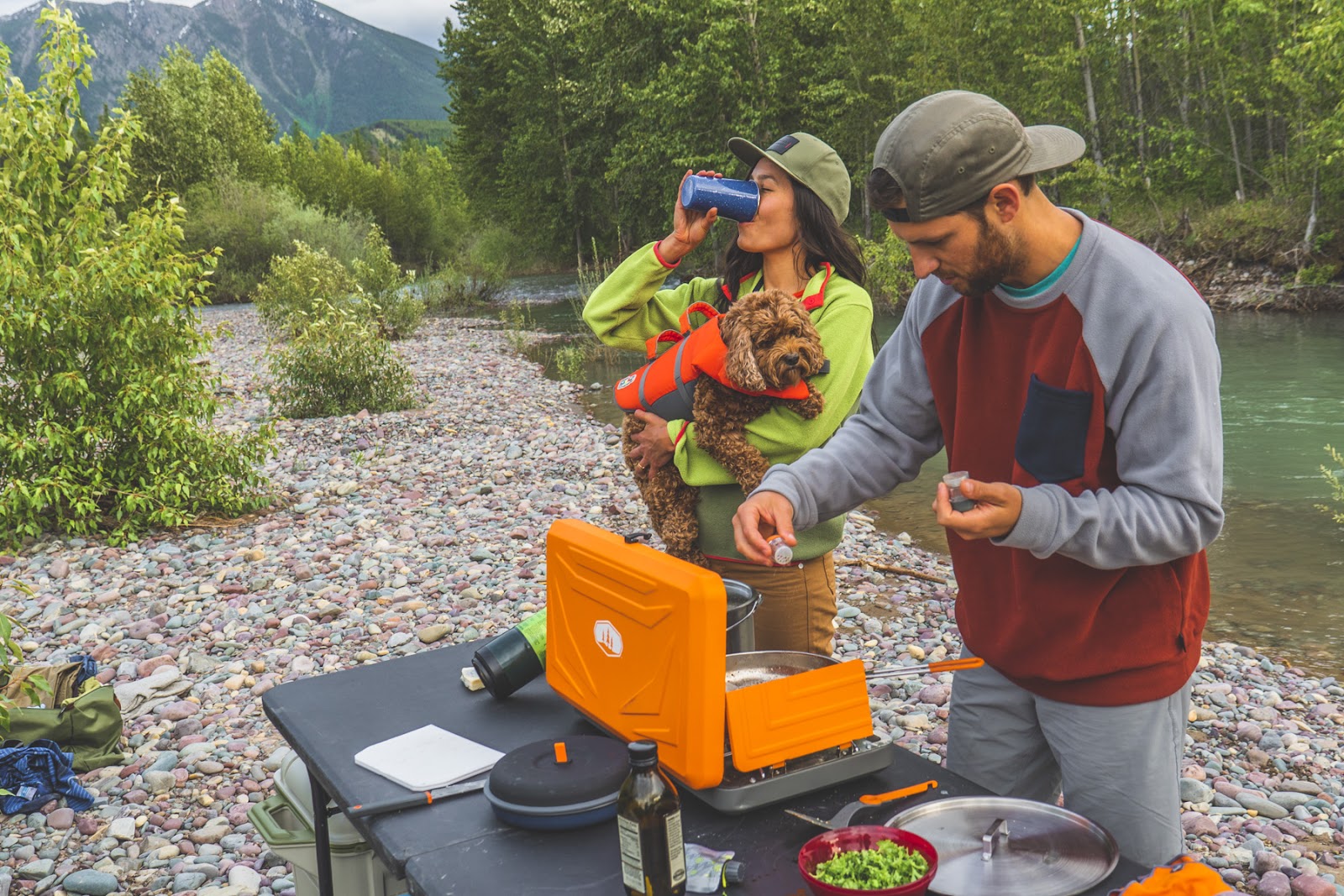
Good food can change the entire mood of a camping trip, even when meals are simple and cooked over a fire. I have noticed that spices play a bigger role outdoors than they do at home, where endless options are always within reach. At camp, a pinch of the right seasoning can turn basic ingredients into something memorable. Meals feel warmer, more satisfying, and far less repetitive when flavors are handled thoughtfully.
Packing spices for camping does not mean hauling half a kitchen into the wilderness. The goal is to bring a small, versatile selection that works across different meals and cooking styles. Best Spices to Bring on a Camping Trip are the ones that earn their place by adding depth, aroma, and comfort without taking up much space. These are the seasonings I rely on to make camp cooking feel intentional rather than improvised.
Salt as the Foundation
Salt is the most important seasoning I bring on any camping trip because it supports every other flavor. Without it, food tastes flat, no matter how fresh the ingredients are. A small container goes a long way, and it can be used from breakfast through dinner without hesitation. Salt also helps enhance natural flavors rather than masking them.
I usually pack a coarse salt because it is easier to control and works well for seasoning meats and vegetables over a fire. It dissolves gradually and gives me more feedback while cooking. Salt also has practical uses beyond flavor, including preserving food and cleaning cookware in a pinch. Its versatility alone makes it essential.
Black Pepper for Everyday Depth
Black pepper is a staple that adds warmth and subtle heat without overpowering a dish. I rely on it heavily because it works with almost anything I cook at camp. Eggs, soups, grilled vegetables, and meats all benefit from a few twists of pepper. It creates a familiar flavor profile that feels grounding outdoors.
I prefer freshly ground pepper, even while camping, because the aroma and bite are noticeably better. A small grinder does not take up much space and lasts longer than pre-ground pepper. Pepper also pairs well with nearly every other spice, making it easy to layer flavors without much thought. That simplicity is valuable when cooking in a campsite setting.
Garlic Powder for Reliable Flavor
Garlic powder earns its spot because it delivers consistent flavor without the mess or storage concerns of fresh garlic. I appreciate how evenly it distributes through food, especially when cooking over uneven heat. A little goes a long way, and it blends easily into marinades, rubs, and sauces. It helps create savory depth with minimal effort.
This spice works particularly well in camp meals that rely on one-pan or foil-packet cooking. Sprinkling garlic powder over vegetables or meat before sealing them in foil adds flavor throughout the cooking process. It also pairs naturally with salt, pepper, and herbs. That reliability makes it one of my most-used spices outdoors.
Onion Powder for Subtle Sweetness
Onion powder often gets overlooked, but I find it extremely useful while camping. It adds a gentle sweetness and savory note without requiring chopping or storage space. This spice enhances soups, stews, and breakfast dishes in a quiet but noticeable way. It fills in flavor gaps when fresh ingredients are limited.
I use onion powder most often in combination with garlic powder and salt. Together, they create a base that works across many cuisines. This blend helps meals feel complete even when the ingredient list is short. Onion powder proves that small additions can have a big impact.
Smoked Paprika for Campfire Character
Smoked paprika feels especially appropriate for outdoor cooking because it complements the natural smokiness of a campfire. I like how it adds color and depth without overwhelming a dish. This spice works well with meats, potatoes, and vegetables cooked over open heat. It brings a subtle richness that feels intentional.
A pinch of smoked paprika can make simple camp meals feel thoughtfully seasoned. I often add it to foil-wrapped potatoes or sprinkle it on grilled vegetables. It pairs well with garlic and salt, creating a balanced flavor profile. This spice helps bridge the gap between rustic cooking and satisfying flavor.
Chili Powder for Gentle Heat
Chili powder adds warmth and complexity without pushing food into overly spicy territory. I find it especially useful for camp meals that benefit from a bit of boldness. Beans, grilled meats, and one-pot meals all respond well to its layered flavor. It adds interest without requiring multiple spices.
I use chili powder sparingly, letting it support rather than dominate. Its blend of spices creates depth with minimal effort. This makes it ideal for camping, where efficiency matters. Chili powder earns its place by doing more than one job in a small container.
Cumin for Earthy Warmth
Cumin brings an earthy, slightly nutty flavor that works beautifully in outdoor cooking. I rely on it for meals that need warmth without heat. It pairs especially well with beans, rice, and grilled meats. This spice adds character that feels both comforting and robust.
A small amount of cumin can transform simple ingredients into something more satisfying. I often use it in campfire stews or foil packets with vegetables. Its strong aroma means a little goes a long way. That efficiency makes cumin a smart choice for limited spice kits.
Italian Seasoning for Versatility
Italian seasoning is one of my favorite blends to bring on a camping trip because it covers multiple herbs in one container. It typically includes oregano, basil, thyme, and rosemary, all of which work well with camp-style cooking. This blend simplifies seasoning without sacrificing flavor. It is especially useful for pasta dishes and grilled vegetables.
I like having a blend that works across different meals without much thought. Italian seasoning pairs well with garlic, salt, and olive oil. It adds a familiar, comforting taste that feels like home even while outdoors. This spice blend proves that convenience does not have to mean bland.
Cinnamon for Sweet and Savory Dishes
Cinnamon might seem like a dessert-only spice, but I use it more broadly while camping. It adds warmth to breakfast dishes like oatmeal and pancakes. It also works surprisingly well in savory meals when used lightly. That versatility makes it worth packing.
I appreciate how cinnamon adds depth without sweetness when paired with savory ingredients. A pinch in chili or stews can round out flavors subtly. It also enhances campfire desserts without needing multiple sweet spices. Cinnamon earns its place by working across the menu.
Red Pepper Flakes for Custom Heat
Red pepper flakes offer control over spice level, which is especially useful when cooking for a group. I like that everyone can adjust heat to their own preference. This spice adds sharpness and brightness rather than heavy heat. It works well sprinkled at the end of cooking.
I often keep red pepper flakes separate from other seasonings so they can be added individually. This helps accommodate different tastes without altering the entire dish. Red pepper flakes also store well and last a long time. Their flexibility makes them a reliable addition.
Dried Oregano for Simple Boldness
Dried oregano adds a bold, slightly bitter note that stands up well to campfire cooking. I find it especially effective in tomato-based dishes and grilled meats. This herb retains its flavor even when exposed to high heat. That durability makes it well suited for outdoor meals.
I use oregano when I want a dish to feel hearty and robust. It pairs naturally with garlic and pepper, creating a strong flavor base. A small amount can define the direction of a meal. Oregano proves that single herbs still have a place alongside blends.
Curry Powder for Variety
Curry powder brings a mix of spices that can completely change the character of a meal. I like having it on hand when I want something different from typical camp flavors. It works well with rice, vegetables, and simple proteins. This spice blend adds interest without complexity.
Using curry powder allows me to create variety without packing multiple individual spices. A small container offers many flavor notes at once. It also pairs well with coconut milk or canned beans often used in camping meals. This makes curry powder an efficient and exciting choice.
Storage Tips for Camp Spices
The way spices are packed matters just as much as which ones are chosen. I prefer small, airtight containers that prevent moisture from getting in. Labeling them clearly saves time and frustration. Organization makes cooking smoother, especially in low light.
I also group spices by how often they are used. Frequently used seasonings stay easily accessible, while specialty spices can be packed deeper. This system reduces clutter and keeps camp cooking enjoyable. A little planning goes a long way in maintaining flavor outdoors.
Making Camp Meals Feel Complete
Spices do more than add flavor, they create familiarity and comfort in unfamiliar settings. I have found that well-seasoned meals lift morale after long days of hiking or travel. They make simple ingredients feel intentional and satisfying. That emotional boost matters more than most people expect.
Best Spices to Bring on a Camping Trip are the ones that balance versatility with simplicity. A thoughtful selection allows meals to feel varied without excess gear. Cooking outdoors becomes less about limitations and more about creativity. With the right spices, camp food can be something everyone looks forward to.
