

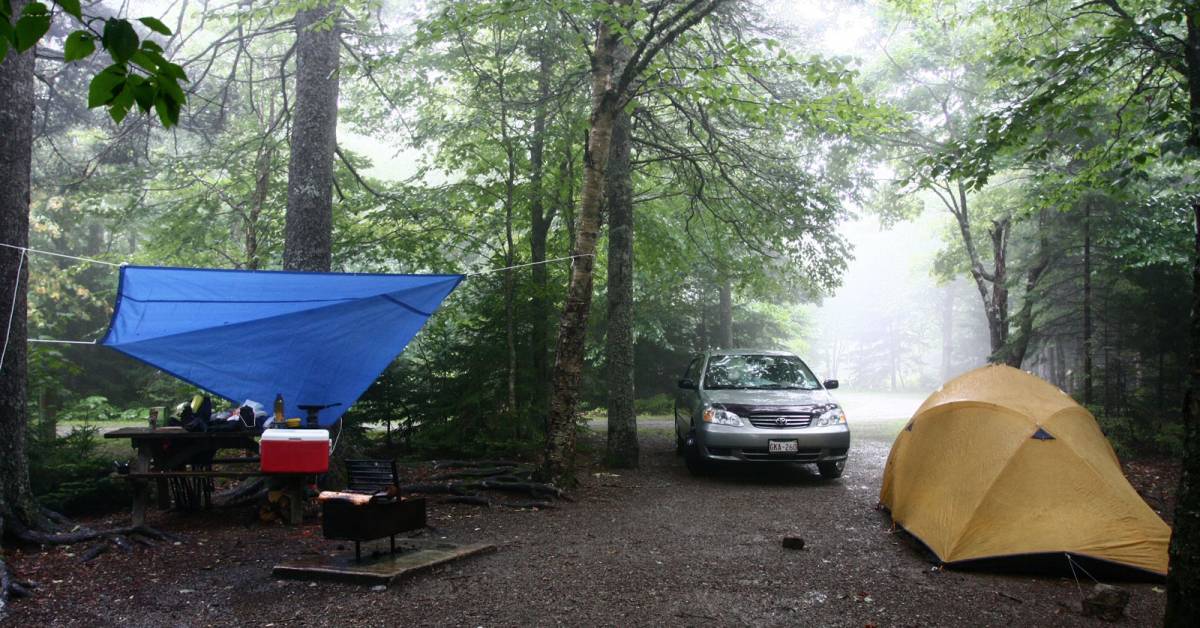
Camping feels most rewarding when the place I stay looks the same when I leave as it did when I arrived. Over time, I realized that leaving no trace is not about strict rules or perfection, but about awareness and respect. Every campsite tells a story, and I want mine to be invisible once I pack up. Practicing low-impact camping has changed how I move, cook, sleep, and even think outdoors.
Leaving no trace does not remove comfort or enjoyment from camping. It actually adds meaning to the experience because every action feels intentional. From where I set my tent to how I deal with waste, small decisions add up quickly. When those decisions are thoughtful, nature stays intact and future campers get the same experience I did.
Planning With Impact In Mind
Leaving no trace starts long before reaching camp. I plan trips with the environment in mind rather than convenience alone. Knowing the regulations, terrain, and seasonal conditions helps reduce unnecessary impact.
Preparation prevents careless choices. When I know what to expect, I avoid overpacking, bushwhacking, or improvising solutions that damage the area. Planning shapes behavior, and good planning protects the places I want to enjoy.
Using Established Campsites Whenever Possible
Established campsites exist for a reason. I use them whenever they are available because they concentrate impact in already disturbed areas. Setting up in these spots prevents damage to untouched ground.
When I arrive at an established site, I stay within its boundaries. Expanding outward tramples vegetation and widens the footprint. Respecting the existing space keeps the surrounding environment healthy and undisturbed.
Choosing Durable Surfaces For Camp Activities
Camp activities extend beyond sleeping. Cooking, relaxing, and organizing gear all affect the ground. I focus these activities on durable surfaces like bare soil, rock, sand, or established clearings.
Moving furniture or gear onto vegetation compresses soil and damages plant life. By staying on resilient surfaces, I minimize harm even during longer stays. This approach keeps campsites from spreading outward over time.
Tent Placement With Minimal Impact
Tent placement affects more than comfort. I look for flat, durable ground that drains well without clearing vegetation. Clearing plants or moving rocks creates lasting scars.
I avoid setting up too close to water sources. Distance protects shorelines from erosion and wildlife from disturbance. Thoughtful placement allows nature to recover quickly after I leave.
Managing Waste Properly
Waste management defines responsible camping. Everything I bring in comes back out with me, including food scraps and packaging. Even biodegradable waste does not belong on the ground.
For human waste, I follow established guidelines for the area. Proper burial or use of facilities prevents contamination and unpleasant encounters for others. Handling waste responsibly protects both people and ecosystems.
Dishwashing And Gray Water Disposal
Cleaning up after meals requires care. I carry water away from natural sources before washing dishes. Food particles strain out and get packed out rather than dumped.
Gray water gets dispersed over a wide area away from camp. Concentrated dumping creates odors and attracts animals. Small, thoughtful steps keep water sources clean and campsites pleasant.
Food Storage That Respects Wildlife
Food storage plays a major role in leaving no trace. I secure food properly to prevent wildlife from accessing it. Animals that associate camps with food often suffer long-term consequences.
I store food, trash, and scented items together in approved containers or hangs. Keeping wildlife wild protects them and preserves natural behavior. Responsible storage prevents problems before they start.
Fire Practices That Minimize Damage
Fires leave lasting marks if handled carelessly. I use existing fire rings whenever fires are allowed. Creating new fire pits scars the landscape unnecessarily.
I keep fires small and manageable. Burning only appropriate wood reduces residue and impact. When finished, I extinguish fires completely and leave the area clean. Fire should leave warmth, not evidence.
Gathering Wood Responsibly
Firewood collection requires restraint. I gather only dead and downed wood that breaks easily by hand. Standing trees and large logs serve important ecological roles and stay untouched.
I collect wood away from camp to avoid stripping the immediate area. Spreading collection prevents visible depletion. Responsible gathering keeps forests healthy and campsites natural.
Respecting Plant Life Around Camp
Plants define the character of a campsite. I avoid trampling vegetation whenever possible. Shortcuts and unnecessary wandering damage fragile growth.
I never cut branches or flowers for convenience or decoration. Plants recover slowly in many environments. Leaving them intact preserves the natural feel for everyone who follows.
Minimizing Noise And Visual Impact
Leaving no trace includes sound and sight. I keep noise levels low to respect wildlife and other campers. Natural sounds belong in natural places.
Bright lights and clutter disrupt the environment visually. I use lighting sparingly and organize camp neatly. A low-profile camp blends into surroundings rather than standing out.
Traveling On Established Trails
Trails exist to protect surrounding land. I stay on them even when conditions are muddy or inconvenient. Stepping off widens trails and damages nearby vegetation.
Shortcuts cause erosion and long-term damage. Following designated routes preserves trail integrity. Responsible travel protects both the path and the surrounding ecosystem.
Handling Trash With Care
Trash management extends beyond obvious waste. Small items like twist ties, food wrappers, and bits of packaging get accounted for carefully. I double-check campsites before leaving.
I carry a dedicated trash bag to keep waste contained. Leaving even small litter undermines the idea of leaving no trace. Careful handling ensures nothing gets left behind accidentally.
Respecting Wildlife From A Distance
Wildlife encounters require restraint. I observe animals from a distance without approaching or feeding them. Interference disrupts natural behavior and creates dependency.
I secure camp areas to reduce animal curiosity. Respectful distance keeps both campers and wildlife safe. Observing without interacting preserves the authenticity of the experience.
Managing Soap And Chemicals Carefully
Soaps and chemicals impact ecosystems even when labeled eco-friendly. I use them sparingly and far from water sources. Minimal use reduces contamination.
I avoid washing directly in streams or lakes. Protecting water quality matters for wildlife and downstream users. Conscious use keeps ecosystems balanced.
Packing Out Micro-Impacts
Micro-impacts often go unnoticed. Crumbs, spilled food, and tiny debris attract animals and alter environments. I pay attention to these details during cleanup.
Brushing dirt back into place and scattering disturbed soil helps areas recover. Small restoration efforts reduce visible impact. Attention to detail defines effective leave no trace practices.
Teaching Leave No Trace Through Action
Behavior influences others more than words. I model responsible camping for companions and newcomers. Quiet actions demonstrate respect without lectures.
Sharing habits naturally spreads awareness. When people see how simple practices work, they adopt them easily. Leading by example strengthens outdoor ethics.
Adjusting Habits Based On Environment
Different environments require different approaches. Desert, forest, alpine, and coastal areas each have unique vulnerabilities. I adapt practices to suit conditions rather than relying on rigid routines.
Flexibility ensures protection remains effective. What works in one place may cause harm in another. Awareness keeps leave no trace principles relevant everywhere.
Breaking Camp Without A Trace
Breaking camp deserves as much care as setup. I inspect the area thoroughly before leaving. Gear marks get brushed away and trash gets collected.
I aim to make the site look untouched. Walking away knowing the area will recover quickly brings satisfaction. A clean exit completes the camping experience responsibly.
Reflecting On Impact After Each Trip
After each trip, I reflect on what I did well and what could improve. Experience sharpens awareness of subtle impacts. Reflection strengthens future decisions.
Leaving no trace becomes easier with practice. Habits form naturally over time. Continuous improvement keeps outdoor spaces healthy and welcoming.
Final Thoughts On Leaving No Trace
How to leave no trace while camping comes down to respect, awareness, and consistency. Small actions matter when repeated across landscapes and seasons. Responsible camping protects the places that make outdoor experiences meaningful.
Leaving no trace is not about restriction. It is about gratitude and stewardship. When campsites remain wild and untouched, everyone benefits. Carrying that responsibility adds depth and purpose to every trip outdoors.
