

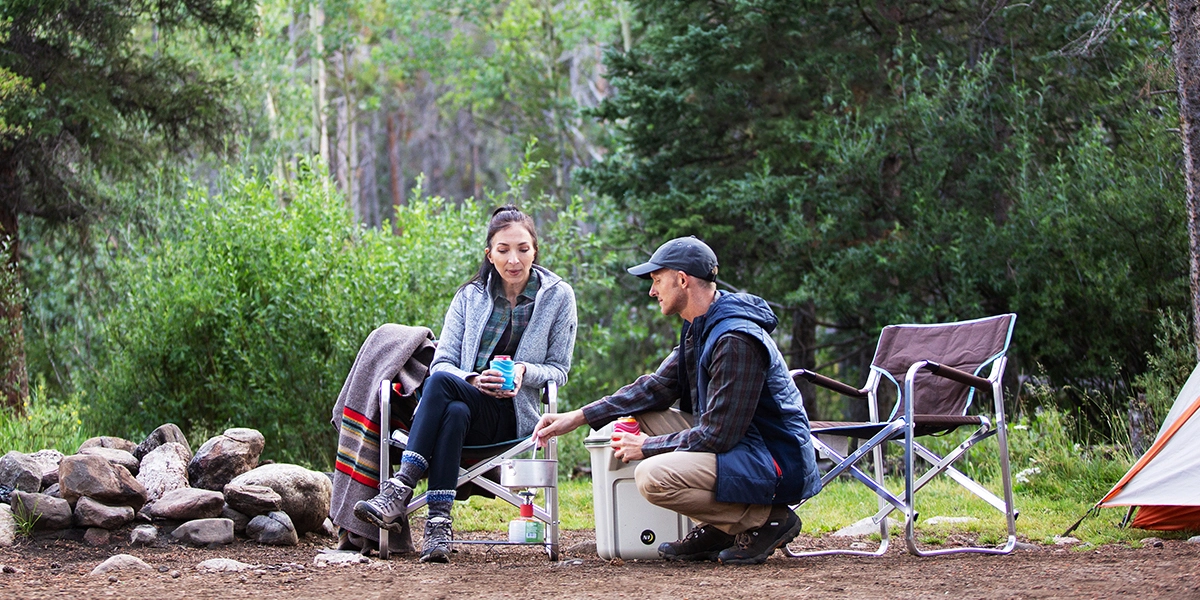
Cold nights arrive quietly, often after a pleasant evening that gives no warning of the temperature drop ahead. Staying warm after sunset shapes sleep quality, energy levels, and overall enjoyment of a camping trip. I approach nighttime warmth as a system rather than a single solution, knowing that small details add up fast once the sun disappears.
Experience has taught me that warmth starts long before crawling into a sleeping bag. Clothing choices, campsite setup, food timing, and evening habits all influence how the body holds heat. Paying attention to these elements turns a potentially miserable night into a comfortable and restorative one.
Dressing With Layers That Work Together
Clothing remains the first line of defense against nighttime cold. I rely on layers instead of bulky single items because layers trap warm air and allow adjustments as conditions change. A moisture-wicking base layer keeps sweat off the skin, which matters even in cold weather.
Insulating layers add warmth without restricting movement. Fleece or lightweight down works well because it holds heat efficiently. A wind-resistant outer layer blocks drafts that sneak in once temperatures fall, completing a system that adapts instead of fighting conditions.
Paying Attention to Fabric Choices
Fabric matters more than thickness alone. Cotton loses insulation when damp, so I avoid it at night. Synthetic materials and wool retain warmth even if moisture sneaks in.
Wool socks and base layers stay warm while breathing well. Synthetic options dry quickly and feel lighter against the skin. These materials support body temperature instead of draining it overnight.
Keeping Feet Warm and Dry
Cold feet make the entire body feel colder. I change into dedicated sleep socks that stay dry all evening. This simple habit prevents moisture from daytime activities from stealing warmth.
Loose-fitting socks improve circulation, which helps heat reach the toes. Tight footwear restricts blood flow and defeats insulation. Warm feet often signal the rest of the body to relax.
Protecting the Head and Neck
Heat escapes quickly through the head and neck. A beanie or insulated hat makes a noticeable difference once night settles in. Even lightweight coverage helps retain warmth without discomfort.
Neck gaiters or scarves seal gaps between clothing layers. Blocking drafts here prevents cold air from creeping downward. This small adjustment often improves overall comfort dramatically.
Eating the Right Foods Before Bed
Food fuels heat production, so I time dinner carefully. Warm, calorie-dense meals support the body’s natural warmth during digestion. Soups, stews, and complex carbohydrates work especially well.
A small snack before sleep maintains energy levels overnight. Nuts, cheese, or nut butter provide slow-burning calories. This steady fuel helps prevent early-morning chills.
Staying Hydrated Without Overdoing It
Hydration supports circulation, which affects warmth. I drink enough water throughout the evening to stay balanced. Dehydration can increase sensitivity to cold.
I avoid excessive fluids right before bed. Frequent nighttime trips out of the tent expose the body to cold air. Moderation keeps hydration helpful rather than disruptive.
Preparing the Sleeping Area Thoughtfully
The sleeping setup matters just as much as clothing. I choose a level spot with natural wind protection whenever possible. Shelter from gusts reduces heat loss throughout the night.
Ground insulation plays a critical role. Cold ground draws heat away quickly, so a quality sleeping pad becomes essential. Even the warmest sleeping bag struggles without proper insulation beneath it.
Selecting the Right Sleeping Bag Rating
Sleeping bag ratings guide expectations but require context. I choose a bag rated lower than the expected nighttime temperature. This buffer accounts for wind, humidity, and personal comfort preferences.
Bag shape also matters. Mummy-style bags trap heat more efficiently than rectangular ones. The snug fit reduces empty air space that the body must warm.
Using Liners and Extra Insulation
Sleeping bag liners add warmth without much bulk. They also keep the bag cleaner and more comfortable. A liner can boost warmth enough to make a noticeable difference on colder nights.
Extra clothing doubles as insulation inside the bag. A jacket placed over the feet or core adds targeted warmth. This flexibility allows fine-tuning without major adjustments.
Managing Moisture Before Sleep
Dryness equals warmth, so I address moisture before settling in. Damp clothes get changed immediately. Even small amounts of sweat can chill the body later.
I air out gear whenever conditions allow. Ventilation reduces condensation inside tents. Managing moisture keeps insulation effective through the night.
Ventilating the Tent Properly
Closing every vent traps moisture and cold. I allow controlled airflow to reduce condensation buildup. This balance keeps the interior drier and warmer overall.
Proper ventilation prevents frost from forming inside the tent. Less moisture means insulation performs better. Fresh air also improves sleep quality.
Using Hot Water Bottles Safely
Hot water bottles provide reliable warmth when used carefully. I fill a sturdy bottle with hot, not boiling, water. Placing it near the feet or core warms the sleeping bag quickly.
This technique offers hours of comfort. The gradual heat release stabilizes temperature through the night. Safety comes first, so leak-proof containers matter.
Building Heat Before Getting Into the Bag
Warming the body before sleep improves results. Light movement, such as walking or gentle stretches, raises body temperature. This warmth transfers into the sleeping bag.
I avoid sweating during this process. Excessive exertion creates moisture that backfires later. Controlled movement strikes the right balance.
Avoiding Cold Traps in the Campsite
Cold air settles in low areas, so campsite elevation matters. I avoid depressions where cold pools overnight. Slightly higher ground stays warmer and drier.
Tree cover and terrain shape temperature as well. Natural features block wind and reduce exposure. Thoughtful placement minimizes heat loss.
Managing Campfire Warmth Wisely
A campfire offers comfort but requires strategy. I enjoy the warmth earlier in the evening rather than relying on it late at night. Once the fire fades, the temperature drop feels sharper.
I warm clothing and boots near the fire carefully. Heat stored in gear carries into the tent. This preparation extends comfort beyond the fire’s life.
Sleeping Position and Body Awareness
Body position influences heat retention. Curling slightly reduces exposed surface area. This posture conserves warmth naturally.
I pay attention to pressure points. Compressed insulation loses effectiveness. Adjusting position maintains loft and warmth.
Sharing Warmth Responsibly
Camping with others allows shared warmth when appropriate. Tents with multiple occupants retain heat better. Body heat adds up in enclosed spaces.
Clear boundaries and comfort remain priorities. Shared warmth works best with communication and mutual respect. Balance keeps everyone comfortable.
Handling Sudden Temperature Drops
Weather changes quickly, so I prepare for surprises. Extra layers stay accessible inside the tent. This readiness prevents midnight scrambling.
I monitor conditions before sleep. Clear skies often mean colder nights. Awareness guides smarter adjustments early.
Morning Warmth and Energy Conservation
Morning cold tests endurance after a long night. I keep warm layers within reach for immediate use. This habit eases the transition out of the sleeping bag.
Warm drinks jumpstart circulation. Heating water early supports comfort and morale. Starting the day warm improves the entire experience.
Learning From Each Cold Night
Every cold night teaches something valuable. I note what worked and what failed. These lessons refine future preparations.
Patterns emerge over time. Certain combinations of gear and habits consistently succeed. Experience transforms uncertainty into confidence.
Final Thoughts on Staying Warm at Night
Staying warm while camping at night depends on preparation, awareness, and adaptability. I rely on layered clothing, thoughtful campsite setup, and smart evening habits. These elements work together to protect comfort and energy.
Cold nights no longer feel intimidating with the right approach. Each successful experience builds trust in the system. Warmth becomes predictable, even when temperatures drop unexpectedly.
