

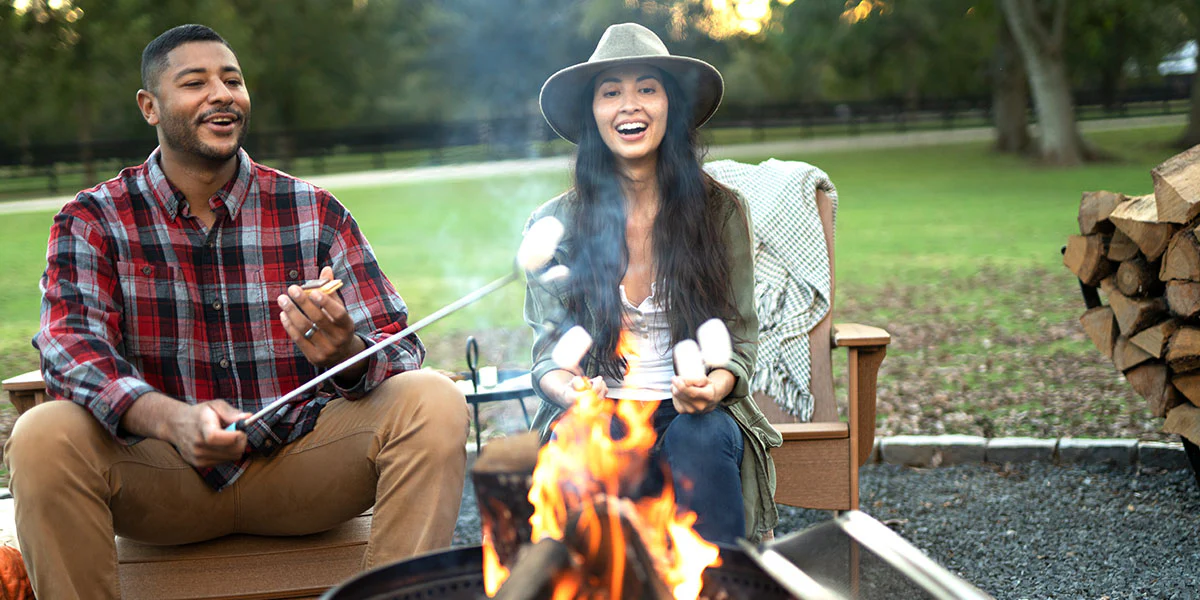
Camping has a reputation for being either extremely cheap or surprisingly expensive, depending on how it’s approached. I’ve learned over time that camping on a budget is not about cutting corners that affect comfort or safety. It’s about being intentional with spending and understanding what actually matters once you’re outdoors. Some of my best trips have also been the least expensive because the focus stayed on the experience rather than the gear.
Budget camping tips that actually work are rooted in practical habits, not gimmicks. Spending less doesn’t mean missing out; it often means simplifying. With a thoughtful approach, camping becomes accessible without sacrificing enjoyment. These strategies have helped me camp more often while keeping costs under control.
Start With Realistic Expectations
The first budget decision happens before any money is spent. Camping doesn’t need to look like social media photos filled with expensive gear and perfectly styled campsites. I remind myself that comfort comes from preparation, not price tags. Letting go of unrealistic expectations immediately reduces pressure to spend.
Focusing on basic needs makes budgeting easier. Shelter, food, warmth, and safety matter more than brand names. Once those needs are met, everything else becomes optional. This mindset shift alone can save a surprising amount of money.
Camping is about being outdoors, not recreating home. Accepting that reality makes budget decisions feel natural rather than restrictive. Simplicity often enhances the experience.
Use What You Already Own
One of the most effective budget camping tips that actually work is using what’s already available at home. Before buying anything, I check closets, garages, and storage bins. Items like blankets, kitchen utensils, and storage containers often work just fine at camp. Repurposing saves money immediately.
Household items can replace specialized camping gear in many cases. A sturdy pot from the kitchen can handle camp cooking. Old towels work for cleaning and drying. Creativity reduces spending without sacrificing function.
Starting with existing items also helps identify what’s truly missing. After a few trips, it becomes clear which items are worth upgrading. This approach prevents unnecessary purchases.
Borrow or Rent Gear Instead of Buying
Buying everything upfront can make camping feel expensive. Borrowing gear from friends or family has helped me get started without a big investment. Many people have tents, stoves, or sleeping bags sitting unused. Borrowing builds community and saves money.
Renting gear is another smart option, especially for beginners. Outdoor shops and parks often rent equipment at reasonable rates. Renting allows testing gear before committing to a purchase. This prevents wasting money on items that don’t fit your needs.
Borrowing and renting reduce clutter at home too. Owning less gear keeps costs and storage manageable. Flexibility supports budget-friendly camping.
Camp Close to Home
Travel costs can quietly eat up a camping budget. Fuel, tolls, and long drives add up quickly. Camping closer to home reduces transportation expenses and saves time. I’ve discovered great spots within an hour’s drive that feel just as refreshing.
Local campgrounds and public lands are often overlooked. Shorter trips make spontaneous camping possible. Less travel also means less planning and fewer expenses. Convenience supports consistency.
Staying close allows for quick adjustments. If weather changes or plans shift, it’s easier to adapt. Budget camping benefits from flexibility.
Choose Affordable Campsites
Campsite fees vary widely, and expensive sites aren’t always better. I look for public campgrounds, state parks, and national forest sites. These often offer affordable rates with basic amenities. Simplicity keeps costs low.
Dispersed camping on public land can be free in some areas. This option requires more preparation but saves money. Researching regulations ensures compliance and safety. Knowledge replaces unnecessary spending.
Booking early can also secure lower rates. Popular sites often raise prices as demand increases. Planning ahead helps lock in affordable options.
Camp During Off-Peak Seasons
Timing plays a big role in camping costs. Camping during shoulder seasons often means lower fees and fewer crowds. I’ve found that spring and fall trips offer great weather at reduced prices. Off-peak camping stretches the budget further.
Amenities may be limited during off-peak times, but that often enhances the experience. Quiet campgrounds feel more peaceful. Less competition makes booking easier.
Flexibility with dates allows taking advantage of deals. Camping doesn’t need to follow traditional schedules. Adjusting timing unlocks savings.
Plan Simple, Affordable Meals
Food can be a major expense if not planned carefully. I avoid buying special camping foods whenever possible. Regular groceries work just as well. Simple meals keep costs down and reduce waste.
Meal planning helps avoid impulse purchases. Knowing what will be cooked prevents overbuying. Prepping meals at home saves money and time. Familiar foods also make camping more comfortable.
Snacks add up quickly if bought individually. Buying in bulk and portioning saves money. Affordable food choices support budget-friendly trips.
Bring Reusable Items
Disposable items may seem cheap, but they add up over time. Reusable plates, cups, and utensils save money across multiple trips. I’ve built a small camping kit from items I already owned. Long-term savings come from repeat use.
Reusable containers help with food storage and leftovers. They reduce waste and keep food fresh. Investing in a few durable items pays off quickly.
Reusable gear also simplifies cleanup. Fewer disposables mean less trash to manage. Convenience and savings align naturally.
Avoid Impulse Gear Purchases
Outdoor stores make everything look essential. I’ve learned to resist impulse buys by waiting between trips. If I feel the need for an item multiple times, it may be worth buying. If not, it stays off the list.
Marketing often exaggerates necessity. Many items solve problems that rarely occur. Experience clarifies what’s truly useful. Patience protects the budget.
Writing down gear ideas instead of buying immediately helps. Reviewing the list later filters out unnecessary items. Thoughtful decisions save money.
Buy Secondhand When Possible
Secondhand gear offers excellent value for budget campers. Thrift stores, online marketplaces, and gear swaps are great resources. I’ve found quality items at a fraction of retail prices. Lightly used gear performs just as well.
Buying secondhand also supports sustainability. Extending the life of gear reduces waste. Budget-friendly choices can align with environmental values.
Inspecting items carefully ensures safety and functionality. Zippers, seams, and structural parts should be checked. Smart secondhand purchases stretch the budget.
Invest Slowly in Quality Essentials
Budget camping doesn’t mean avoiding quality altogether. I prioritize investing in items that affect comfort and safety. Sleeping bags, tents, and footwear deserve attention. Buying quality once often costs less than replacing cheap items repeatedly.
Spreading purchases over time prevents financial strain. Each upgrade improves the experience gradually. This approach keeps spending manageable.
Researching reviews and waiting for sales helps secure better deals. Patience pays off when investing strategically. Balance matters more than speed.
Share Costs With Others
Camping with friends or family reduces individual expenses. Shared gear, food, and transportation lower costs. I’ve enjoyed trips where everyone contributed something. Cooperation makes camping more affordable and social.
Carpooling saves fuel and reduces wear on vehicles. Group meals simplify cooking and shopping. Shared responsibility spreads costs evenly.
Group camping also enhances safety and enjoyment. Budget benefits come with added connection. Collaboration supports affordable adventures.
Choose Free or Low-Cost Activities
Camping entertainment doesn’t need to cost anything. Nature provides plenty to explore. Hiking, swimming, stargazing, and relaxing cost nothing. I focus on activities that require minimal gear.
Games, storytelling, and simple crafts add fun without expense. Creativity replaces spending. Kids and adults both enjoy low-cost activities.
Avoiding paid attractions keeps the focus on nature. The outdoors offers value beyond money. Free experiences often become the most memorable.
Limit Technology Expenses
Technology can increase costs through devices and power needs. I limit electronics to essentials. Phones serve multiple purposes like navigation and photos. Fewer devices reduce charging needs.
Portable power solutions can be expensive. Planning around battery life saves money. Using airplane mode and conserving power extends device use.
Disconnecting also enhances the camping experience. Budget savings come with mental benefits. Simplicity supports enjoyment.
Maintain Gear Properly
Proper care extends the life of camping gear. Cleaning and storing items correctly prevents damage. I make maintenance part of the routine after each trip. Prevention saves money long term.
Small repairs can prevent bigger expenses. Fixing tears or replacing cords keeps gear usable. Basic repair skills reduce replacement costs.
Well-maintained gear performs better and lasts longer. Budget camping benefits from responsibility. Care protects investment.
Learn From Each Trip
Experience refines budget strategies better than any list. After each trip, I review expenses and outcomes. Identifying what worked and what didn’t guides future planning. Reflection improves efficiency.
Mistakes become lessons rather than losses. Overspending once often prevents repeating it. Adjustments lead to better budgeting.
Camping budgets improve with practice. Each trip becomes smoother and more affordable. Growth comes from attention and patience.
Avoid Overplanning and Overbuying
Overplanning often leads to unnecessary purchases. I focus on essentials rather than hypothetical scenarios. Simpler plans require fewer items. Trusting adaptability reduces spending.
Nature is unpredictable, but flexibility handles most situations. Over-preparation increases costs without guaranteed benefits. Balance matters.
Letting go of perfection saves money and stress. Camping thrives on adaptability. Budget camping embraces simplicity.
Final Thoughts on Budget Camping
Budget camping tips that actually work focus on intention rather than deprivation. Spending less doesn’t reduce enjoyment when choices are thoughtful. Using existing resources, planning carefully, and learning from experience create affordable adventures. Camping becomes more accessible and sustainable.
Camping on a budget encourages creativity and connection. Less focus on gear allows more focus on the outdoors. Over time, these habits make camping a regular part of life rather than a rare expense. With the right approach, budget camping feels rewarding and freeing.
