

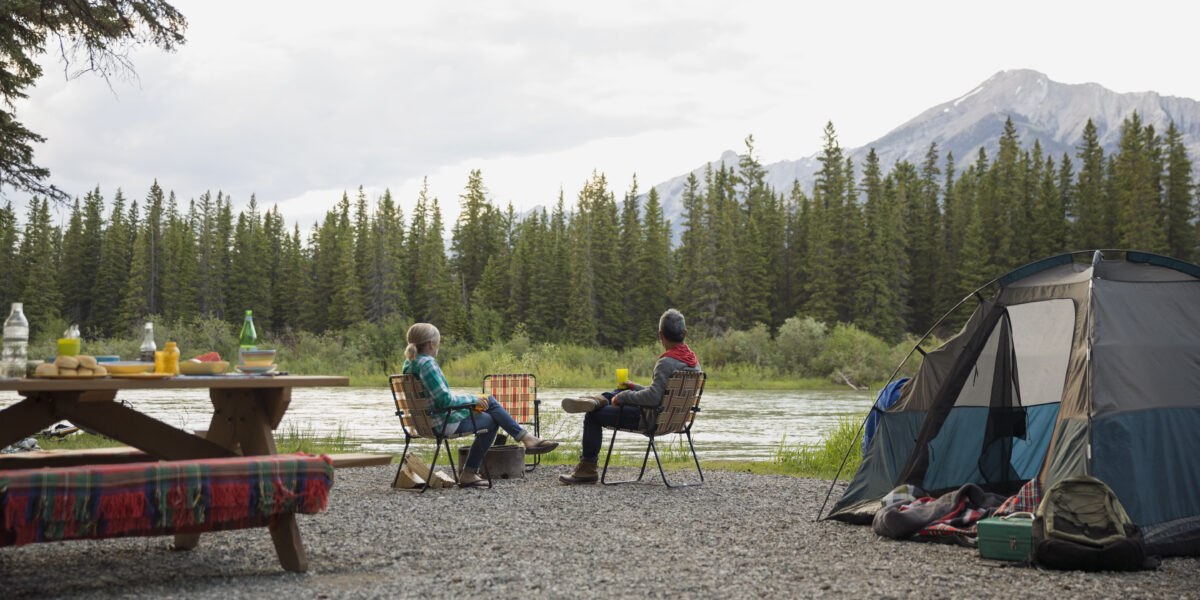
Family camping trips carry a special kind of energy that feels different from solo outings or trips with friends. Sharing meals around a picnic table, helping kids pitch a tent, and ending the day with stories by the fire creates memories that stick for years. I have found that the campground itself often determines whether those memories are joyful or stressful. The right campground supports families with space, safety, and activities that keep everyone engaged.
Family-friendly campgrounds balance comfort with adventure. They make it easier to focus on togetherness instead of logistics or constant problem-solving. In this article, I focus on campgrounds that welcome families with practical amenities, approachable layouts, and surroundings that invite exploration without overwhelming younger campers. These are places where parents can relax a little and kids can feel free to discover the outdoors.
Yosemite Valley Campgrounds
Yosemite Valley offers several campgrounds that work exceptionally well for family camping trips. The setting alone captures everyone’s attention, with towering granite cliffs, waterfalls, and open meadows visible right from many campsites. I appreciate how close the campgrounds are to major attractions, which reduces long drives and keeps days flexible. Families can wake up, have breakfast, and be on an easy walk or shuttle ride to iconic sights within minutes.
Campgrounds in the valley are designed with families in mind. Restrooms are clean and centrally located, campsites are clearly defined, and ranger presence adds a sense of security. Kids benefit from ranger-led programs that feel educational without being dull. Parents benefit from knowing help and information are always nearby.
Trails around the valley range from paved paths to gentle dirt routes. This variety allows families to adapt plans based on energy levels and weather. Even short walks feel rewarding here, which keeps younger campers interested. Yosemite Valley campgrounds turn family camping into an experience that feels grand yet manageable.
Great Smoky Mountains Campgrounds
Campgrounds in Great Smoky Mountains National Park feel welcoming and relaxed, which suits families especially well. The forests provide shade, streams create natural play areas, and the overall atmosphere feels calm rather than intense. I have always felt that this park encourages slower days, which aligns perfectly with family travel. Campgrounds here feel like communities rather than isolated sites.
Many campgrounds are located near creeks, which quickly become gathering spots for kids. Throwing stones, spotting small fish, and cooling off on warm days keeps children entertained without elaborate planning. Campsites are generally spacious, giving families room to spread out gear and play simple games. That extra space reduces tension and keeps everyone more comfortable.
The park offers a wide range of easy hikes that start close to campgrounds. Short loops and nature trails introduce kids to hiking without long distances or steep climbs. Wildlife sightings add excitement while remaining safe and well-managed. These campgrounds help families ease into outdoor living at a comfortable pace.
Acadia National Park Campgrounds
Acadia National Park provides a refreshing mix of ocean, forest, and mountain scenery that appeals to all ages. Campgrounds here feel organized and easy to navigate, which makes arrivals and departures smoother for families. I value how close campgrounds are to both natural attractions and nearby towns. This balance gives families flexibility without losing the feeling of being immersed in nature.
Campgrounds in Acadia offer a quieter experience compared to some larger parks. This calm environment works well for children who may be sensitive to noise or crowds. Biking paths, carriage roads, and gentle hiking trails provide multiple ways to explore together. Families can mix active days with relaxed afternoons by the coast.
The coastal environment adds variety to the camping routine. Tide pools, rocky beaches, and ocean views create endless curiosity for kids. Parents benefit from predictable weather patterns during peak season. Acadia campgrounds encourage exploration while maintaining a sense of order and safety.
Yellowstone National Park Campgrounds
Yellowstone campgrounds introduce families to dramatic natural features while still offering structure and support. Geysers, hot springs, and wildlife create excitement that keeps kids engaged throughout the trip. I find that staying within the park reduces travel time and allows families to experience these features at quieter times of day. Campgrounds here feel purposeful and well-managed.
Facilities at major campgrounds include restrooms, picnic tables, and clear food storage systems. These systems teach kids responsibility while keeping wildlife encounters safe. Ranger programs designed for younger audiences explain geology and animals in ways that feel like storytelling rather than lectures. This educational element enriches the camping experience.
Trails near campgrounds are often short and interpretive, which suits families well. Boardwalks around geothermal areas keep exploration safe and accessible. Camping in Yellowstone turns learning into an adventure shared by the entire family. The campground becomes a base for discovery rather than just a place to sleep.
Shenandoah National Park Campgrounds
Shenandoah National Park offers campgrounds that feel peaceful and approachable for families. The park’s layout along Skyline Drive simplifies navigation and keeps attractions within easy reach. I appreciate how this setup allows families to adjust plans without stress. Campgrounds here feel connected rather than remote.
Campsites are well-spaced, providing room for kids to play while adults prepare meals. Facilities are reliable and easy to find, which reduces uncertainty for newer campers. Trails nearby often lead to overlooks or waterfalls, offering rewarding destinations without long hikes. These features keep everyone motivated.
Seasonal changes add to the charm of Shenandoah. Spring flowers, summer shade, and fall colors create a dynamic environment that keeps kids curious. The slower pace of the park encourages shared experiences rather than rushed itineraries. These campgrounds support family bonding through simplicity and comfort.
Rocky Mountain National Park Campgrounds
Campgrounds in Rocky Mountain National Park offer families a chance to experience alpine environments in a controlled way. The scenery feels dramatic, but campground organization keeps things manageable. I have found that clear rules and posted information help families plan days confidently. This clarity reduces stress and improves overall enjoyment.
Many campgrounds sit near meadows and gentle trails, making it easy to step into nature without committing to long excursions. Wildlife sightings add excitement, but safety guidance is consistent and easy to follow. Kids learn respect for nature while feeling protected. That balance matters when camping as a family.
Evenings at these campgrounds feel calm and restorative. Cooler temperatures encourage early nights and quiet reflection. Families often gather around shared stories rather than screens. Rocky Mountain campgrounds offer a setting that feels adventurous yet reassuring.
Zion National Park Campgrounds
Zion National Park provides campgrounds that work well for families seeking memorable landscapes without complicated logistics. Campgrounds near the main canyon offer access to shuttle systems, which simplifies transportation. I find this especially helpful when traveling with children who may tire quickly. Removing driving stress improves the entire trip.
Campgrounds here feature level sites and clear layouts, which make setup easier. Facilities are close enough to be convenient without feeling intrusive. Nearby trails include riverside walks and short canyon routes that suit a range of ages. Families can tailor days based on energy levels.
The desert environment introduces kids to a different type of nature. Learning about heat, water use, and terrain becomes part of the experience. Zion campgrounds support this learning with strong educational messaging. The result is a trip that feels both fun and instructive.
Olympic National Park Campgrounds
Olympic National Park stands out for its diversity, which makes it ideal for families with varied interests. Campgrounds range from coastal sites to forested areas, allowing families to experience multiple environments in one trip. I value how consistent campground standards remain across the park. This consistency helps families feel oriented no matter where they stay.
Forest campgrounds offer shade and natural play areas. Coastal campgrounds introduce beach exploration, tide watching, and open space for movement. Trails near campgrounds often feel exploratory rather than demanding. Kids can wander, observe, and ask questions without pressure.
Weather changes encourage flexibility and creativity. Families learn to adjust plans and appreciate different moods of nature. Olympic campgrounds support curiosity and resilience. These qualities often translate into stronger family connections.
Glacier National Park Campgrounds
Glacier National Park offers family-friendly campgrounds set against striking mountain scenery. The environment feels wild, but campground design and ranger presence provide reassurance. I have always appreciated how clearly information is communicated here. Families know what to expect and how to prepare.
Campgrounds near popular areas allow short outings that still feel adventurous. Lakes, short trails, and scenic drives create full days without exhaustion. Wildlife education programs help kids understand safety and conservation. These lessons feel meaningful when experienced together.
Evenings at Glacier campgrounds often feel quiet and reflective. The sense of shared accomplishment after a day of exploration strengthens family bonds. These campgrounds show that even rugged landscapes can feel welcoming with the right support.
State Park Campgrounds for Families
State park campgrounds often provide excellent options for family camping trips. They tend to offer more amenities, including playgrounds, swimming areas, and ranger-led activities. I find that state parks strike a balance between recreation and relaxation. Families benefit from predictable layouts and accessible facilities.
Many state park campgrounds sit near lakes or rivers, which naturally draw kids outside. Swimming, fishing, and boating become central parts of the trip. Campsites are often larger, allowing space for games and group meals. This extra room reduces tension and encourages interaction.
State parks also tend to be closer to towns, which helps with supplies and emergencies. This proximity provides peace of mind without sacrificing the outdoor experience. Family camping here feels supportive and flexible.
What Makes a Campground Family-Friendly
Certain features consistently improve family camping experiences. Clean restrooms, level campsites, and nearby activities make daily routines easier. I have noticed that campgrounds with clear rules and visible staff reduce uncertainty for parents. Kids benefit from environments where boundaries are obvious and respected.
Opportunities for exploration near campgrounds matter as well. Short trails, water access, and open spaces keep children engaged. Families thrive when they can adapt plans without long travel times. Campgrounds that support this flexibility tend to leave lasting positive impressions.
Community also plays a role. Campgrounds where families gather naturally foster shared experiences. Watching kids make new friends while adults exchange tips enhances the trip. These interactions often become highlights of family camping.
Building Lasting Family Memories Outdoors
Family camping trips offer more than just time away from home. They create shared challenges and shared triumphs. I have seen how even small tasks like cooking together or setting up a tent strengthen connections. The campground serves as the stage where these moments unfold.
Choosing the right campground sets the tone for the entire trip. Supportive environments allow families to focus on each other rather than constant problem-solving. Over time, confidence grows and routines develop. What begins as a cautious experiment often becomes a cherished tradition.
The best campgrounds for family camping trips provide safety, flexibility, and inspiration. They welcome families as they are and encourage growth through experience. Each trip adds another layer to the family story, written under open skies and shared laughter.
