

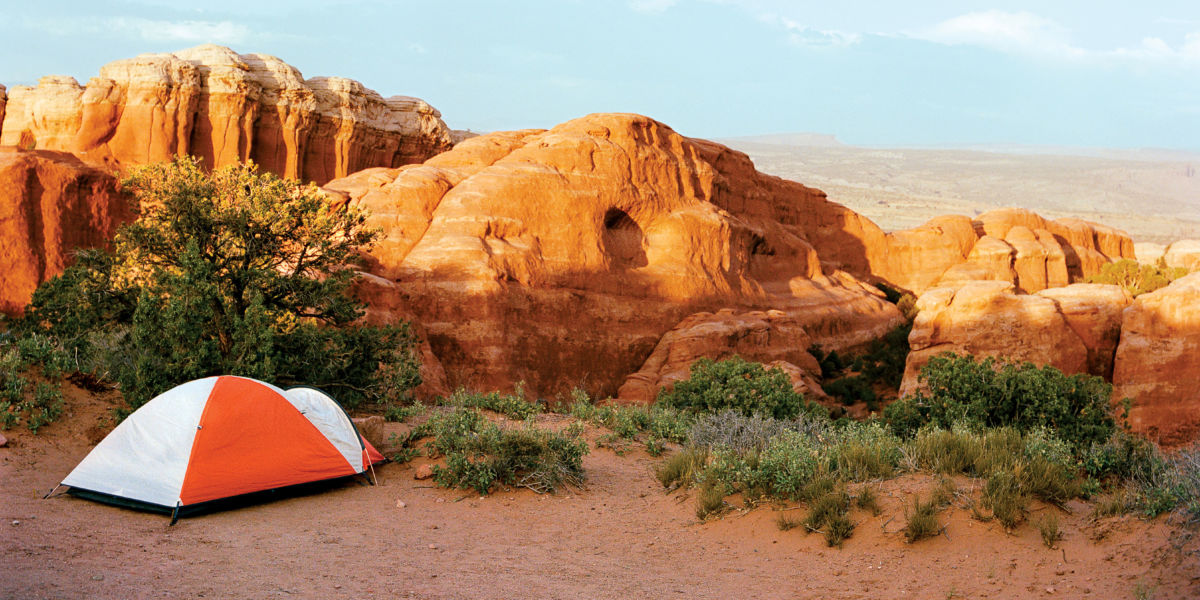
Camping in a national park delivers an experience that feels both grounding and exciting, especially for those setting out for the very first time. I remember standing at the edge of my campsite, listening to the wind in the trees and realizing how different park camping feels compared to private campgrounds or backyards. National parks offer structure, safety, and scenery all at once, which makes them ideal places to gain confidence outdoors. This guide focuses on parks that balance beauty with accessibility, making the experience rewarding rather than overwhelming.
First-time camping should feel inviting, not intimidating. The parks covered here offer clear signage, well-maintained campgrounds, helpful rangers, and predictable conditions. I have focused on places where mistakes are forgiven, amenities are available, and the learning curve feels manageable. Each park provides a chance to enjoy nature while building skills that will carry over into future camping adventures.
Great Smoky Mountains National Park
Great Smoky Mountains National Park stands out as one of the most approachable parks for new campers. The landscape feels gentle rather than harsh, with rolling hills, dense forests, and streams that create a calming environment. Campgrounds here are well-developed, with level tent pads, restrooms, and clear rules that remove much of the guesswork. I found the atmosphere welcoming, especially for those who may feel nervous about their first night outdoors.
The weather in the Smokies is generally forgiving, particularly in late spring and early fall. Extreme heat is rare, and while rain can happen, it usually arrives without the violent storms seen in other regions. Rangers are visible and approachable, which adds an extra layer of comfort. Trails near campgrounds are clearly marked and range from flat walks to moderate hikes, making it easy to explore without pushing limits too far.
Wildlife viewing here feels exciting without being alarming. Deer, birds, and small mammals are common sights, and black bears are managed carefully with strict food storage rules. Learning to store food properly becomes a practical lesson rather than a frightening challenge. This park teaches respect for nature while still feeling like a safe classroom for beginners.
Yosemite National Park
Yosemite National Park often appears on lists of advanced outdoor destinations, but it also offers excellent options for beginners. The valley floor provides campgrounds that feel accessible, surrounded by iconic scenery that instantly rewards the effort of setting up camp. I remember how motivating it felt to wake up with granite cliffs and waterfalls in view, even after a restless first night. The infrastructure here supports newcomers more than many people expect.
Campgrounds in Yosemite Valley are close to roads, visitor centers, and shuttle stops. This proximity reduces the pressure of navigating unfamiliar terrain or driving long distances on narrow roads. Restrooms, potable water, and ranger programs are readily available, which helps first-time campers feel supported. Educational talks in the evenings offer practical tips without making the experience feel like a class.
Yosemite also introduces campers to mountain environments in a controlled way. Elevation changes are present but manageable, and trails range from paved paths to gentle dirt routes. The park’s clear regulations and strong ranger presence help newcomers understand how to coexist with wildlife and weather. By the end of a stay here, camping feels less like a risk and more like a rhythm.
Acadia National Park
Acadia National Park delivers a coastal camping experience that feels both fresh and approachable. The combination of ocean views, forested trails, and rocky shorelines creates variety without confusion. I appreciated how compact the park feels, which makes navigation straightforward even for those unfamiliar with national parks. Campgrounds are well-marked and located close to main attractions, reducing the need for constant planning.
The climate in Acadia is mild during the main camping season, with cool nights and comfortable days. This balance helps beginners focus on enjoying the experience instead of managing extreme temperatures. Campgrounds provide basic amenities, and nearby towns offer supplies without disrupting the sense of being immersed in nature. That balance between access and isolation makes Acadia especially forgiving.
Hiking trails range from flat carriage roads to slightly steeper climbs, allowing campers to choose their comfort level. The ocean adds an element of excitement while remaining predictable in most conditions. Watching the sunrise over the Atlantic from a campsite reinforces why camping is worth the effort. Acadia shows first-time campers how diverse and rewarding national park camping can be.
Shenandoah National Park
Shenandoah National Park offers an ideal introduction to mountain camping without the intensity of higher elevations. The park’s layout along Skyline Drive simplifies access to campgrounds and viewpoints. I found it reassuring to know that a scenic overlook or ranger station was never far away. This sense of connection makes Shenandoah feel like a gentle entry point into wilderness camping.
Campgrounds here are spaced out but easy to find, with clear signage and consistent layouts. Facilities include restrooms, picnic tables, and fire rings, which help beginners practice basic camping routines. The park’s trails often start near campgrounds, making spontaneous hikes simple and low-pressure. Wildlife encounters tend to be calm and predictable, adding interest without anxiety.
The seasonal rhythm of Shenandoah also benefits newcomers. Spring brings wildflowers, summer offers shade, and fall delivers vibrant foliage. Weather changes happen gradually, giving campers time to adapt. Spending a few nights here builds confidence in setting up camp, managing meals, and sleeping outdoors without feeling rushed or exposed.
Rocky Mountain National Park
Rocky Mountain National Park introduces higher elevations in a way that still suits beginners. Campgrounds are well-organized and located near ranger stations, which helps ease concerns about altitude and weather. I noticed how clearly rules and safety guidelines are communicated, making it easier to plan each day. The scenery feels dramatic, yet the camping experience remains structured.
The park encourages gradual acclimation, which is ideal for first-time campers. Short walks and easy trails allow visitors to adjust to thinner air without overexertion. Campgrounds provide essential amenities, and ranger programs focus on safety, wildlife awareness, and weather readiness. This educational approach supports learning without overwhelming.
Weather in the Rockies can change quickly, but forecasts are reliable and posted frequently. This transparency helps beginners plan meals, hikes, and rest times with confidence. Experiencing mountain camping here offers a taste of adventure while maintaining a safety net. The park teaches respect for nature’s power while showing that preparation makes a real difference.
Grand Canyon National Park
Camping at the Grand Canyon feels like stepping into a postcard, yet it remains surprisingly approachable for beginners. Developed campgrounds on the South Rim provide a stable base with easy access to viewpoints and services. I found that the sense of scale actually encouraged mindfulness and caution, which is helpful for those new to outdoor travel. Clear boundaries and signage guide campers naturally.
Facilities at the main campgrounds include restrooms, water access, and nearby stores. This support allows first-time campers to focus on basics rather than logistics. Short walks along the rim deliver breathtaking views without demanding technical skills or endurance. The environment feels awe-inspiring but not hostile.
The desert climate requires awareness, but the park does an excellent job of educating visitors. Informational signs and ranger talks emphasize hydration and pacing. Experiencing such a vast landscape from a secure campground builds appreciation without unnecessary risk. This park shows beginners that preparation turns intimidating places into memorable experiences.
Olympic National Park
Olympic National Park offers variety that helps first-time campers discover what environments they enjoy most. Forests, beaches, and mountains coexist within a single park, allowing exploration without long travel times. I valued the flexibility this provided, especially when weather shifted unexpectedly. Campgrounds across the park maintain consistent standards, which reduces uncertainty.
Coastal campgrounds introduce beach camping with clear rules and established sites. Inland areas provide shaded forest settings with reliable amenities. Trails near campgrounds range from flat walks to moderate hikes, letting campers ease into physical activity. Rangers actively engage with visitors, offering guidance that feels supportive rather than restrictive.
The park’s diversity helps beginners learn adaptability. Rain is common, but well-maintained shelters and clear information make it manageable. Experiencing different ecosystems in one trip builds confidence and curiosity. Olympic National Park encourages experimentation while maintaining a sense of safety and organization.
Zion National Park
Zion National Park combines striking scenery with a surprisingly approachable camping environment. Campgrounds near the main canyon provide easy access to shuttle routes and visitor services. I found the layout intuitive, which reduced stress during arrival and setup. The red rock landscape feels dramatic but navigable.
Trails around Zion range from riverside walks to more challenging routes, allowing beginners to select experiences carefully. Campgrounds offer essential amenities and clear guidelines for food storage and quiet hours. The park’s shuttle system simplifies transportation, eliminating the need to drive narrow canyon roads. This structure supports newcomers who may feel uneasy about logistics.
The desert climate requires planning, but the park emphasizes education and preparedness. Water refill stations and posted warnings help campers make informed decisions. Camping here teaches awareness and respect for heat and terrain while still delivering unforgettable views. Zion balances excitement with responsibility in a way that suits first-time campers.
Glacier National Park
Glacier National Park introduces rugged landscapes in a controlled and organized setting. Campgrounds near popular areas offer maintained sites and regular ranger presence. I appreciated how information about weather, wildlife, and trail conditions was always accessible. This transparency helps beginners feel informed rather than exposed.
The park’s scenery feels wild, but camping areas are designed with safety in mind. Bear awareness programs and food storage requirements are clearly explained and enforced. Learning these practices becomes part of the experience rather than a source of fear. Trails near campgrounds allow for short explorations without committing to long backcountry trips.
Weather can be unpredictable, but preparation resources are thorough. Rangers encourage flexible planning, which helps first-time campers adjust expectations. Glacier offers a glimpse of raw nature while still providing the guidance needed to enjoy it responsibly. This balance makes it a powerful learning environment.
Making the First Camping Experience Count
Choosing the right park shapes how first-time campers perceive the entire activity. Parks with clear infrastructure, supportive staff, and accessible trails create positive early memories. I have seen how a well-chosen destination can turn nervous anticipation into genuine enthusiasm. Each of the parks listed here offers a supportive environment where mistakes become lessons rather than disasters.
Preparation still matters, even in beginner-friendly parks. Learning basic skills like setting up a tent, managing food, and reading weather forecasts builds confidence. National parks reinforce these skills through signage, ranger programs, and thoughtful design. Over time, what once felt complicated becomes second nature.
Camping for the first time should feel like an invitation, not a test. These national parks provide that invitation by blending beauty with practicality. Spending nights under the stars in these places builds a foundation for future adventures. The experience becomes less about survival and more about connection, curiosity, and growth.
