

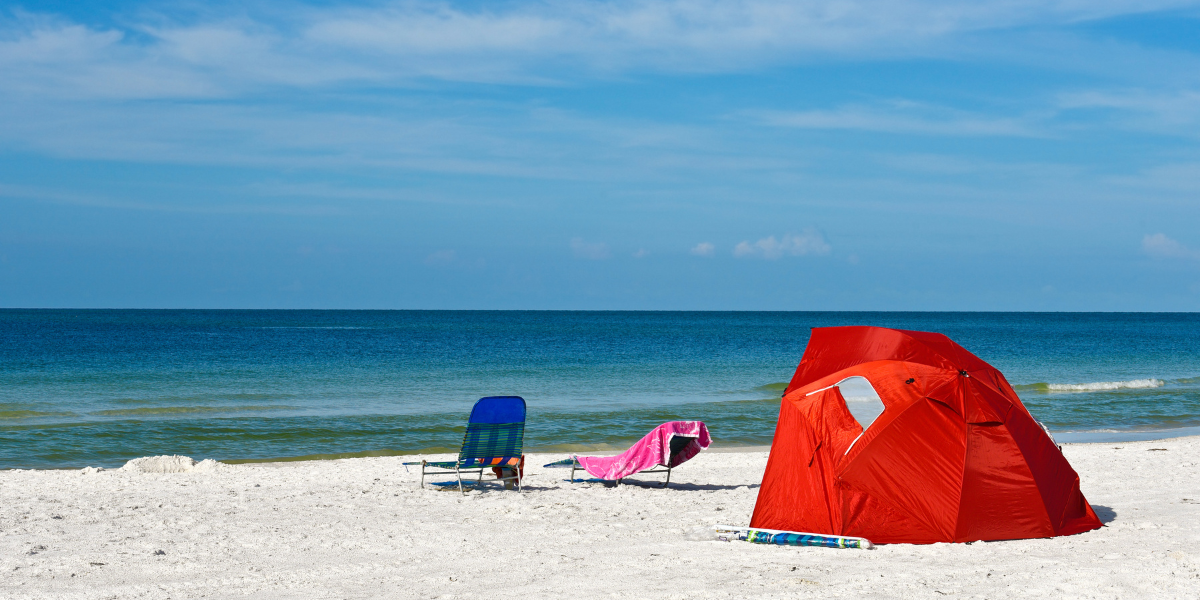
Beach camping offers a different rhythm from forest or mountain trips. Waking up to the sound of waves, feeling sand underfoot before coffee, and watching the sky change colors over open water creates a sense of freedom that stays with me long after the trip ends. Beach campsites tend to slow everyone down in the best way possible. The ocean sets the pace, and daily routines naturally become simpler and more intentional.
Camping by the sea also brings its own challenges, which is why location matters so much. The best beach camping spots in the US balance access, safety, scenery, and practicality. I focus on places where camping feels rewarding rather than frustrating, with reliable sites, clear rules, and environments that welcome campers instead of testing them. These destinations highlight how diverse beach camping can be across the country.
Assateague Island National Seashore
Assateague Island National Seashore delivers one of the most memorable beach camping experiences on the East Coast. The barrier island stretches between Maryland and Virginia, offering miles of undeveloped shoreline and a strong sense of isolation. I find the open beaches here especially calming, with wide horizons and minimal distractions. Camping feels raw yet organized, which makes the experience deeply satisfying.
Campsites are located close to the ocean, and the sound of waves becomes constant background music. Facilities are basic but thoughtfully placed, encouraging campers to prepare while still feeling supported. The famous wild horses roam freely, adding a unique sense of wonder without feeling intrusive. Observing them from a respectful distance becomes part of daily life on the island.
Weather conditions can change quickly, but clear guidance helps campers stay prepared. Tides, wind, and sand all become part of the experience rather than obstacles. Assateague rewards those who appreciate simplicity and self-reliance. Beach camping here feels immersive and honest.
Cape Lookout National Seashore
Cape Lookout National Seashore offers a remote beach camping experience that feels refreshingly untouched. Accessible only by ferry, the island immediately creates distance from daily routines. I appreciate how that separation encourages full presence and attention. Once on the island, the focus shifts entirely to wind, water, and sky.
Camping takes place directly on the beach, with wide stretches of sand and minimal development. This openness allows campers to choose spots that feel private and expansive. Sunrises and sunsets here feel dramatic, with uninterrupted views in every direction. The lighthouse stands as a quiet landmark rather than a tourist hub.
Preparation is essential, but the reward is a deep sense of solitude. Nights are quiet except for waves and wind. Days pass slowly, shaped by tides and light. Cape Lookout feels ideal for campers seeking space, reflection, and a strong connection to coastal environments.
Padre Island National Seashore
Padre Island National Seashore stretches along the Texas coast and offers one of the longest undeveloped barrier islands in the world. The scale of the place stands out immediately. I enjoy how endless the beach feels, with room to spread out and settle into a personal rhythm. Camping here feels expansive rather than confined.
Beach driving allows access to remote camping areas, creating flexibility in site selection. Campers can choose spots closer to facilities or venture farther down the island for more isolation. The Gulf provides warm water and consistent breezes, which shape daily routines. Fishing, swimming, and walking become natural parts of each day.
Wildlife sightings add depth to the experience. Sea turtles, shorebirds, and dolphins frequently appear along the shoreline. Clear guidelines help campers coexist responsibly with these species. Padre Island offers beach camping that feels adventurous without being overwhelming.
Olympic National Park Coastal Campgrounds
Olympic National Park includes several coastal campgrounds that showcase the rugged beauty of the Pacific Northwest. The beaches here feel dramatic, with sea stacks, driftwood, and mist shaping the landscape. I find the contrast between forest and ocean especially striking. Camping along this coast feels like stepping into a different world.
Campsites are often set back from the water, protected by vegetation and natural features. This design helps manage weather while preserving the wild character of the beaches. Tides play a major role in daily planning, encouraging awareness and adaptability. Low tide reveals tide pools and hidden stretches of sand.
Evenings often bring cool air and changing light, which adds to the atmosphere. Campfires feel particularly grounding here, framed by dark skies and distant waves. Olympic’s coastal camping offers a blend of challenge and beauty that rewards patience and curiosity.
Big Sur Coast Campgrounds
Big Sur delivers iconic coastal scenery paired with established campgrounds that make beach access manageable. The cliffs, crashing waves, and dramatic elevation changes define the experience. I appreciate how campgrounds here provide stability amid such powerful landscapes. The setting feels inspiring without feeling inaccessible.
Many campgrounds sit slightly inland, offering shelter while still providing ocean views or quick beach access. Trails connect campsites to coves, overlooks, and rocky shorelines. These short hikes add a sense of exploration without requiring major effort. Each outing feels purposeful and rewarding.
The sound of the ocean carries through the landscape, shaping mornings and nights alike. Fog and sunlight alternate throughout the day, creating constant visual interest. Big Sur beach camping blends comfort and wildness in a way that feels balanced and intentional.
Channel Islands National Park
Channel Islands National Park offers beach camping that feels remote despite its proximity to Southern California. Reaching the islands requires planning, which immediately sets the tone for a focused and immersive trip. I find that the journey itself heightens appreciation for the destination. Once ashore, the pace slows dramatically.
Campsites sit near the coast, with views of open water and rugged terrain. The lack of development emphasizes natural beauty and quiet. Beach walks often feel solitary, with only seabirds and sea lions nearby. The islands encourage observation and reflection rather than constant activity.
Weather tends to be mild, but conditions can shift quickly. Campers learn to adapt and plan around wind and tides. Nights are peaceful, with minimal light pollution and clear skies. Channel Islands beach camping feels like a retreat from modern life.
Gulf Islands National Seashore
Gulf Islands National Seashore stretches across Florida and Mississippi, offering diverse beach camping opportunities. The white sand and calm waters create an inviting environment. I enjoy how relaxed the atmosphere feels compared to more rugged coastlines. Camping here often feels restorative and unhurried.
Campsites are generally accessible and close to shallow waters, which suits swimming and shoreline walks. Facilities vary by location but are typically reliable and well-maintained. The warm climate shapes daily routines, with early mornings and relaxed afternoons. Evenings often bring gentle breezes and colorful sunsets.
Wildlife encounters add interest without feeling unpredictable. Shorebirds and marine life appear regularly, enriching the experience. Gulf Islands beach camping emphasizes comfort and ease while still delivering a strong sense of place.
Cape Hatteras National Seashore
Cape Hatteras National Seashore combines open beaches with strong coastal character. The Outer Banks feel shaped by wind and water, and camping reflects that influence. I find the constant motion of the environment energizing rather than exhausting. Each day feels shaped by natural forces.
Beach camping areas offer wide spaces with few obstructions. The Atlantic provides consistent wave action, which becomes part of the soundscape. Fishing and beachcombing are common daily activities. Campers often settle into routines guided by tides and weather.
Facilities are minimal in more remote areas, which encourages self-sufficiency. Clear regulations support safety and environmental protection. Cape Hatteras offers beach camping that feels dynamic and alive, perfect for those who enjoy an active coastal setting.
Kalaloch Campground
Kalaloch Campground, located along Washington’s Pacific coast, offers a more structured beach camping experience. Clifftop sites provide sweeping ocean views while maintaining a sense of security. I value how accessible the campground feels without sacrificing scenery. The location allows easy exploration of both beach and forest environments.
Trails connect the campground to driftwood-lined beaches and tide pools. These short walks suit a range of energy levels and weather conditions. The rugged shoreline encourages observation and exploration rather than swimming. Each visit reveals new textures and details.
Weather often changes throughout the day, adding variety to the experience. Campers learn to appreciate fog, wind, and sun equally. Kalaloch demonstrates how beach camping can feel dramatic and comfortable at the same time.
Fort Pickens Campground
Fort Pickens Campground in Florida offers beach camping with strong historical character. The combination of white sand, clear water, and historic structures creates a unique atmosphere. I enjoy how the campground feels open and spacious while remaining well-organized. It strikes a balance between recreation and reflection.
Campsites are located just behind dunes, providing shelter from wind while keeping the beach close. Swimming, walking, and sunset watching become daily rituals. Facilities are modern and easy to use, which adds convenience without diminishing the experience. The nearby fort adds an educational element to the trip.
The Gulf’s calm waters shape a relaxed pace. Days often stretch gently from morning to evening. Fort Pickens offers beach camping that feels accessible, scenic, and culturally rich.
What Makes Beach Camping Special
Beach camping differs from other styles in how it engages the senses. The sound of waves replaces forest silence. The open horizon creates a feeling of space that is hard to replicate elsewhere. I find that beach environments encourage reflection and presence in subtle ways.
Sand, wind, and salt air require adaptation, but these elements also define the experience. Campers learn to pack differently, plan around tides, and respect coastal conditions. These adjustments become part of the adventure. Over time, they feel intuitive rather than challenging.
Beach camping also fosters connection. Shared views and open spaces invite conversation and quiet moments alike. Even solitary trips feel enriched by the constant movement of the ocean. The environment itself becomes a companion.
Preparing for Beach Camping Success
Successful beach camping depends heavily on preparation. Understanding tides, weather patterns, and local regulations shapes each day. I have learned that flexibility matters as much as planning. Coastal environments reward those who adapt calmly.
Proper food storage and waste management protect wildlife and maintain clean campsites. Wind and sand influence how tents and cooking areas are set up. These factors encourage thoughtful organization rather than rushed setup. Over time, routines develop naturally.
Beach camping also encourages respect for fragile ecosystems. Dunes, tide pools, and wildlife require careful consideration. Responsible practices ensure these areas remain available for future campers. Preparation supports both enjoyment and preservation.
Why Beach Camping Leaves a Lasting Impression
Beach camping often lingers in memory long after other trips fade. The combination of sound, light, and movement creates a distinct emotional imprint. I find that time spent by the ocean reshapes perspective in subtle ways. Days feel longer, and priorities feel simpler.
The best beach camping spots in the US offer more than scenery. They provide space to slow down and reconnect with natural rhythms. Each destination carries its own personality shaped by geography and climate. Experiencing that diversity deepens appreciation for coastal landscapes.
Returning from a beach camping trip often brings a sense of clarity. The ocean’s presence reminds me how small daily worries can feel against such vastness. That reminder becomes part of what makes beach camping so compelling.
