

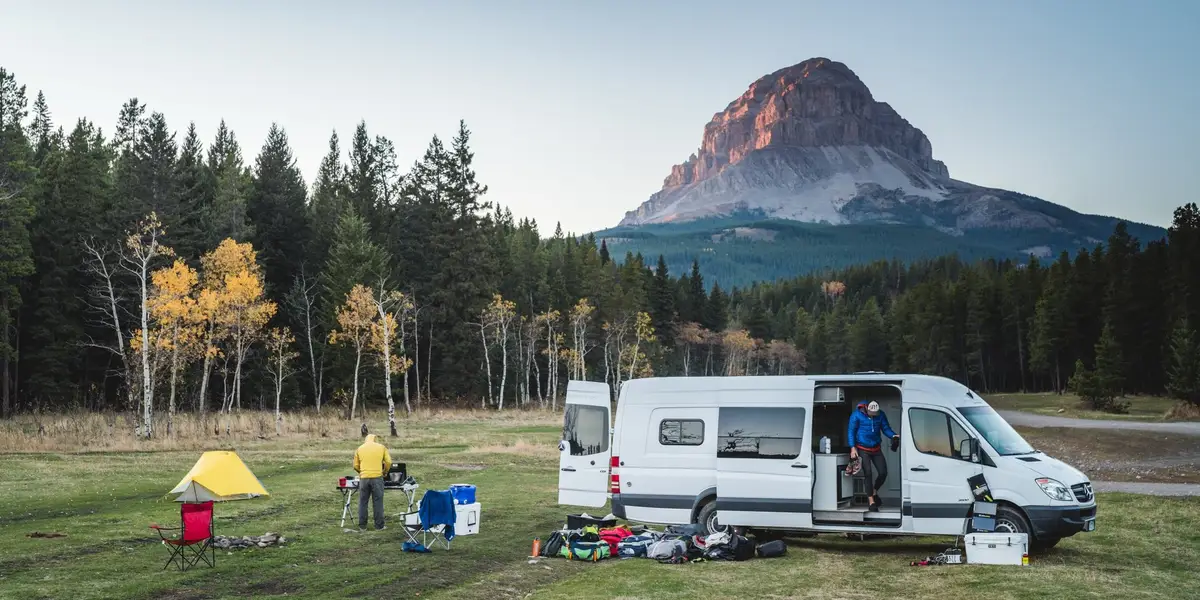
RV and tent combo trips have become one of my favorite ways to camp, especially when traveling with friends or family who prefer different styles. One group enjoys the comfort and convenience of an RV, while others want the simplicity of sleeping in a tent. Finding campgrounds that work well for both makes the trip smoother and far more enjoyable. The right campground creates shared space without forcing anyone to compromise their preferred way of camping.
Over time, I have learned that not all campgrounds handle mixed camping styles equally well. Some places cater almost entirely to RVs, leaving tent campers feeling squeezed or exposed. Others favor tents but lack the access and hookups RV travelers need. The campgrounds below strike a balance, offering layouts, amenities, and surroundings that support both RVs and tents comfortably.
Yosemite National Park Campgrounds
Yosemite National Park stands out as one of the best places for RV and tent combo trips. Campgrounds like Upper Pines and Lower Pines accommodate RVs while still offering excellent tent sites. Both groups share the same stunning environment, surrounded by granite cliffs, rivers, and towering trees.
I enjoy how these campgrounds encourage shared experiences. RV sites and tent sites are woven together rather than separated, making it easy to gather around meals or evening conversations. Trails begin near camp, and scenic views surround everyone equally. Yosemite makes mixed camping feel natural rather than divided.
Yellowstone National Park Campgrounds
Yellowstone National Park offers several campgrounds that work well for RV and tent combinations. Madison, Canyon, and Grant Village campgrounds provide space for RVs while maintaining designated tent areas. Wildlife activity and geothermal features create constant interest throughout the day.
I appreciate how Yellowstone’s campground layouts give everyone access to the same experiences. Early mornings and evenings bring shared wildlife viewing opportunities. Tent campers benefit from facilities nearby, while RV travelers enjoy the convenience of established sites. Yellowstone delivers balance in a setting that feels truly wild.
Grand Teton National Park Campgrounds
Grand Teton National Park offers a more intimate environment for RV and tent combo trips. Campgrounds like Colter Bay and Gros Ventre provide ample space for both setups. Mountain views and open meadows surround camp, creating a sense of unity.
I like how tent sites remain close to RV sites without feeling crowded. Wildlife often moves through the area, adding excitement for everyone. Access to lakes, trails, and scenic drives makes planning group activities easy. The Tetons offer a calm and connected camping experience for mixed groups.
Acadia National Park Campgrounds
Acadia National Park supports RV and tent combo trips through campgrounds like Blackwoods and Seawall. These campgrounds handle RVs while still preserving quiet, wooded tent areas. Coastal air and forest surroundings shape the experience.
I enjoy how everyone can explore the same trails and shoreline regardless of camping style. Evenings feel peaceful, with shared walks to nearby viewpoints. Sites are thoughtfully designed, reducing noise and traffic issues. Acadia offers a refined environment that suits both RV and tent campers.
Great Smoky Mountains National Park Campgrounds
The Great Smoky Mountains provide several campgrounds that work well for mixed camping styles. Elkmont and Cades Cove accommodate RVs while offering shaded tent sites along rivers and forest edges. The environment feels immersive and calming.
I find these campgrounds especially good for longer stays. Tent campers enjoy soft ground and tree cover, while RV travelers have accessible roads and amenities. Wildlife sightings and trail access bring everyone together. The Smokies make combo trips feel cohesive and relaxed.
Zion National Park Campgrounds
Zion National Park offers a compact but effective setting for RV and tent combo trips. South Campground and Watchman Campground both accommodate RVs and tents within walking distance of park shuttles and trails. Red rock cliffs dominate the landscape.
I enjoy how Zion’s layout reduces the need for driving once camp is set. Both RV and tent campers can easily access the same trailheads and scenic areas. Evenings feel communal, with shared views and sunset walks. Zion delivers a strong group experience in a dramatic setting.
Rocky Mountain National Park Campgrounds
Rocky Mountain National Park provides campgrounds that support both RVs and tents, such as Moraine Park. Open valleys and mountain peaks create a striking backdrop for mixed camping groups. Wildlife activity adds excitement throughout the day.
I appreciate how the park’s campgrounds maintain space between sites. Tent campers benefit from level ground and shelter, while RV travelers enjoy accessible loops. Shared access to trails and scenic overlooks encourages group exploration. Rocky Mountain National Park makes combo trips feel energetic and engaging.
Olympic National Park Campgrounds
Olympic National Park offers variety that suits RV and tent combo trips well. Campgrounds range from coastal sites to forested river locations, many of which accommodate both camping styles. This diversity allows groups to choose environments that fit everyone’s comfort level.
I enjoy how tent and RV sites blend naturally into the landscape. Rainforest settings provide shade and privacy, while coastal areas deliver open views. Shared activities range from tide pooling to forest hikes. Olympic’s variety keeps combo trips interesting and flexible.
Custer State Park
Custer State Park offers some of the best mixed camping opportunities outside national parks. Campgrounds like Sylvan Lake and Blue Bell welcome RVs while providing excellent tent sites. Wildlife moves freely through the park, adding daily interest.
I find the park’s road system and campground design ideal for groups. Tent campers enjoy quiet, scenic sites, while RV travelers have enough space to maneuver comfortably. Scenic drives and trails create easy shared plans. Custer State Park balances comfort and adventure for combo trips.
Shenandoah National Park Campgrounds
Shenandoah National Park supports RV and tent combo trips through campgrounds like Big Meadows. Ridge-top locations provide wide views and cooler temperatures during warmer months. Skyline Drive runs nearby, offering easy access to overlooks.
I enjoy how tent sites feel sheltered despite being close to RV areas. Wildlife sightings and meadow walks bring everyone together. Facilities remain close without dominating the experience. Shenandoah delivers a peaceful setting that works well for mixed camping styles.
Mount Hood National Forest Campgrounds
Mount Hood National Forest offers campgrounds that handle RVs and tents with ease. Sites near lakes and forests provide scenic surroundings without overcrowding. Volcanic terrain and alpine views shape the environment.
I appreciate how these campgrounds provide clear separation between sites while maintaining a shared atmosphere. Tent campers enjoy shade and soft ground, while RV travelers have level access. Trails and viewpoints remain close, encouraging group outings. Mount Hood delivers balance in a scenic mountain setting.
Big Sur Campgrounds
Big Sur offers unique opportunities for RV and tent combo trips along the California coast. Campgrounds like Pfeiffer Big Sur State Park allow both setups among redwoods and rivers. Ocean influence shapes the climate and atmosphere.
I enjoy how tent and RV campers share access to the same dramatic scenery. Evenings feel calm and reflective, with shared walks and river access. Site layouts reduce noise and traffic concerns. Big Sur delivers a memorable environment for mixed camping groups.
Lake Tahoe Campgrounds
Lake Tahoe offers numerous campgrounds suitable for RV and tent combo trips. Forested sites near the lake provide access to water, trails, and scenic views. Elevation keeps temperatures comfortable during summer.
I find Tahoe campgrounds ideal for groups with varied interests. RV campers enjoy accessible roads and services, while tent campers benefit from shaded, well-spaced sites. Activities range from hiking to swimming and paddling. Lake Tahoe supports active and social combo trips.
What Makes a Campground Work for RV and Tent Trips
Successful RV and tent combo campgrounds share specific characteristics. They offer layouts that separate vehicle traffic from sleeping areas while keeping groups close together. Level ground, clear site boundaries, and thoughtful spacing matter for both setups.
I value campgrounds that provide shared facilities without forcing constant interaction. Restrooms, water access, and trailheads should be easy to reach for everyone. Noise management becomes important when RV generators and tent campers share space. The best campgrounds balance access with atmosphere.
Planning Group Camping With Mixed Setups
Planning becomes more important when RVs and tents share a campground. I always check site dimensions, road access, and campground rules before booking. Making sure RV size limits and tent suitability align avoids last-minute stress.
I also coordinate arrival times when possible. Setting up camp during daylight helps everyone settle in comfortably. Shared meal planning and activity schedules keep the group connected. Thoughtful planning turns mixed camping into a seamless experience.
Shared Activities That Bring Groups Together
Combo trips work best when everyone shares experiences beyond their campsite. Hiking, scenic drives, and evening campfires create common ground. Campgrounds near trails, lakes, or viewpoints make this easy.
I enjoy choosing locations where simple activities feel rewarding. Morning walks, wildlife viewing, and relaxed afternoons build shared memories. RV and tent campers can retreat to their own spaces while still feeling part of the group. These shared moments define successful combo trips.
Why RV and Tent Combo Trips Are Worth It
RV and tent combo trips bring flexibility to camping. Everyone enjoys the outdoors in a way that suits them best. Comfort and simplicity coexist without conflict when the campground supports both.
I find these trips encourage inclusivity and longer stays. People new to camping feel supported, while experienced tent campers maintain their connection to nature. The mix adds variety and perspective to every trip. Combo camping expands what group travel can be.
Final Thoughts
The best campgrounds for RV and tent combo trips make space for different camping styles without sacrificing quality. These locations support comfort, connection, and shared experiences. From national parks to state parks and forests, the right campground sets the tone for a successful trip.
Each campground on this list has proven that mixed camping can feel cohesive and rewarding. With thoughtful planning and the right setting, RV and tent campers can enjoy the outdoors together without compromise. These campgrounds offer the foundation for memorable trips built around flexibility, scenery, and shared adventure.
