

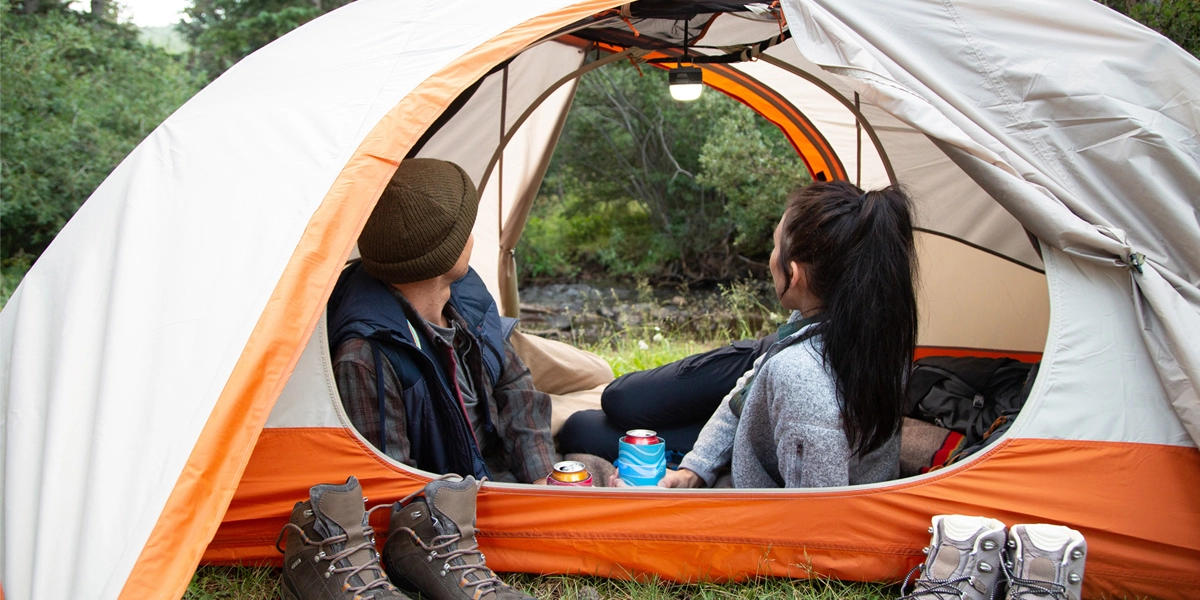
Setting up camp efficiently has become one of the most important outdoor skills I rely on, especially after long drives, tough hikes, or arriving at camp with daylight fading fast. A smooth setup saves energy, reduces frustration, and leaves more time to relax or explore. Over the years, I’ve refined small habits and systems that turn what used to be a chaotic process into something calm and predictable.
Speed does not come from rushing or cutting corners. It comes from preparation, smart sequencing, and knowing exactly what matters in the moment. By focusing on practical steps and mental organization, camp setup becomes less work and more routine, even in unfamiliar places.
Planning Before the Trip Starts
Fast camp setup begins long before I reach the campsite. I think through the trip details such as weather, terrain, group size, and length of stay. That mental preparation determines what gear comes with me and what stays behind.
I pack with intention rather than habit. Each item has a purpose, and I avoid throwing things into bags without a clear reason. When gear is selected thoughtfully, I waste less time digging for items that never get used.
Packing Gear in a Logical Order
How gear is packed matters just as much as what gear is packed. I place setup essentials where they are easy to reach, even if everything else stays buried for later. Tent, groundsheet, stakes, and headlamp always stay near the top or in a separate bag.
Grouping items by task helps me stay focused. Sleeping gear stays together, cooking gear stays together, and shelter gear is never mixed with random accessories. That simple system eliminates confusion once I arrive.
Arriving at Camp With a Clear Plan
The moment I step out of the vehicle or off the trail, I pause and scan the area. I look for wind direction, slope, ground firmness, and overhead hazards. Taking thirty seconds to evaluate the site prevents mistakes that cost time later.
Once I commit to a spot, I stick with it unless there’s a clear reason to move. Constant second-guessing slows everything down. Confidence in that initial decision speeds up every step that follows.
Setting Priorities Immediately
I always focus on shelter first. Protection from weather comes before food, chairs, or unpacking luxuries. Once the tent or tarp is secure, everything else feels easier and less stressful.
After shelter, I move on to sleeping gear and lighting. Being able to rest and see clearly at night gives me flexibility if other tasks take longer than expected. Comfort comes later, once essentials are handled.
Efficient Tent Setup Techniques
I’ve learned my tent setup so well that I could probably do it in low light or bad weather. Familiarity makes a massive difference. Practicing at home or in a park builds muscle memory that pays off at camp.
I lay out all components before assembly rather than grabbing items one at a time. Poles, stakes, and fabric are positioned in the order they will be used. That simple step prevents backtracking and repeated bending.
Using Ground Conditions to Your Advantage
The ground can either help or fight you during setup. I use natural features like trees, rocks, and slight elevation to block wind and manage water runoff. A well-chosen spot reduces the need for constant adjustments.
When staking, I work diagonally and evenly rather than randomly. Tension stays balanced, and the shelter takes shape faster. Fighting uneven tension wastes time and energy.
Smart Use of Tarps and Footprints
A tarp or footprint speeds things up when used correctly. It creates a clean workspace and protects gear from dirt and moisture. I fold it to match the tent size instead of spreading it out completely.
Using color-coded corners or marked edges helps align everything quickly. Small details like that prevent repositioning the tent multiple times.
Organizing Gear Inside the Tent
Once the tent is up, I resist the urge to throw everything inside. I bring in only what belongs there, starting with sleeping gear. Pads go down first, then sleeping bags, then personal items.
I assign spots for everything. Headlamp stays near the door, shoes go in the same corner every time, and clothing stays contained. That consistency saves time later and keeps the space usable.
Managing Cooking Setup Efficiently
Cooking gear gets its own setup zone away from sleeping areas. I place the stove on stable ground and set out only the tools I need for the next meal. Everything else stays packed.
I keep fuel, lighter, and cookware together so I’m never searching for missing pieces. That system prevents delays and keeps me focused on the task instead of rummaging through bags.
Simplifying Camp Furniture Choices
Chairs and tables are optional depending on the trip. If I bring them, I set them up last. Comfort is important, but it should never slow down the essentials.
Lightweight, quick-fold designs save time and effort. I avoid complicated furniture with multiple parts that require instructions or adjustment.
Clothing and Personal Items Strategy
I separate camp clothing from hiking or travel clothing. Camp clothes are easy to access and go straight into the tent. That way I’m not digging through dirty or damp items.
Personal hygiene items stay in one small bag. Toothbrush, wipes, and headlamp always live together. Having a predictable place for essentials reduces mental clutter.
Lighting Setup Without Delays
Good lighting makes everything faster. I set up lanterns or string lights as soon as the shelter is secure if daylight is fading. Seeing clearly prevents mistakes and accidents.
I avoid overcomplicating lighting setups. One main light and a headlamp usually handle everything I need. More lights mean more time spent adjusting and managing them.
Staying Organized Throughout the Process
Organization is not about perfection, it’s about flow. I finish one task before starting the next. Jumping between tasks slows everything down and creates confusion.
If something does not need immediate attention, I leave it packed. Half-unpacked gear creates clutter and steals time. A clean setup area keeps my mind clear.
Working Efficiently With Others
When camping with others, communication matters. I assign simple roles so everyone knows what to do. One person handles shelter, another manages cooking gear, and someone else organizes sleeping areas.
Clear roles prevent duplication of effort and standing around unsure. Even casual coordination speeds things up significantly.
Avoiding Common Setup Mistakes
Rushing leads to mistakes that cost more time later. Skipping site evaluation, poor staking, or messy packing all come back to slow things down. Taking a calm, methodical approach actually saves time overall.
I also avoid unpacking everything at once. That habit creates clutter and forces unnecessary repacking later. Minimal unpacking keeps the process focused.
Adapting to Weather Conditions
Weather affects setup speed more than most people realize. In wind or rain, I adjust my sequence. Shelter goes up immediately, even if it’s not perfectly placed at first.
I use rain flies, tarps, or ponchos to keep gear dry during setup. Staying dry and organized prevents frustration and delays.
Nighttime Setup Strategies
Arriving at camp after dark requires extra discipline. I rely on muscle memory and pre-packed systems. Every item has a place, and I follow the same steps every time.
I avoid experimenting at night. Familiar gear and routines make nighttime setup predictable and stress-free.
Maintaining Energy and Focus
Fatigue slows everything down. I stay hydrated and take short pauses if needed. A clear head works faster than a rushed, exhausted one.
I remind myself that camp setup sets the tone for the entire trip. A calm start leads to a better experience overall.
Breaking Down Camp for the Next Setup
Fast setup also comes from how I break camp. I pack gear clean, dry, and organized so it’s ready for next time. Poor breakdown habits make the next setup harder.
I inspect gear as I pack it. Fixing small issues immediately prevents delays on future trips.
Developing a Personal System
Everyone camps differently, and efficiency comes from developing a personal system. I refine my process after every trip, adjusting what worked and what didn’t.
That system evolves with experience. The more trips I take, the smoother setup becomes without conscious effort.
Final Thoughts on Smarter Camp Setup
Setting up camp faster and smarter is not about shortcuts or expensive gear. It’s about preparation, organization, and calm decision-making. Small habits repeated consistently make the biggest difference.
By approaching camp setup with intention and structure, I save time, conserve energy, and enjoy the outdoors more. A well-organized start creates space for what really matters, whether that’s a quiet evening by the fire or an early morning on the trail.
