

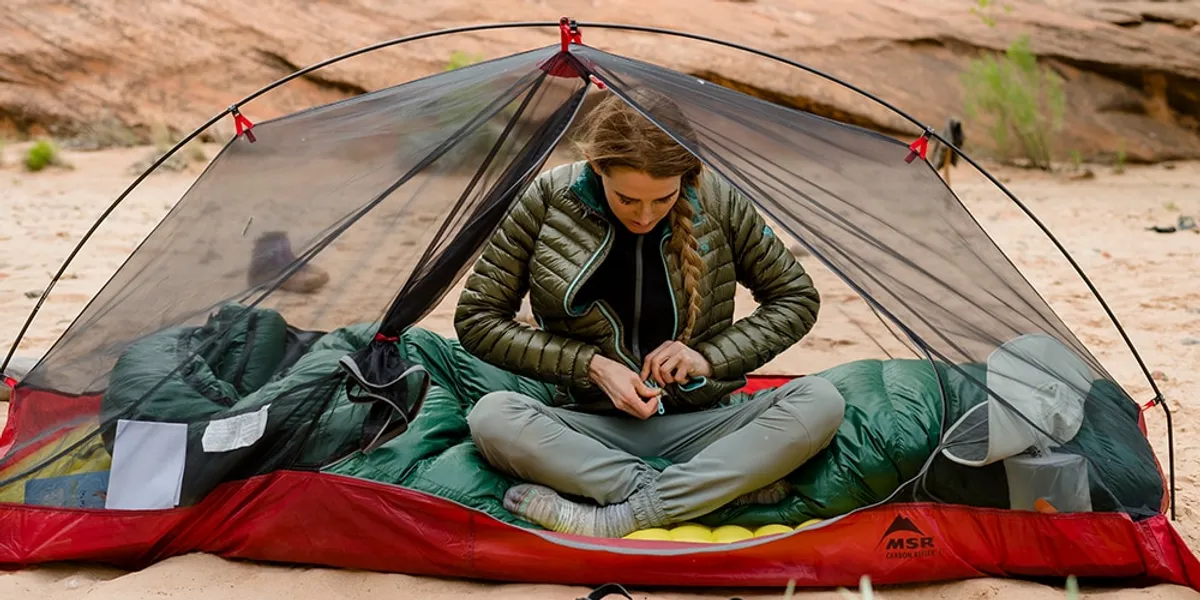
Solo camping strips everything down to the essentials. Without conversation or shared responsibilities, every decision and every moment becomes more noticeable. I find that camping alone sharpens awareness of surroundings, routines, and personal limits in a way group trips never quite manage. It is not about isolation but about self-reliance, calm, and learning to trust personal judgment outdoors.
Going solo for the first time can feel intimidating, but preparation turns nerves into confidence. The goal is not to prove toughness or push extremes. The goal is to feel comfortable being alone in nature while staying safe, organized, and mentally grounded. Solo camping rewards patience and planning more than bravado.
Setting the Right Expectations
Solo camping feels different from group trips in subtle but important ways. Time moves slower, and simple tasks take on more weight because everything depends on personal effort. I go into solo trips expecting quiet, not constant excitement, and that mindset makes the experience rewarding rather than unsettling.
Expect moments of boredom alongside moments of awe. Without distractions, the mind wanders, which can feel uncomfortable at first. Accepting that mental space is part of the experience helps avoid unnecessary anxiety.
It also helps to start small. A short overnight trip close to home builds confidence faster than a long remote expedition. Gradual exposure allows skills and comfort to develop naturally.
Picking a Beginner-Friendly Location
Location choice matters more when camping alone. I prefer established campgrounds or well-known backcountry sites for a first solo trip. Familiar terrain reduces stress and leaves more energy for enjoying the experience.
Accessibility is important. Knowing help is within reasonable distance provides peace of mind without ruining the sense of independence. Cell service, nearby ranger stations, or regular foot traffic can be reassuring early on.
I also consider weather patterns and seasonal conditions carefully. Mild, predictable weather reduces risks and distractions. Comfort builds faster when environmental challenges stay manageable.
Planning the Trip Thoroughly
Solo camping demands thorough planning because backup options are limited. I plan routes, campsites, and daily schedules in advance. Clear plans reduce decision fatigue once in the field.
I always share my itinerary with someone I trust. Dates, locations, and check-in plans provide a safety net without interfering with independence. This step alone increases confidence for both me and those at home.
Food planning matters more solo because mistakes cannot be offset by sharing. I pack simple meals that require minimal preparation. Less complexity means fewer chances for error.
Packing With Purpose
Every item matters more when camping alone. I pack lighter than on group trips but avoid cutting essential safety gear. Balance matters more than minimalism.
Redundancy plays a role in critical items. A backup light source, extra fire-starting option, and spare navigation tool provide security. These items weigh little but offer peace of mind.
Organization is equally important. Knowing exactly where each item lives prevents frustration after dark or during bad weather. Solo camping rewards order and familiarity with gear.
Arriving and Setting Up Camp
Arrival sets the tone for the entire trip. I reach camp with enough daylight to set up without rushing. Calm setup reduces mistakes and builds confidence immediately.
I take time choosing a campsite even in designated areas. Flat ground, good drainage, and visibility matter more when alone. Feeling comfortable with the immediate environment helps ease nighttime nerves.
Once camp is set, I organize gear carefully. Everything has a place, making it easier to relax. Order creates a sense of control that carries into the night.
Managing Safety on a Solo Trip
Safety becomes more personal when camping alone. I pay close attention to surroundings, weather changes, and physical condition. Awareness replaces reliance on others.
I avoid unnecessary risks. Solo camping is not the time to attempt difficult terrain, extreme weather challenges, or unfamiliar technical skills. Staying within comfort zones builds experience safely.
First aid knowledge becomes more important alone. I carry a well-stocked kit and know how to use it. Confidence in handling minor issues prevents small problems from escalating.
Handling Fear and Nighttime Anxiety
Nighttime can feel intense during a first solo camp. Sounds seem louder, and imagination fills gaps. I remind myself that unfamiliar noises are usually harmless wildlife or wind.
Routine helps calm the mind. Cooking dinner, cleaning up, and preparing for sleep in a familiar order signals safety and normalcy. Predictability reduces anxiety naturally.
I also keep a light source within reach. Knowing I can instantly see surroundings brings comfort. Fear loses power when practical responses feel available.
Staying Occupied Without Distractions
Solo camping offers space to slow down. Without conversation, I find small activities more satisfying. Reading, journaling, or observing nature fills time without pressure.
I avoid filling every moment with tasks. Sitting quietly and watching changes in light or listening to sounds becomes rewarding. Presence replaces entertainment.
Mental engagement helps too. Reflecting, planning future trips, or reviewing skills keeps the mind active without overstimulation. Solo camping encourages thoughtful solitude rather than boredom.
Cooking and Eating Alone
Cooking solo feels simpler and more intentional. I choose meals that require minimal cleanup and preparation. Fewer dishes mean more time to relax.
I pay attention to food storage, especially in wildlife areas. Proper food handling reduces risk and anxiety. Confidence grows when routines feel controlled.
Eating alone outdoors becomes surprisingly enjoyable. Without distractions, flavors stand out more. Meals turn into quiet rituals rather than rushed necessities.
Navigating Without Group Support
Navigation feels different when alone because decision-making rests entirely on personal judgment. I rely on maps and landmarks rather than technology alone. Confidence in navigation skills reduces stress.
I check orientation frequently rather than waiting until uncertainty builds. Small corrections prevent major errors. Awareness replaces reactive problem-solving.
I also set conservative turnaround points. Knowing when to stop or turn back matters more solo. Good judgment builds trust in personal decision-making.
Managing Energy and Pace
Solo pacing feels more natural without group dynamics. I move at a steady, comfortable speed and take breaks as needed. Listening to the body prevents fatigue.
I schedule downtime intentionally. Rest is not wasted time when alone. Energy management keeps moods stable and decisions clear.
Hydration and nutrition stay consistent. Without reminders from others, discipline matters more. Simple routines ensure needs are met.
Dealing With Unexpected Challenges
Challenges feel bigger alone, but preparation keeps them manageable. Weather changes, minor gear issues, or navigation hiccups require calm responses. Panic serves no purpose.
I break problems into small steps. Addressing one thing at a time prevents overwhelm. Clear thinking replaces stress.
Solo camping builds problem-solving confidence quickly. Each challenge handled alone strengthens self-reliance for future trips.
Morning After the First Night
The first morning solo feels different from arrival. Confidence rises quickly after a successful night. Familiarity replaces uncertainty.
I take time enjoying the morning routine. Coffee tastes better, and silence feels comforting rather than awkward. Small successes reinforce confidence.
Breaking camp feels satisfying because everything worked as planned. Accomplishment settles in quietly rather than loudly.
Breaking Camp and Leaving No Trace
Packing up alone feels efficient and focused. I double-check the area to ensure nothing is left behind. Responsibility feels more personal without shared accountability.
I follow Leave No Trace principles carefully. Solo campers represent themselves entirely. Respect for the environment feels deeper when experienced alone.
Leaving the site as I found it brings quiet satisfaction. The space remains untouched, and the experience feels complete.
Reflecting After the Trip
Reflection helps turn the first solo camp into a learning experience. I think about what worked, what felt uncomfortable, and what I would change next time. Honest evaluation improves future trips.
Confidence builds faster than expected. Even small solo trips prove capability. That confidence carries into other areas of outdoor life.
I also notice mental clarity after solo camping. Time alone outdoors resets perspective in subtle but lasting ways.
Building Toward More Advanced Solo Trips
The first solo trip opens the door to more possibilities. Each successful outing expands comfort zones naturally. Progress happens without forcing it.
I gradually explore new environments, longer trips, or more remote areas. Skills grow through repetition, not rushing. Patience ensures safety and enjoyment.
Solo camping becomes less intimidating and more inviting over time. Familiarity turns solitude into comfort.
Final Thoughts on Camping Alone for the First Time
How to camp solo for the first time comes down to preparation, patience, and mindset. The experience is less about proving independence and more about discovering calm self-reliance. Solo camping teaches awareness, confidence, and respect for both nature and personal limits.
I find solo camping deeply grounding. Without distractions, the outdoors feels more honest and personal. The quiet becomes a companion rather than an absence.
Camping alone is not for escaping people but for reconnecting with oneself. Once that connection forms, solo trips stop feeling daunting and start feeling essential.
