

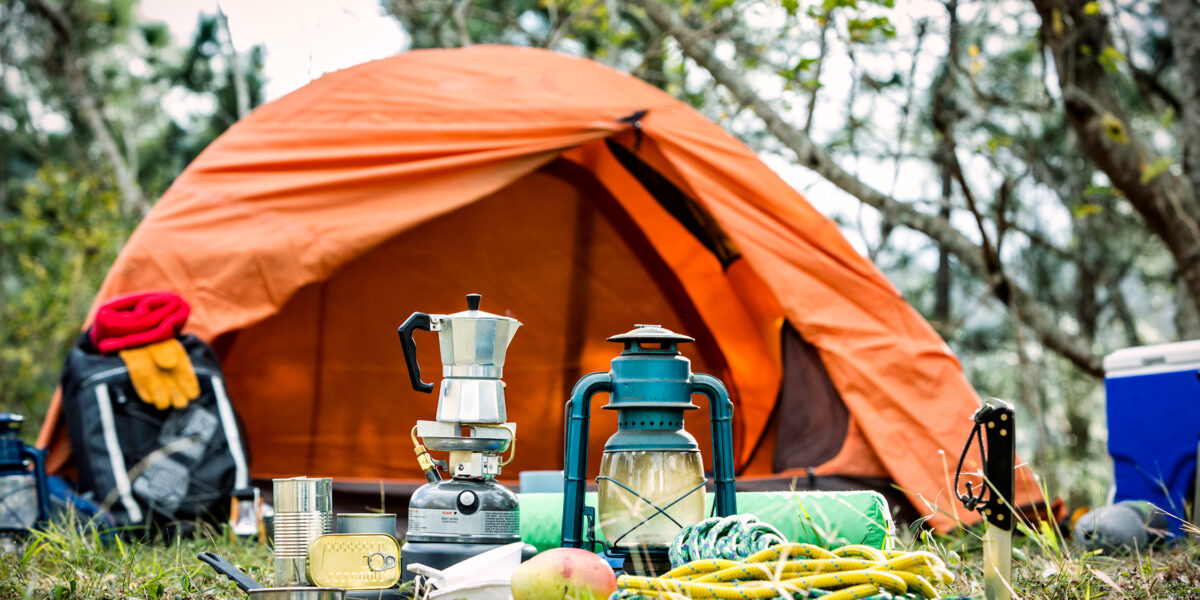
A campsite sets the tone for the entire trip, and I never treat that decision lightly. Where the tent sits affects sleep, meals, safety, and even mood throughout the stay. I approach campsite selection as part instinct, part method, shaped by experience and a fair share of trial and error.
Every landscape tells a story if I take the time to read it. Slopes, trees, water flow, and wind patterns all hint at how the night might unfold. Paying attention early prevents discomfort later and turns a basic outing into a genuinely enjoyable camping experience.
Thinking About the Purpose of the Trip
Before I even look at a map or campground list, I clarify what this trip needs to be. Some outings revolve around rest and quiet, while others focus on hiking, fishing, or social gatherings. The campsite should support that purpose instead of working against it.
A peaceful solo trip calls for different surroundings than a family weekend or group adventure. Noise levels, accessibility, and space matter more depending on who is coming along. Defining the goal makes every later decision clearer and faster.
Considering Accessibility and Distance
Distance from the trailhead or parking area shapes how much gear I can realistically bring. A short walk allows comfort items, while a long hike demands simplicity and lighter loads. I factor this in before committing to a spot that looks perfect on paper.
Accessibility also affects emergency planning and convenience. Being too remote can add risk if weather changes or equipment fails. Balance matters, and I aim for a location that matches my experience level and preparation.
Studying the Terrain Carefully
The ground beneath a tent decides how well I sleep, so terrain inspection is non-negotiable. I look for flat areas free of rocks, roots, and dips that could collect water. Even a slight slope becomes noticeable after several hours of rest.
I also observe how the land around the site behaves. Natural drainage patterns reveal where rain might flow. Choosing higher ground with gentle slopes reduces the chance of waking up cold, damp, and frustrated.
Paying Attention to Wind Patterns
Wind shapes comfort more than most people expect. I watch how trees lean, how grass bends, and how clouds move to understand prevailing airflow. A site exposed to constant wind can drain warmth and patience quickly.
Shelter from natural features makes a noticeable difference. Tree lines, hills, and rock formations can block harsh gusts without trapping stale air. A well-protected site feels calmer and more inviting, especially in the evening.
Evaluating Tree Coverage and Shade
Trees offer shade, privacy, and wind protection, but they also demand caution. I check branches overhead for signs of weakness or decay. Falling limbs are rare but dangerous enough to warrant careful inspection.
Shade matters most during warmer seasons. A site that gets morning sun and afternoon shade often strikes the best balance. This pattern keeps the tent comfortable while still allowing gear to dry.
Thinking About Water Sources
Water access influences convenience and safety, so I always note its location. Being too close risks flooding, insects, and damp ground. Staying too far adds effort and time for every refill.
I aim for a moderate distance that feels practical without inviting problems. Natural water sources also attract wildlife, so awareness and proper food storage remain essential. Respecting that balance protects both campers and animals.
Watching for Signs of Wildlife Activity
Wildlife leaves clear clues if I know how to look. Tracks, droppings, worn paths, and disturbed vegetation signal frequent movement. Camping directly on these routes invites unwanted nighttime visitors.
I choose sites slightly removed from obvious animal corridors. This reduces encounters and preserves natural behavior patterns. Quiet coexistence keeps everyone safer and more relaxed.
Checking Sun Exposure Throughout the Day
Sunlight shifts constantly, and I imagine how the site will feel at different hours. Morning sun helps with warmth and motivation, while afternoon shade offers relief. Too much of either can affect comfort.
I often visualize the sun’s arc based on surrounding terrain. Hills and trees cast long shadows that change quickly. Anticipating these patterns helps avoid surprises.
Looking for Natural Privacy
Privacy enhances the sense of escape that camping offers. I scan for visual barriers like shrubs, terrain dips, or tree clusters. These features create separation without feeling isolated.
In developed campgrounds, spacing between sites matters just as much. A little distance reduces noise and distractions. Feeling tucked away improves relaxation and connection to the environment.
Assessing Ground Cover and Vegetation
Ground cover reveals how durable a campsite might be. Thick grass or compact soil handles foot traffic better than fragile plants. I avoid areas where vegetation looks easily damaged.
Respecting the land means leaving minimal impact. Durable surfaces recover faster and preserve the site for others. Choosing wisely supports long-term access to beautiful places.
Thinking About Fire Safety and Regulations
Fire considerations shape campsite suitability, even if I do not plan to light one. I check for existing fire rings and clear space around them. Wind direction and nearby vegetation influence safety.
Regulations vary widely, so awareness matters. Some areas restrict fires entirely, while others require specific practices. Aligning campsite choice with local rules avoids problems and protects the environment.
Considering Noise and Natural Sound
Sound travels differently outdoors, and I stay aware of potential disturbances. Flowing water, wind through trees, and wildlife calls can be soothing or overwhelming depending on volume. Human noise from roads or popular trails affects immersion.
I listen carefully before settling in. Even distant sounds become noticeable at night. A quieter site often leads to deeper rest and better mornings.
Evaluating Drainage After Rain
Rain reveals weaknesses in campsite selection. I imagine how water might move across the land during storms. Depressions and compacted soil collect moisture quickly.
I prefer slightly elevated ground with visible runoff paths nearby. This keeps sleeping areas dry and manageable. Preparation here prevents discomfort later.
Observing Signs of Previous Use
Signs of past campers offer valuable insight. Well-worn ground suggests popularity and proven suitability. Excessive damage, however, hints at overuse or poor management.
I look for balance rather than extremes. A lightly used site often feels more peaceful while still being practical. Observation guides better choices.
Adjusting for Seasonal Conditions
Seasons change how landscapes behave, and I adjust expectations accordingly. Snowmelt, heavy rains, or dry spells alter water flow and ground stability. What works in summer might fail in spring.
I factor in temperature, insects, and daylight hours. Seasonal awareness prevents surprises and improves overall comfort. Flexibility becomes an asset.
Trusting Instinct Alongside Logic
Experience builds intuition, and I listen to it. Sometimes a site meets all technical criteria yet feels wrong. Other times, a simple clearing feels perfect despite minor flaws.
I respect that inner signal shaped by past trips. Logic guides the process, but instinct refines it. Together, they lead to better decisions.
Setting Up With Adaptability in Mind
Once a site feels right, I set up thoughtfully. Tent orientation, cooking area placement, and gear storage follow natural features. Small adjustments enhance comfort significantly.
Adaptability allows correction if conditions change. Wind shifts, weather evolves, and needs adjust. A flexible setup handles these changes gracefully.
Reflecting on Each Campsite Experience
Every campsite teaches something new. I reflect on what worked well and what caused discomfort. These lessons inform future decisions.
Patterns emerge over time. Certain features consistently improve experiences. Learning from reflection sharpens judgment.
Final Thoughts on Campsite Selection
Choosing the perfect campsite blends preparation, observation, and experience. I rely on terrain, weather, and instinct rather than rushing the decision. This approach transforms camping into a smoother, more enjoyable adventure-toggle.
A good campsite supports rest, safety, and connection to nature. With careful attention and patience, the right spot reveals itself. Each successful choice builds confidence for the next journey.
