

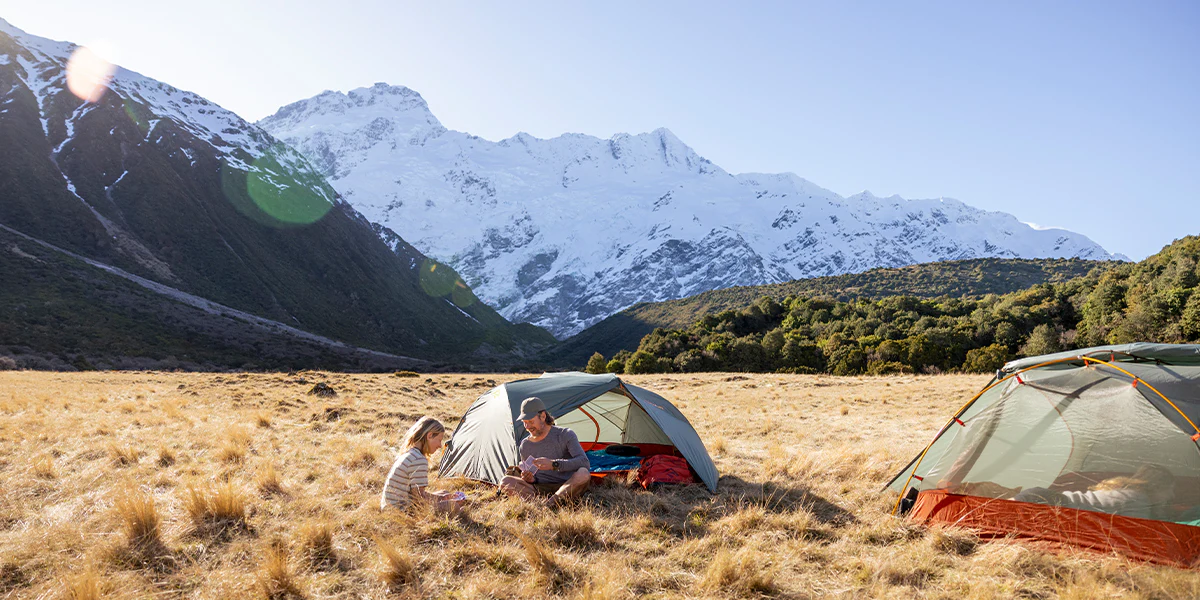
Mountain camping carries a sense of depth that feels different from any other outdoor experience. Elevation changes the air, the light, and even the way time feels during the day. I have always noticed how mornings arrive quieter in the mountains, with cool air and distant sounds replacing the rush of everyday life. Camping in these environments feels grounding, demanding attention while offering calm in return.
The best mountain camping destinations balance dramatic scenery with access and safety. Not every mountain area welcomes campers in the same way, and some places feel far more supportive than others. I focus here on destinations where camping feels immersive without becoming overwhelming. These are places where mountain landscapes enhance the experience instead of complicating it.
Rocky Mountain National Park
Rocky Mountain National Park delivers a classic mountain camping experience shaped by wide valleys and towering peaks. Campgrounds here sit at elevations that feel exciting without being intimidating. I appreciate how well-maintained the sites are, which helps campers settle in comfortably. The scenery alone creates a sense of arrival that makes setup feel worthwhile.
Trails near campgrounds range from flat meadow walks to steady climbs that reward patience. Wildlife sightings are common, adding energy to quiet mornings and evenings. Clear signage and ranger presence help campers stay informed about weather and safety. This structure allows mountain camping to feel adventurous yet approachable.
Evenings often bring cooler temperatures and deep silence. Campfires become gathering points, and stars appear sharper than expected. Rocky Mountain National Park teaches respect for altitude while delivering unforgettable views. It stands as a strong introduction to mountain camping.
Great Smoky Mountains National Park
Great Smoky Mountains National Park offers a gentler version of mountain camping wrapped in dense forests and rolling ridges. The terrain feels inviting rather than harsh, which encourages exploration at a relaxed pace. I enjoy how the mountains here feel layered and expansive without feeling imposing. Camping blends naturally into the landscape.
Campgrounds are spread throughout the park, offering variety in elevation and scenery. Many sit near streams, creating soothing background sounds throughout the day and night. Trails often start close to campsites, making spontaneous hikes easy. These features reduce the pressure to plan every detail in advance.
Fog and mist frequently drift through the valleys, adding atmosphere rather than inconvenience. Wildlife encounters tend to feel calm and predictable. The Smokies provide mountain camping that feels restorative and accessible. This destination supports both reflection and discovery.
Yosemite National Park
Yosemite National Park brings a dramatic edge to mountain camping with its granite cliffs and high elevations. Camping here feels monumental, shaped by iconic formations and wide-open spaces. I find the sense of scale inspiring, especially during quiet mornings in the valley. Even simple routines feel elevated by the surroundings.
Campgrounds offer structured layouts with reliable amenities, which adds stability to such a powerful environment. Access to trails, viewpoints, and rivers allows campers to explore without long drives. Ranger programs and clear information support safe exploration at higher elevations. This guidance matters when weather shifts quickly.
Nights in Yosemite feel crisp and still. The sound of distant water and wind replaces urban noise completely. Camping here creates a lasting impression shaped by contrast and clarity. Yosemite delivers mountain camping that feels bold and unforgettable.
Glacier National Park
Glacier National Park presents mountain landscapes that feel raw and expansive. Sharp peaks, alpine lakes, and broad valleys define the experience. I appreciate how the park maintains a sense of wildness while still supporting campers. This balance makes the environment feel alive rather than intimidating.
Campgrounds are positioned near lakes and trailheads, encouraging daily exploration. Clear guidelines around wildlife safety and food storage build confidence rather than fear. Trails offer varying levels of challenge, allowing campers to grow comfortable with elevation and terrain. Each outing feels purposeful and rewarding.
Weather can shift rapidly, but preparation resources are thorough and accessible. Evenings often feel quiet and reflective, framed by dramatic silhouettes of peaks. Glacier teaches patience and respect for mountain conditions. Camping here deepens appreciation for untouched landscapes.
Mount Rainier National Park
Mount Rainier National Park centers around a single, commanding peak that shapes the entire experience. The mountain feels ever-present, influencing weather, light, and mood. I enjoy how camping here encourages awareness of natural cycles. Each day feels guided by the mountain itself.
Campgrounds are set among forests and meadows, offering shelter and open views in equal measure. Wildflowers bloom in vibrant displays during warmer months, adding color to the terrain. Trails near campsites range from gentle loops to steady climbs. This variety suits campers with different energy levels.
Snowfields remain visible even in summer, reminding campers of elevation and climate. Nights cool quickly, creating a refreshing contrast to daytime activity. Mount Rainier offers mountain camping that feels dynamic and alive. The experience stays vivid long after leaving.
Banff National Park
Banff National Park in Canada delivers a polished yet powerful mountain camping experience. The Canadian Rockies feel sharp and dramatic, with turquoise lakes and rugged peaks defining the landscape. I find the organization of campgrounds here especially reassuring. Structure and beauty coexist seamlessly.
Campgrounds offer clear layouts, reliable facilities, and proximity to iconic sites. Access to hiking, scenic drives, and wildlife viewing keeps days full without feeling rushed. Rules are clearly communicated, supporting both safety and conservation. This clarity enhances the overall experience.
Cool evenings and crisp mornings define the rhythm of camping here. Reflections on still lakes often become highlights of the trip. Banff combines accessibility with grandeur in a way few places manage. Mountain camping here feels refined yet authentic.
Grand Teton National Park
Grand Teton National Park offers striking mountain camping shaped by sharp peaks rising abruptly from valley floors. The contrast creates dramatic views from nearly every campsite. I appreciate how immediate the landscape feels, with little transition between open plains and towering mountains. Camping here feels visually intense in the best way.
Campgrounds sit near rivers, lakes, and trailheads, offering constant opportunities for exploration. Wildlife sightings add excitement, especially during early mornings and evenings. Trails range from flat lakeside walks to challenging climbs. This range supports both relaxation and ambition.
Sunrise and sunset light transforms the Tetons into constantly shifting scenes. Evenings feel calm and contemplative. Grand Teton delivers mountain camping that feels direct and powerful. The experience encourages presence and awareness.
Adirondack Mountains
The Adirondack Mountains offer a different style of mountain camping shaped by forests, lakes, and rolling peaks. The terrain feels expansive and layered rather than steep and dramatic. I find the region encourages longer stays and slower exploration. Camping blends seamlessly into the environment.
Campgrounds often sit near water, creating opportunities for paddling and fishing. Trails wind through forests and up moderate elevations, rewarding effort with quiet views. Wildlife and birdlife add subtle movement to otherwise still settings. The atmosphere feels peaceful and grounded.
Weather tends to be mild compared to higher mountain ranges. Evenings invite reflection and conversation around the fire. Adirondack camping feels like a retreat into balance. It offers mountains without overwhelming intensity.
Blue Ridge Mountains
The Blue Ridge Mountains stretch across several states, offering varied mountain camping experiences. Rolling ridges and dense forests define the landscape. I appreciate how accessible these mountains feel, even for longer trips. Camping here feels familiar yet rewarding.
Campgrounds are plentiful and well-distributed, allowing flexibility in planning. Scenic drives connect different elevations and viewpoints. Trails often emphasize gradual climbs rather than steep ascents. This encourages steady exploration without exhaustion.
Seasonal changes bring vibrant colors and shifting moods. Mornings often arrive cool and quiet, while evenings settle gently. The Blue Ridge Mountains offer camping that feels welcoming and restorative. The experience suits a wide range of campers.
Sierra Nevada Mountains
The Sierra Nevada Mountains deliver expansive mountain camping shaped by high elevations and open terrain. Granite formations, alpine lakes, and vast skies define the experience. I enjoy how camping here encourages simplicity and focus. The environment strips distractions away naturally.
Campgrounds vary from lower elevation forests to high alpine settings. Trails offer long, rewarding routes that emphasize endurance and patience. Wildlife sightings feel integrated into the landscape rather than surprising. Each day unfolds at its own pace.
Temperature swings between day and night encourage thoughtful preparation. Evenings often feel still and introspective. Sierra Nevada camping fosters resilience and appreciation. The experience feels both challenging and calming.
White Mountains
The White Mountains in New Hampshire offer compact but powerful mountain camping. Peaks rise quickly, creating dramatic elevation changes within short distances. I find the environment encourages mindfulness and careful planning. Camping here feels purposeful and focused.
Campgrounds provide access to trail networks that range from moderate walks to demanding climbs. Weather changes can happen rapidly, shaping daily decisions. Clear signage and maintained paths support safe exploration. Each hike feels earned and memorable.
Cool nights and crisp air define the camping experience. Views from higher elevations reward effort with sweeping panoramas. The White Mountains offer mountain camping that feels intense yet manageable. The landscape leaves a lasting impression.
What Makes Mountain Camping Special
Mountain camping shapes perspective in subtle ways. Elevation changes how the body feels and how the mind processes quiet. I notice that routines slow naturally, guided by terrain and weather. The environment encourages presence rather than distraction.
Mountains also demand respect and preparation. Weather shifts, temperature changes, and wildlife influence daily decisions. These challenges create a sense of engagement rather than stress. Over time, awareness becomes intuitive.
Shared experiences in mountain settings often feel more meaningful. Cooking meals, navigating trails, and resting at camp foster connection. The landscape becomes part of the memory itself. Mountain camping stays vivid long after returning home.
Preparing for Mountain Camping
Preparation supports enjoyment in mountain environments. Elevation, weather, and terrain shape packing and planning. I have learned that flexibility matters as much as gear. Mountains reward those who adapt calmly.
Layered clothing, reliable shelter, and awareness of conditions create confidence. Food storage and water planning matter more at higher elevations. These practices become habits rather than burdens. Preparation enhances freedom rather than limiting it.
Respect for mountain ecosystems remains essential. Staying on trails, managing waste, and observing wildlife responsibly protect these environments. Responsible camping ensures these destinations remain available. Preparation supports both safety and preservation.
Why Mountain Camping Leaves a Lasting Impact
Mountain camping often reshapes how I think about space and time. The scale of the landscape makes everyday concerns feel smaller. Silence carries weight in these environments. That quiet often lingers long after the trip ends.
The best mountain camping destinations offer more than scenery. They provide opportunities for growth, reflection, and connection. Each destination carries its own rhythm shaped by geography and climate. Experiencing that diversity deepens appreciation for the outdoors.
Returning from a mountain camping trip often brings clarity. The combination of effort and stillness leaves a lasting impression. Mountain camping becomes less about escape and more about realignment. That feeling keeps drawing me back.
