

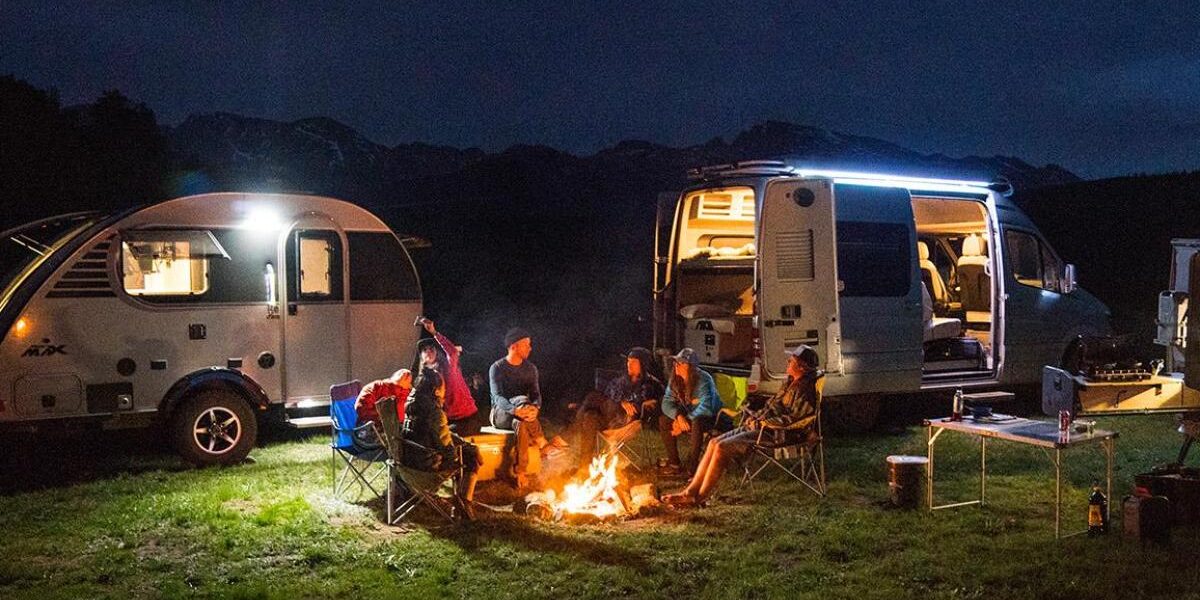
Camping with family brings a different kind of responsibility than going solo or with friends. Safety becomes part of every decision, from where to set up camp to how the day is structured. I’ve learned that family camping works best when safety is woven into the experience instead of treated as a separate checklist. When everyone feels secure, the trip becomes more relaxed and enjoyable.
These camping safety tips for families are shaped by real moments outdoors where preparation mattered. Kids notice more than we think, and they follow the tone adults set. A calm, prepared approach helps children feel confident instead of anxious. Safety does not limit fun; it supports it.
Start With Clear Family Expectations
Before arriving at camp, I make sure everyone understands basic expectations. This includes where kids are allowed to go, what areas are off-limits, and how far they can wander. Clear boundaries reduce confusion and prevent accidents. When expectations are shared early, reminders become easier and less stressful.
I’ve found that involving children in these conversations makes a big difference. They feel included rather than restricted. Asking them to repeat rules in their own words helps confirm understanding. This approach builds awareness instead of fear.
Consistency matters once rules are set. Changing boundaries mid-trip can confuse kids. Predictability creates a sense of safety that carries through the entire experience.
Pick Family-Friendly Campsites
Not all campsites are ideal for families, even if they look appealing online. I look for locations with defined sites, visible boundaries, and nearby amenities. Bathrooms, potable water, and ranger stations add an extra layer of comfort. These features make handling small emergencies much easier.
Campsites away from steep drops, fast-moving water, or heavy traffic feel safer for kids. Open layouts allow better visibility while children play. I prefer places where kids can move freely without constant redirection. A well-chosen site reduces stress for everyone.
Accessibility also plays a role in safety. Sites close to parking areas make it easier to respond if someone needs help. Convenience supports preparedness.
Teach Kids Campsite Awareness
Campsite awareness is one of the most important lessons for children. I spend time walking the site with them and pointing out landmarks. Trees, signs, and tents become reference points. This helps kids stay oriented and reduces the chance of wandering too far.
We talk about what to do if someone feels lost. Staying put and making noise is often safer than wandering. Practicing this idea builds confidence without creating fear. Kids feel empowered when they know what to do.
Awareness extends to noticing hazards. Fire pits, cooking areas, and tools are clearly explained. Education replaces guesswork and reduces accidents.
Practice Campfire Safety Together
Fire safety requires extra attention when kids are involved. I establish a clear boundary around the fire pit and explain why it matters. Kids are curious, so clear rules prevent risky behavior. Demonstrating safe behavior reinforces the message.
I keep a bucket of water or dirt nearby at all times. Kids are shown where it is and why it’s important. Turning safety into part of the routine normalizes it. Everyone understands their role.
Fires are fully extinguished before bedtime or leaving camp. I involve kids in checking the fire, teaching responsibility. This shared task builds respect for fire rather than fear of it.
Prepare for Weather Changes
Weather can change quickly outdoors, especially with children involved. I check forecasts regularly and plan clothing accordingly. Layers allow easy adjustments throughout the day. Being prepared prevents discomfort from turning into a safety issue.
Rain gear and sun protection are always part of our packing list. Wet or overheated kids lose energy fast. Comfort supports safety in subtle but important ways. Proper clothing reduces risk.
We also talk about weather signs at camp. Dark clouds, strong winds, or sudden temperature drops become learning moments. Awareness helps kids feel prepared instead of surprised.
Keep Food and Wildlife Separate
Food safety overlaps with wildlife safety, especially for families. I store food securely and away from sleeping areas. This habit reduces the chance of animals entering camp. Kids are taught never to bring food into tents.
We talk openly about wildlife encounters without exaggeration. Respecting animals means observing from a distance. Clear rules prevent dangerous curiosity. Knowledge replaces fear.
Cleaning up immediately after meals becomes a family routine. Kids help with small tasks, reinforcing responsibility. A clean campsite is a safer campsite.
Pack a Family-Focused First Aid Kit
A first aid kit designed for families looks a bit different. I include items for common kid injuries like scrapes, blisters, and insect bites. Medications are clearly labeled and stored safely. Preparation reduces panic during minor incidents.
I review the kit with older kids so they know what it’s for. This familiarity makes them less anxious if it’s needed. Knowledge builds confidence for everyone. Even small explanations matter.
Knowing basic first aid is just as important as having supplies. I refresh skills regularly before trips. Confidence in handling minor issues improves overall safety.
Stay Organized at Camp
Organization plays a bigger role in safety than many people realize. I assign specific places for gear, food, and tools. Predictable layouts reduce tripping hazards and confusion. Kids know where things belong.
Paths between tents, cooking areas, and restrooms stay clear. I avoid placing items where people walk at night. Headlamps and lanterns are kept accessible. Visibility reduces accidents.
Organization also helps in emergencies. Finding items quickly matters when time counts. A tidy campsite supports calm responses.
Set Rules for Water Safety
Water adds fun to camping but also risk, especially for families. I set clear rules about swimming, wading, and playing near water. Supervision is constant, even in shallow areas. Water safety requires attention at all times.
Life jackets are non-negotiable when boating or near deep water. Kids understand this rule before arriving. Consistency prevents arguments and keeps expectations clear. Safety becomes routine.
We talk about slippery rocks, currents, and cold temperatures. Knowledge helps kids make safer choices. Respect for water replaces overconfidence.
Keep Track of Everyone
Keeping track of family members becomes more important in busy campgrounds. I establish regular check-ins throughout the day. Knowing where everyone is reduces anxiety. Communication keeps the group connected.
Younger kids stay within sight or earshot. Older kids earn more freedom with clear limits. Trust builds gradually and safely. Balance matters.
I also teach kids to identify staff or rangers if they need help. Recognizing uniforms or badges adds security. Preparation supports independence safely.
Manage Tools and Equipment Carefully
Camping tools can pose risks if not handled properly. I explain how each item is used and stored. Sharp or hot tools stay out of children’s reach. Clear rules prevent accidents.
Kids who show interest are supervised while learning. Teaching respect for tools builds responsibility. Curiosity becomes education rather than danger. Confidence grows through guidance.
Equipment is stored consistently after use. Predictability reduces mistakes. Safe habits become part of the routine.
Plan Simple, Safe Activities
Activities shape the tone of family camping trips. I plan activities suited to everyone’s abilities. Overly ambitious plans increase risk and stress. Simpler activities keep energy levels balanced.
Breaks are scheduled throughout the day. Fatigue leads to poor decisions, especially for kids. Rest supports safety and enjoyment. Listening to energy levels matters.
Group activities also make supervision easier. Shared experiences strengthen connection and awareness. Safety feels natural when everyone is engaged together.
Prepare for Nighttime Safety
Nighttime changes the environment quickly. I establish boundaries that stay the same after dark. Kids know where they can and cannot go. Predictability reduces fear.
Lighting is placed strategically around camp. Headlamps are required for moving around. Visibility prevents trips and falls. Simple habits make a big difference.
We also talk about nighttime sounds. Normalizing wildlife noises reduces anxiety. Calm explanations help kids rest easier.
Talk About Emergency Plans
Emergency plans should be discussed calmly, not dramatically. I explain what to do if someone gets hurt or separated. Knowing the plan reduces panic. Preparedness brings confidence.
Meeting points are identified during daylight. Kids know where to go if something goes wrong. Repetition reinforces memory. Simple plans work best.
I keep emergency contacts accessible at all times. Phones are charged and stored safely. Communication supports quick responses.
Encourage Open Communication
Open communication keeps small problems from becoming big ones. I encourage kids to speak up if they feel unsafe or uncomfortable. Listening without judgment builds trust. Safety depends on honesty.
Questions are welcomed, even repeated ones. Reassurance goes a long way outdoors. Understanding builds confidence rather than fear.
Modeling calm responses teaches kids how to react. Emotions set the tone for the group. Stability supports safety.
Balance Freedom and Supervision
Family camping works best with balanced freedom. Kids need room to explore within safe limits. Gradual independence builds confidence. Clear boundaries make freedom possible.
I adjust supervision based on age and environment. Busy areas require closer attention. Quieter spaces allow more independence. Flexibility matters.
Trust grows through experience and communication. Safe exploration becomes part of learning. Balance supports growth and safety.
Practice Leave No Trace Together
Leave No Trace principles support safety as well as conservation. I teach kids to respect nature and shared spaces. Clean campsites reduce hazards. Responsibility becomes a shared value.
Trash is packed out properly. Sharp objects or debris are removed from play areas. Small actions protect everyone. Awareness creates safer environments.
Respecting nature also teaches patience. Observing rather than interfering keeps encounters safe. Values and safety align naturally.
Final Thoughts on Family Camping Safety
Camping safety tips for families focus on preparation, communication, and awareness. Safety becomes part of the rhythm rather than a constant worry. Kids feel secure when adults lead with calm confidence. Shared responsibility strengthens family bonds.
Family camping creates powerful memories when safety supports the experience. Thoughtful planning allows everyone to relax and enjoy the outdoors. Over time, safety habits become second nature. With the right approach, family camping feels both adventurous and secure.
