

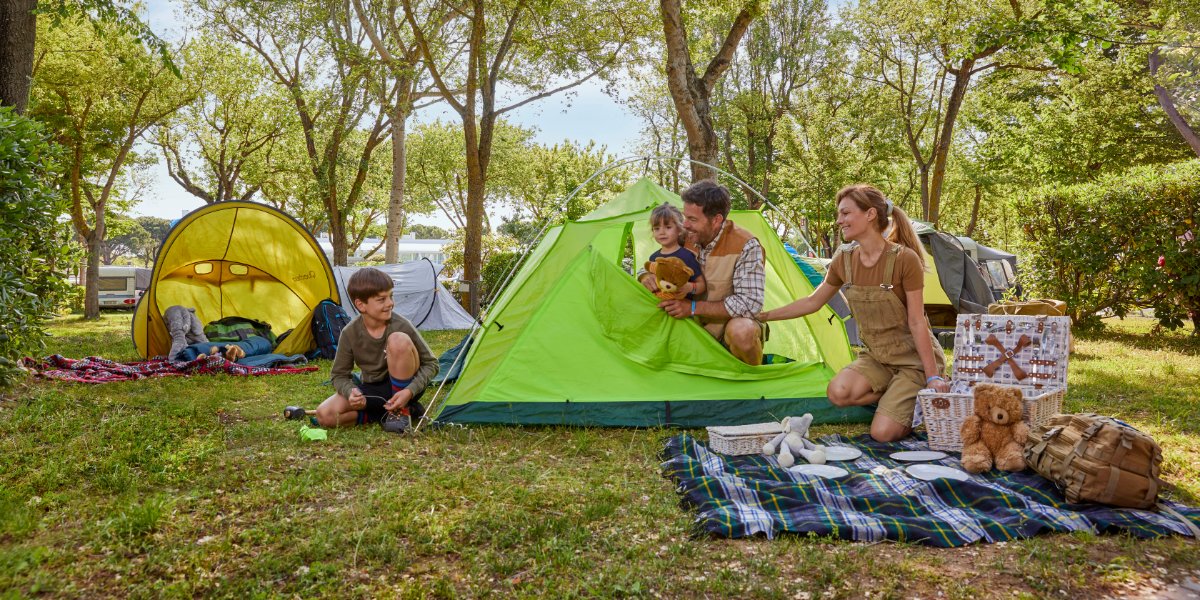
Camping can feel overwhelming at first, especially when everything you own suddenly has to fit into a backpack or car and still work outdoors. I remember standing at my campsite early on, realizing that small decisions made at home had a huge impact once I was surrounded by trees instead of walls. Camping has a way of teaching lessons quickly, often through discomfort, but those lessons are also what make it rewarding. Over time, I’ve learned that preparation and mindset matter just as much as gear.
This guide is written for beginners who want their first few trips to be enjoyable rather than stressful. These are the practical camping tips every beginner should know, based on real experiences rather than theory. Camping doesn’t have to be complicated, but it does require respect for nature, patience, and a bit of planning. With the right approach, even a simple overnight trip can turn into a memory you’ll want to repeat.
Start With the Right Campsite
The campsite itself shapes the entire experience, and beginners often underestimate how important location really is. I’ve found that established campgrounds with marked sites, bathrooms, and clear rules are ideal when starting out. They remove a lot of uncertainty and allow you to focus on learning basic skills rather than solving major problems. A well-maintained campsite also offers peace of mind if something goes wrong.
Accessibility matters more than many people expect. A campsite that’s close to your vehicle or has short walking distances makes setup and breakdown far easier. This is especially helpful if you forget something or need to reorganize your gear. Early trips should prioritize comfort and safety over isolation or adventure.
Pay attention to the ground where you’ll place your tent. Flat, slightly elevated areas prevent water from pooling underneath you if it rains. I’ve slept on uneven ground before, and it affects sleep more than expected. A good night’s rest can make the difference between enjoying the trip and counting the hours until you leave.
Pack Only What You’ll Actually Use
Overpacking is one of the most common beginner mistakes, and I’ve been guilty of it more than once. It’s tempting to bring items “just in case,” but too much gear quickly becomes a burden. Each extra item takes up space, adds weight, and creates clutter at camp. Simpler setups are often more functional and easier to manage.
I’ve learned to think in terms of essentials rather than possibilities. Shelter, food, water, clothing, and basic tools should come first. Once those are covered, a few comfort items like a chair or book can be added. Anything beyond that should earn its place in your pack.
Packing lists are incredibly helpful, especially early on. Writing everything down before the trip reduces the chance of forgetting something important or packing duplicates. Over time, your list naturally gets shorter as you figure out what you truly need. Experience teaches efficiency faster than any checklist found online.
Learn Your Gear Before You Leave Home
Nothing slows down camp setup like trying to assemble unfamiliar gear in fading daylight. I’ve watched beginners struggle with tents they’d never opened before, and I’ve been that person myself. Practicing at home saves time, reduces frustration, and builds confidence. Familiarity with your gear makes the entire trip smoother.
Setting up your tent at least once before leaving is essential. You’ll learn where each pole goes, how the rainfly attaches, and whether anything is missing. This practice also helps you spot defects while you’re still at home. Fixing or replacing gear in advance is far easier than improvising outdoors.
The same principle applies to stoves, lanterns, and water filters. Knowing how they work and how much fuel or batteries they use prevents unpleasant surprises. When everything functions as expected, camping feels relaxing rather than chaotic.
Dress for Changing Weather
Weather rarely behaves exactly as predicted, and beginners are often surprised by how fast conditions change outdoors. I’ve experienced warm afternoons followed by cold nights that felt far colder than expected. Dressing in layers has proven to be the most reliable strategy. It allows quick adjustments without carrying bulky clothing.
Breathable base layers help regulate body temperature during activity. Insulating layers provide warmth when temperatures drop. A waterproof outer layer protects against rain and wind, which can drain warmth quickly. Even on sunny trips, a rain jacket has earned its place in my pack.
Footwear deserves special attention. Comfortable, broken-in shoes or boots make walking around camp enjoyable instead of painful. Wet or blistered feet can ruin a trip faster than almost anything else. Extra socks are a small addition that offers big comfort.
Plan Simple Meals
Food tastes better outdoors, but complicated recipes can turn cooking into a chore. I’ve learned that simple meals are ideal for beginners. Easy-to-cook dishes reduce cleanup, save fuel, and minimize stress. Camp cooking should feel satisfying, not exhausting.
Prepping food at home makes a huge difference. Chopping vegetables, marinating meat, or portioning ingredients ahead of time speeds things up at camp. This also reduces waste and keeps your cooking area organized. Simplicity leaves more time to relax and enjoy the surroundings.
Snacks are just as important as meals. Energy levels drop quickly when you’re active all day. Having quick snacks available prevents hunger from turning into frustration. Food planning is one of those camping tips every beginner should know early on.
Manage Fire and Light Carefully
Fire adds warmth, light, and atmosphere, but it also requires responsibility. I’ve learned to always check campground rules before starting a fire. Some areas restrict fires due to weather or environmental concerns. Respecting these rules protects nature and keeps everyone safe.
Building a fire becomes easier with practice, but beginners should start small. Using established fire rings and keeping water nearby are habits worth developing immediately. Fires should be attended at all times and fully extinguished before leaving camp or going to sleep. Safety always comes before comfort.
Lighting isn’t just about campfires. Headlamps and lanterns make nighttime movement safer and more convenient. I prefer headlamps because they keep my hands free. Good lighting reduces accidents and helps you stay oriented after dark.
Respect Wildlife and Nature
Seeing wildlife is exciting, but close encounters can be dangerous for both humans and animals. I’ve learned to store food securely and never leave scraps behind. Animals associate campsites with food quickly, and that can lead to aggressive behavior. Responsible habits protect everyone involved.
Keeping a clean campsite is one of the simplest ways to avoid problems. Trash should be sealed and disposed of properly. Even crumbs can attract unwanted visitors. Leaving no trace ensures the area remains beautiful for future campers.
Nature isn’t just a backdrop; it’s a living environment. Staying on marked trails, avoiding damage to plants, and minimizing noise shows respect. These habits deepen the camping experience rather than limiting it.
Stay Organized at Camp
Organization reduces stress and saves time, especially for beginners. I’ve noticed that knowing exactly where things are prevents constant searching. Assigning specific spots for gear creates a rhythm at camp. Everything feels more manageable when clutter is under control.
Unpacking strategically helps maintain order. Items used often should be easily accessible. Less-used gear can stay stored away. This approach keeps the campsite functional rather than chaotic.
Before leaving, a quick scan of the area ensures nothing is forgotten. Breaking camp calmly rather than rushing prevents mistakes. Organization is one of those camping tips every beginner should know but often overlook.
Understand Basic Camp Safety
Safety should never feel intimidating, but it should always be taken seriously. I’ve learned to let someone know my plans before leaving, especially when camping in remote areas. Sharing your location and return time adds a layer of security. It’s a simple habit with significant benefits.
A basic first aid kit is essential. Minor cuts, blisters, and burns happen more often than expected. Knowing how to handle small injuries prevents them from becoming bigger problems. First aid knowledge builds confidence in unfamiliar environments.
Weather awareness is another safety factor beginners sometimes ignore. Monitoring forecasts and understanding warning signs helps you prepare. Taking shelter early is always better than reacting too late.
Pace Yourself and Stay Flexible
Camping isn’t about doing everything at once. Early trips taught me that slower days are often the most enjoyable. Overloading schedules leads to exhaustion rather than fulfillment. Allowing time to rest makes the experience more balanced.
Flexibility matters because plans change outdoors. Weather, energy levels, and unexpected challenges all influence the day. Accepting adjustments instead of resisting them keeps morale high. Camping rewards patience more than rigid planning.
Listening to your body is important. Fatigue increases the risk of mistakes and injuries. Taking breaks and staying hydrated keeps you alert and comfortable throughout the trip.
Practice Leave No Trace Principles
Leaving a campsite better than you found it creates a sense of responsibility and pride. I’ve made it a habit to pick up any trash I see, even if it isn’t mine. Small actions add up to meaningful impact. Respect for nature goes beyond personal enjoyment.
Campfire remains should be cleaned properly. Ashes need to be disposed of according to local guidelines. This prevents damage and reduces fire risk. Thoughtful cleanup reflects good camping etiquette.
These practices also teach beginners that camping isn’t about ownership of space. It’s about temporary coexistence with nature. That mindset transforms how the outdoors feels.
Build Confidence Through Experience
Confidence grows with each trip, even when things don’t go perfectly. Early mistakes taught me more than flawless outings ever could. Camping is a skill built through repetition and reflection. Each experience adds to your comfort level.
Taking notes after trips helps track what worked and what didn’t. Adjusting packing lists and routines improves future outings. This process turns beginners into capable campers over time.
Camping tips every beginner should know become second nature with practice. The outdoors begins to feel familiar rather than intimidating. Confidence comes from preparation and experience working together.
Enjoy the Simple Moments
Camping isn’t only about skills or gear. Some of my favorite memories come from quiet mornings and slow evenings. Watching light change through trees or listening to nighttime sounds creates a sense of calm. These moments are easy to miss if you’re focused only on tasks.
Disconnecting from daily distractions allows deeper presence. Even basic activities feel meaningful outdoors. Meals, conversations, and rest take on new value. Camping reminds me to appreciate simplicity.
Enjoyment grows when expectations are realistic. Perfection isn’t the goal. Connection with nature and personal growth matter more than flawless execution.
Final Thoughts on Camping for Beginners
Camping becomes more enjoyable when beginners focus on preparation, awareness, and respect for the environment. These camping tips every beginner should know are rooted in real experience rather than theory. Each trip offers lessons that build confidence and appreciation for the outdoors. Mistakes are part of the process and often become the best teachers.
Starting simple, staying flexible, and respecting nature create a strong foundation. Over time, camping transforms from a challenge into a comfortable escape. The outdoors rewards patience and curiosity. With these principles in mind, every beginner has the potential to become a capable and confident camper.
