

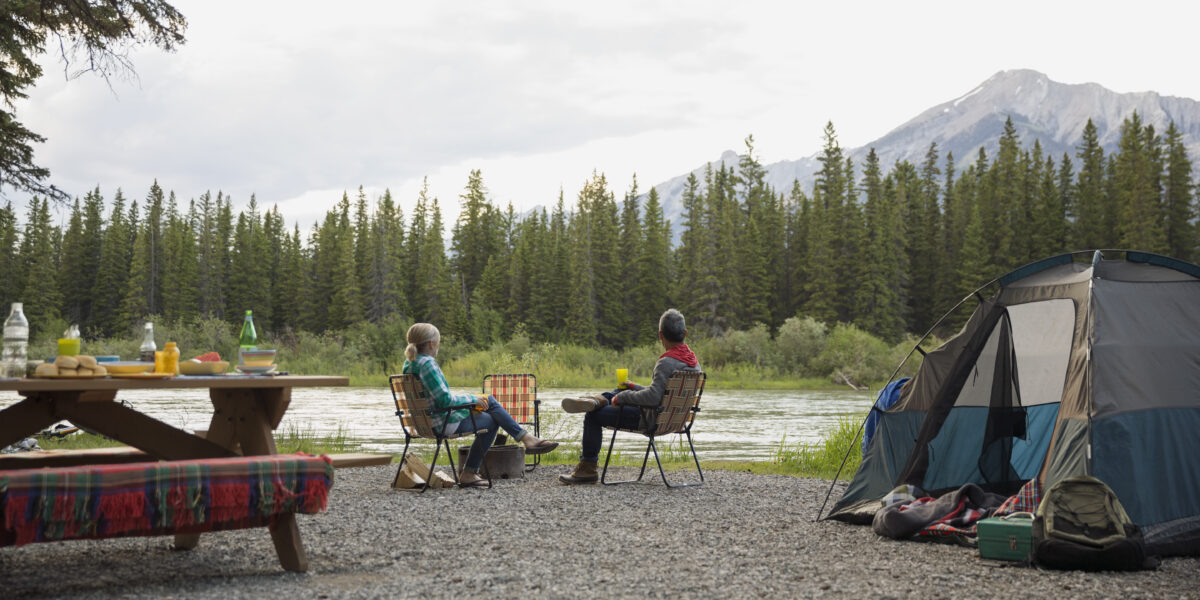
Hot summer camping brings a completely different set of challenges than cooler seasons. Heat changes how the body reacts, how gear performs, and how energy levels rise and fall throughout the day. I’ve spent enough hot nights in tents and long afternoons under the sun to know that comfort in summer camping depends on smart decisions rather than toughness. Heat doesn’t have to ruin a trip, but ignoring it usually does.
Camping tips for hot summer weather are about working with the environment instead of fighting it. Small adjustments in planning, timing, and habits can turn an exhausting trip into an enjoyable one. Summer camping rewards patience, awareness, and flexibility. With the right approach, hot weather becomes manageable rather than overwhelming.
Pick Campsites With Natural Shade
Shade becomes one of the most valuable resources during hot weather camping. I always look for campsites with mature trees or natural rock formations that block direct sunlight. Shade lowers temperatures significantly, especially during the hottest part of the day. Even a few hours of relief makes a noticeable difference.
Campsites near forests or valleys often stay cooler than open fields. Morning and afternoon shade matters more than midday shade alone. I pay attention to where the sun rises and sets before setting up camp. Positioning the tent wisely reduces heat buildup inside.
Avoiding exposed, open campsites has saved me from miserable afternoons. Shade creates a more livable camp environment. Comfort starts with location.
Set Up Camp With Airflow in Mind
Airflow plays a major role in staying cool. I position my tent to take advantage of natural breezes whenever possible. Even light airflow helps regulate temperature inside the tent. Blocking airflow traps heat and makes resting uncomfortable.
Tent doors and vents should face the direction of prevailing winds. Opening vents during the day allows hot air to escape. Mesh panels improve ventilation without sacrificing protection. These details add up over time.
Camp layout matters too. Avoid placing tents too close together or against solid barriers. Open space encourages airflow and keeps the camp feeling breathable.
Use the Right Tent for Summer Conditions
Tent choice affects heat management more than many people realize. I prefer tents with large mesh panels and minimal solid fabric for summer trips. Ventilation becomes more important than insulation in hot weather. Breathable designs make nights far more comfortable.
Double-wall tents with removable rainflies allow better airflow. Removing the rainfly on clear nights reduces trapped heat. Weather conditions guide these decisions. Flexibility improves comfort.
Dark-colored tents absorb more heat than lighter ones. While design matters, color plays a role too. Small choices like this help manage temperature naturally.
Adjust Daily Schedules Around Heat
Heat peaks during certain hours, and I plan activities around that reality. Early mornings and evenings become the most active parts of the day. Midday hours are reserved for rest, shade, or water-based activities. This rhythm prevents exhaustion.
Trying to push through peak heat leads to fatigue and frustration. Slowing down preserves energy and keeps the experience enjoyable. Camping doesn’t require constant movement. Rest becomes part of the plan.
Adapting schedules reduces risk of heat-related issues. Listening to the environment improves decision-making. Timing matters as much as preparation.
Stay Hydrated Consistently
Hydration is non-negotiable during hot summer camping. I drink water regularly instead of waiting until I feel thirsty. Heat increases fluid loss even during light activity. Consistent hydration maintains energy and focus.
Electrolytes help replace minerals lost through sweat. I include simple electrolyte drinks or snacks in my packing list. Balance matters, especially during long days. Water alone may not be enough.
I also monitor urine color as a simple hydration check. Clear or light-colored urine indicates proper hydration. Awareness prevents dehydration before it becomes a problem.
Wear Lightweight and Breathable Clothing
Clothing choices influence comfort more than expected. I wear lightweight, loose-fitting fabrics that allow airflow. Breathable materials help sweat evaporate rather than trapping heat. Comfort improves immediately.
Light colors reflect sunlight better than dark ones. This simple adjustment reduces heat absorption. Long sleeves can actually help by protecting skin from direct sun exposure.
Hats provide shade for the face and neck. Wide-brimmed hats offer better coverage than caps. Proper clothing acts as portable shade.
Protect Skin From Sun Exposure
Sun exposure adds to heat stress and discomfort. I apply sunscreen regularly, even on cloudy days. Sunburn increases body temperature and drains energy. Prevention matters more than treatment.
Protective clothing reduces reliance on sunscreen alone. Lightweight long sleeves and neck coverings help block UV rays. Combining methods offers better protection.
I also seek shade during peak sun hours whenever possible. Limiting direct exposure preserves energy. Sun management supports overall comfort.
Plan Meals That Match the Heat
Heavy meals feel less appealing in hot weather. I plan lighter meals that require minimal cooking. Fresh foods, wraps, and simple snacks work well. Eating lightly reduces internal heat production.
Cooking during cooler hours minimizes heat around camp. Breakfast and dinner become primary cooking times. Midday meals stay simple and no-cook when possible.
Proper food storage becomes more important in heat. Perishable items require extra attention. Planning meals carefully prevents waste and discomfort.
Use Water to Cool Down Safely
Water offers effective relief from heat when used wisely. Swimming, wading, or soaking feet helps lower body temperature. Even brief exposure provides noticeable cooling. Natural water sources add comfort to hot trips.
I remain cautious around water safety. Slippery rocks, currents, and cold shock require awareness. Cooling off should never compromise safety.
Using damp cloths or bandanas around the neck also helps. Evaporative cooling works surprisingly well. Simple methods make a difference.
Create Shade at Camp
Sometimes natural shade isn’t enough. I use tarps or canopies to create additional shaded areas. These spaces become central gathering spots during the day. Shade structures improve livability.
Positioning shade to block afternoon sun matters most. Adjustments throughout the day keep coverage effective. Flexibility improves results.
Portable shade expands usable space at camp. It allows cooking, relaxing, and socializing without constant sun exposure. Comfort increases dramatically.
Manage Tent Heat During the Day
Tents can become heat traps during the day. I avoid spending unnecessary time inside during peak heat. Opening vents and doors allows air circulation. Proper ventilation reduces interior temperatures.
Covering the tent with reflective tarps can help. Creating an air gap between the tarp and tent improves insulation. Shade plus airflow works best.
I also avoid storing heat-sensitive items inside tents. Electronics and food handle heat poorly. Smart storage protects gear.
Sleep Strategies for Hot Nights
Sleeping in hot weather requires adjustments. I use lightweight sleeping bags or sheets instead of heavy insulation. Ventilation becomes the priority. Comfort improves with fewer layers.
Sleeping pads with breathable surfaces reduce trapped heat. Elevating slightly improves airflow beneath the body. Small changes affect sleep quality.
I also adjust sleep positions. Spreading out increases airflow across the body. Comfort leads to better rest.
Keep Campsite Clean and Odor-Free
Heat intensifies smells and attracts insects. I clean food areas promptly and store waste securely. Clean campsites feel more comfortable and safer. Hygiene matters more in hot conditions.
Washing hands and face regularly helps regulate body temperature. Cooling water refreshes the body and mind. Simple routines improve comfort.
Cleanliness also supports morale. Comfortable environments reduce irritability caused by heat. Order helps calm the mind.
Watch for Signs of Heat Stress
Heat affects people differently, and awareness is essential. I pay attention to early signs like dizziness, fatigue, and headaches. Addressing symptoms early prevents escalation. Listening to the body matters.
Rest, shade, and hydration are immediate responses. Cooling the body takes priority over activities. Recovery requires patience.
I also watch others in the group. Heat stress can affect judgment. Mutual awareness improves safety.
Limit Alcohol and Caffeine
Alcohol and caffeine affect hydration and body temperature. I limit consumption during hot weather camping. Staying hydrated takes priority. Choices influence comfort and safety.
Alcohol increases dehydration and impairs heat regulation. Hot weather amplifies these effects. Moderation matters more than usual.
Caffeine increases fluid loss if not balanced with water. Awareness supports better decisions. Comfort improves with mindful intake.
Store Gear With Heat in Mind
Heat affects gear performance and durability. I store items out of direct sunlight whenever possible. Shade extends the life of equipment. Protection prevents damage.
Batteries, electronics, and food require extra care. Heat degrades performance and safety. Smart storage reduces risk.
Organized storage also improves airflow. Avoid stacking items tightly in heat. Circulation helps regulate temperature.
Plan Activities Near Water or Shade
Activity planning influences overall comfort. I choose hikes near water sources or shaded trails. Cooler environments support endurance. Enjoyment increases naturally.
Midday activities remain low-impact. Reading, resting, or socializing under shade fits the heat. Pacing preserves energy.
Active adventures shift to mornings or evenings. Timing supports both safety and enjoyment. Balance matters.
Teach Heat Awareness to Everyone
Group camping requires shared awareness. I talk openly about heat management with companions. Everyone plays a role in staying safe. Communication prevents problems.
Encouraging breaks and hydration normalizes self-care. No one feels pressured to push through discomfort. Group culture supports safety.
Awareness builds confidence. Prepared groups adapt better. Heat becomes manageable rather than intimidating.
Embrace Slower Camping Rhythms
Hot weather naturally slows the pace of camping. I accept that reality instead of resisting it. Slower rhythms reduce stress and improve comfort. Rest becomes part of the experience.
Observing nature, listening to sounds, and enjoying shade bring value. Productivity isn’t the goal. Presence matters more.
Summer camping rewards patience. Letting go of urgency improves enjoyment. Slowing down aligns with the environment.
Final Thoughts on Camping in Hot Summer Weather
Camping tips for hot summer weather focus on adaptation rather than endurance. Heat doesn’t have to dominate the experience when approached thoughtfully. Shade, hydration, timing, and awareness form the foundation of comfort. Small habits create big improvements.
Hot weather camping becomes enjoyable when expectations align with conditions. Respecting heat leads to safer and more relaxed trips. With the right mindset and preparation, summer camping feels refreshing rather than exhausting. The outdoors remains welcoming, even under the sun.
