

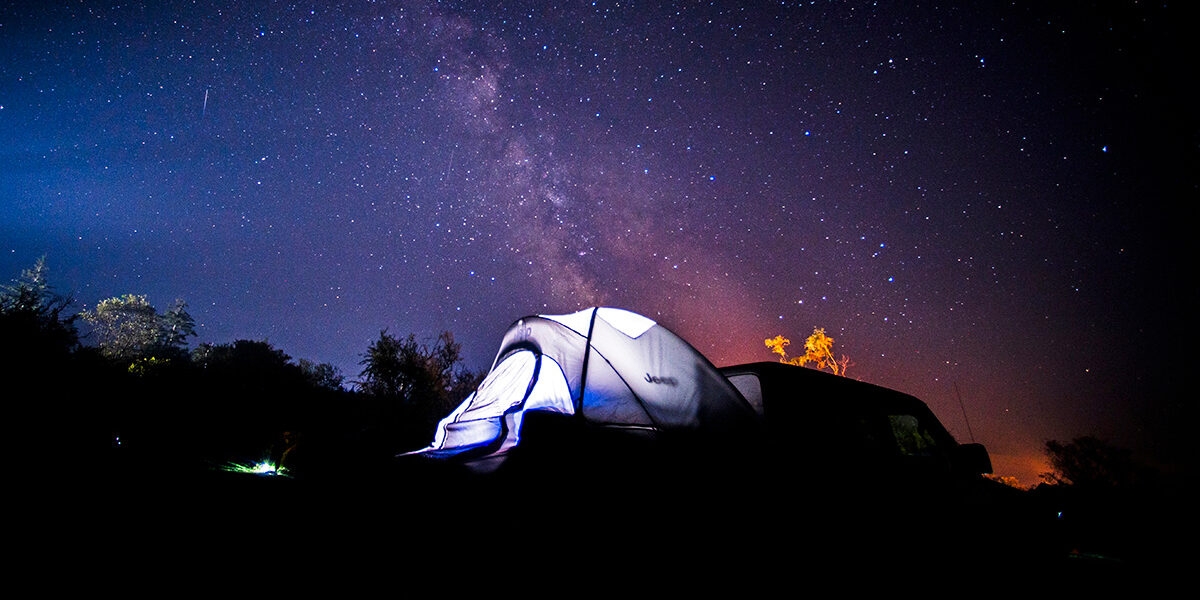
Camping under a clear night sky changes how I experience the outdoors. Once the sun disappears and artificial light fades away, the landscape feels larger and quieter. Stars begin to dominate the sky, and familiar constellations slowly emerge while distant galaxies hint at how vast everything really is. Stargazing while camping creates moments that feel deeply personal and unhurried.
The best camping locations for stargazing combine darkness, elevation, and open views. Light pollution, humidity, and crowded campgrounds can dull the experience, even in beautiful places. I focus here on destinations where the night sky becomes a central feature rather than a background detail. These locations allow the stars to take center stage and reward patience with unforgettable nights.
Big Bend National Park
Big Bend National Park stands out as one of the darkest places in the United States. Its remote location in West Texas keeps city lights far away, allowing the night sky to appear dense and layered. I notice how quickly my eyes adjust here, revealing more stars than I ever expect. Camping in Big Bend feels like stepping into a natural observatory.
Campgrounds are spread across desert and mountain environments, offering different perspectives of the sky. Open desert sites provide wide horizons, while higher elevation areas add clarity and depth. The dry air enhances visibility, making constellations appear sharper. Even casual stargazing sessions turn into long, quiet hours of observation.
Nights cool down significantly, encouraging campers to slow their pace. Silence settles across the landscape, broken only by wind or distant wildlife. Big Bend delivers stargazing that feels immersive and humbling. The sky here never feels empty.
Death Valley National Park
Death Valley National Park offers extreme landscapes paired with extraordinary night skies. Despite its harsh reputation, the park becomes calm and expansive after sunset. I find the contrast between daytime heat and nighttime stillness especially striking. Once darkness falls, the sky fills with stars from horizon to horizon.
Camping areas in Death Valley often sit far from major roads and development. This isolation keeps light pollution to a minimum. Clear desert air allows stars to shine intensely, revealing faint clusters and the Milky Way with ease. The vastness of the valley amplifies the sense of scale overhead.
Warm nights make stargazing comfortable for long stretches. Campers often remain outside well past midnight without noticing time pass. Death Valley proves that even extreme environments can offer serene and rewarding stargazing. The sky feels endless here.
Great Basin National Park
Great Basin National Park in Nevada is widely recognized for its exceptional darkness. The park’s remote location and high elevation combine to create remarkable viewing conditions. I appreciate how quiet and uncrowded the campgrounds tend to be. This calm atmosphere enhances focus on the sky.
Camping areas sit among ancient bristlecone pines and open basins. The elevation reduces atmospheric distortion, making stars appear steady and bright. On clear nights, the Milky Way stretches vividly across the sky. Even subtle celestial features become visible with the naked eye.
Ranger programs often emphasize astronomy, adding depth to the experience. Even without guidance, the sky itself provides endless fascination. Great Basin offers stargazing that feels pure and uninterrupted. Nights here feel timeless.
Joshua Tree National Park
Joshua Tree National Park blends desert solitude with accessible camping and excellent stargazing. The park’s elevation and dry climate support clear night skies throughout much of the year. I enjoy how the rock formations frame the horizon, adding visual interest during nighttime viewing. Camping here feels both creative and contemplative.
Campgrounds are spaced out and intentionally simple. This simplicity reduces unnecessary lighting and distractions. Stars appear sharp and plentiful, especially during moonless nights. The Milky Way often stands out clearly against the dark sky.
Cool desert nights encourage stillness and reflection. Campers frequently spread blankets and lie back for extended viewing sessions. Joshua Tree delivers stargazing that feels artistic and expansive. The experience lingers long after sunrise.
Bryce Canyon National Park
Bryce Canyon National Park offers high-elevation stargazing paired with unique geological formations. The park sits above much of the surrounding atmosphere, which improves visibility significantly. I find that stars here seem closer and brighter than expected. Camping in this environment heightens awareness of both sky and land.
Campgrounds are positioned near open areas that provide clear views of the horizon. Hoodoos and cliffs create silhouettes that add depth without blocking the sky. Cooler temperatures at night improve comfort during long observation sessions. The stillness feels profound.
Ranger-led astronomy programs add structure for those interested in deeper exploration. Even without guidance, the sky commands attention. Bryce Canyon delivers stargazing that feels crisp and immersive. Each night becomes a quiet event.
Canyonlands National Park
Canyonlands National Park offers dramatic landscapes paired with remarkably dark skies. The park’s vastness and isolation limit artificial light, allowing stars to dominate the night. I find the combination of deep canyons and open mesas especially compelling. The terrain seems to echo the depth of the sky.
Camping areas are spread across remote sections of the park. Open horizons provide uninterrupted views, making constellation tracking easy. Dry air enhances clarity, revealing subtle details overhead. Even brief glances upward feel rewarding.
Nights often feel completely still, amplifying awareness of the sky. Campers naturally speak less and observe more. Canyonlands offers stargazing that feels vast and introspective. The experience encourages quiet attention.
Glacier National Park
Glacier National Park offers stargazing shaped by mountain silhouettes and crisp alpine air. While not as remote as desert parks, many campgrounds still experience minimal light pollution. I notice how the cool air sharpens visibility, especially on clear nights. Stars feel steady and well-defined.
Mountain ridgelines frame the sky, creating dramatic contrasts between darkness and light. Campgrounds near lakes reflect stars during calm conditions, doubling the visual impact. Wildlife sounds occasionally break the silence, adding texture to the experience. Stargazing here feels alive and dynamic.
Weather can change quickly, but clear nights are deeply rewarding. Campfires often burn low as attention turns upward. Glacier delivers stargazing that feels balanced between wilderness and comfort. The sky becomes part of the mountain story.
Mauna Kea State Recreation Area
Mauna Kea State Recreation Area in Hawaii offers one of the most unique stargazing experiences available. High elevation and minimal atmospheric interference create exceptional viewing conditions. I find the clarity here almost surreal. Stars appear brighter and more numerous than in most places.
Camping at lower elevations allows gradual adjustment while still benefiting from dark skies. The volcanic landscape adds an otherworldly feel to nighttime observation. Even familiar constellations appear different at this latitude. The sky feels fresh and unfamiliar.
Cool nights contrast sharply with daytime warmth. Silence and altitude encourage stillness and focus. Mauna Kea delivers stargazing that feels scientific and spiritual at the same time. The experience feels rare and profound.
Cherry Springs State Park
Cherry Springs State Park in Pennsylvania stands out as a dedicated dark sky destination. The park actively limits light pollution and promotes nighttime observation. I appreciate how intentionally the area is managed for stargazing. Camping here feels purposeful and focused.
Open fields provide wide views of the sky with minimal obstruction. Facilities are designed to support nighttime activity without disrupting darkness. On clear nights, the Milky Way becomes a dominant feature overhead. Even casual observers notice details rarely visible elsewhere.
Campers often gather quietly, sharing observations and pointing out features. The sense of shared curiosity enhances the experience. Cherry Springs offers stargazing that feels communal and educational. Nights here feel special by design.
Anza-Borrego Desert State Park
Anza-Borrego Desert State Park offers desert stargazing with a quieter atmosphere than more famous parks. Its proximity to urban areas contrasts sharply with the darkness found inside the park. I find the sudden transition from city lights to deep darkness striking. Camping here feels like discovering a hidden refuge.
Open desert landscapes provide uninterrupted views of the sky. Dry air enhances visibility, revealing star clusters and planets clearly. The park’s vastness allows campers to spread out and find solitude. Stargazing becomes a personal experience shaped by stillness.
Warm nights make extended observation comfortable. Silence settles quickly after sunset. Anza-Borrego delivers stargazing that feels accessible yet deeply rewarding. The sky feels close and engaging.
Black Canyon of the Gunnison National Park
Black Canyon of the Gunnison National Park offers dramatic stargazing framed by steep canyon walls. The depth of the canyon adds a unique sense of enclosure. I notice how the darkness feels thicker here, enhancing contrast in the sky. Camping near the rim heightens the experience.
Limited development keeps artificial light low. Stars appear vivid against the blackness of the canyon. Wind often moves quietly through the area, adding subtle sound to the night. The environment encourages focused observation.
Cool nights invite warm layers and long periods of stillness. The canyon seems to disappear as the sky takes over. Black Canyon delivers stargazing that feels intense and immersive. The experience feels concentrated and powerful.
What Makes Stargazing While Camping Special
Stargazing while camping differs from casual sky watching at home. Darkness feels deeper, and distractions fade away naturally. I find that camping allows time for eyes to adjust fully, revealing layers of stars often missed elsewhere. The experience becomes slower and more deliberate.
Natural surroundings enhance awareness. Sounds, temperature shifts, and subtle movements add texture to each moment. Stargazing becomes more than visual observation. It turns into a full sensory experience.
Camping also creates space for reflection. Lying under the stars invites quiet thought and perspective. The sky becomes a reminder of scale and connection. These moments tend to linger in memory.
Preparing for Stargazing-Focused Camping Trips
Preparation improves stargazing success significantly. Checking moon phases, weather forecasts, and light pollution maps shapes expectations. I have learned that patience matters as much as planning. Clear skies reward those who wait.
Warm layers, comfortable seating, and red-light headlamps support longer observation sessions. Simple tools like star charts or apps enhance appreciation without dominating attention. Preparation removes friction from the experience. It allows focus to remain on the sky.
Respect for darkness matters as well. Minimizing artificial light preserves the experience for everyone. Responsible practices support both enjoyment and conservation. Preparation helps protect these rare night environments.
Why Stargazing Destinations Leave a Lasting Impression
Stargazing camping trips often stand out among outdoor experiences. The combination of stillness and vastness reshapes how I think about time and space. Nights feel longer and more meaningful. The sky becomes a shared focal point.
The best camping locations for stargazing offer more than darkness. They provide quiet, perspective, and a sense of wonder. Each destination reveals the night sky in a slightly different way. That diversity keeps the experience fresh.
Returning from a stargazing trip often brings a renewed sense of calm. The memory of stars overhead lingers during daily routines. Camping under dark skies reminds me how much exists beyond immediate surroundings. That reminder feels both humbling and comforting.
