

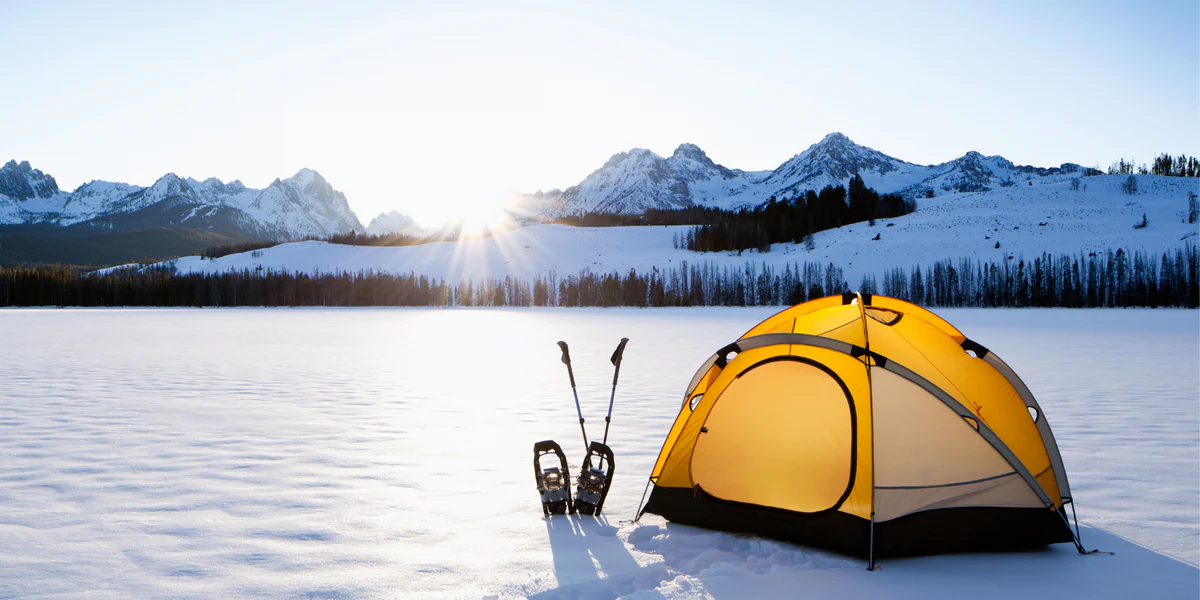
Cold-weather camping feels intimidating at first, but it doesn’t have to be uncomfortable or miserable. I’ve learned that cold trips reward preparation far more than toughness. When temperatures drop, small details matter, and ignoring them usually leads to sleepless nights and low morale. With the right approach, camping in cold conditions can be quiet, peaceful, and surprisingly enjoyable.
Cold-weather camping tips for beginners focus on managing warmth, moisture, and energy. The cold magnifies mistakes, but it also highlights good habits. Once the basics are handled, cold camping becomes less about survival and more about appreciating still mornings and crisp air. Confidence grows quickly when preparation meets experience.
Start With a Realistic Cold-Weather Mindset
Cold-weather camping requires a shift in expectations. I don’t expect constant comfort the same way I might in mild conditions. Instead, I focus on staying warm enough, dry enough, and rested enough. Accepting that reality helps avoid frustration.
Cold amplifies discomfort when expectations are unrealistic. Simple tasks take longer, and rest becomes more important. Patience becomes part of the plan rather than a reaction. This mindset reduces stress before the trip even begins.
Approaching cold camping calmly improves decision-making. Rushing leads to mistakes that cost warmth and energy. A steady pace supports safety and enjoyment.
Check Weather Forecasts and Conditions Carefully
Cold-weather forecasts deserve close attention. I check not only temperatures but also wind, precipitation, and overnight lows. Wind chill can make conditions feel far colder than the numbers suggest. Planning without this information leads to underprepared trips.
Snow, rain, or freezing drizzle changes everything. Wet cold feels harsher than dry cold. Knowing what kind of weather to expect guides clothing and shelter choices. Information replaces guesswork.
I also plan exit options based on weather changes. Flexibility matters more in cold conditions. Preparation includes knowing when to adjust or leave.
Pick Sheltered Campsites
Campsite selection becomes critical in cold weather. I look for natural windbreaks like trees, hills, or rock formations. Wind strips warmth quickly, even with good gear. Shelter makes a noticeable difference.
Low-lying areas can trap cold air overnight. I prefer slightly elevated sites that still offer protection. Balance matters when choosing a spot.
Avoiding exposed ridgelines and open fields helps preserve warmth. A protected campsite feels calmer and more manageable. Location sets the tone for the entire trip.
Use a Cold-Appropriate Tent Setup
Tent setup matters more in cold weather than many beginners realize. I make sure the tent is fully staked and sealed to block drafts. Even small gaps allow cold air inside. Attention to detail improves warmth.
I orient the tent entrance away from prevailing winds. This reduces heat loss when opening the door. Small adjustments add comfort.
Snow or frozen ground requires proper stakes or anchors. Secure tents retain warmth better. Stability supports rest.
Invest in the Right Sleeping System
Sleep determines how the next day feels in cold weather. I focus on the entire sleeping system, not just the sleeping bag. A cold-rated sleeping bag is essential, but it’s only part of the equation. Insulation from the ground matters just as much.
Sleeping pads with good insulation prevent heat loss to the ground. I often use two pads for extra protection. This simple step dramatically improves warmth.
I also wear dry sleep clothes reserved only for sleeping. Changing before bed preserves body heat. Comfort improves immediately.
Layer Clothing Properly
Layering works better than relying on one thick item. I use a base layer to manage moisture, an insulating layer for warmth, and an outer layer to block wind. Each layer serves a purpose. Flexibility allows adjustments as conditions change.
Avoiding cotton is important in cold weather. Cotton traps moisture and steals warmth. Synthetic or wool layers perform better.
I adjust layers frequently instead of sweating. Staying dry matters more than staying warm during activity. Moisture becomes the enemy once movement stops.
Manage Moisture Constantly
Moisture management separates comfortable cold trips from miserable ones. Sweat, snow, and condensation all reduce warmth. I slow down to prevent overheating during activity. Staying slightly cool prevents sweat buildup.
Wet clothing gets changed immediately. I never sleep in damp clothes. Dryness supports warmth overnight.
Ventilation matters even in cold weather. Allowing moisture to escape reduces condensation. Balance between warmth and airflow keeps gear dry.
Eat High-Energy Foods
Cold weather increases calorie needs. I plan meals with higher fat and protein content. These nutrients help generate and maintain body heat. Energy supports warmth.
Warm meals boost morale and body temperature. Hot drinks provide comfort beyond hydration. Cooking becomes part of staying warm.
I snack regularly rather than waiting for hunger. Energy drops faster in cold conditions. Consistent intake supports stability.
Stay Hydrated Despite the Cold
Cold reduces thirst signals, but hydration remains essential. I make a point to drink water regularly. Dehydration worsens cold sensitivity. Awareness prevents problems.
Warm drinks encourage hydration. I carry insulated bottles to prevent freezing. Accessibility matters.
Monitoring hydration helps maintain energy. Cold-weather hydration requires intention. Small habits make a big difference.
Use Proper Cold-Weather Footwear
Feet lose heat quickly, especially on cold ground. I wear insulated, waterproof footwear suited to conditions. Dry feet feel warmer than thick socks alone.
Sock choice matters. I use moisture-wicking liners and insulating outer socks. Layering works for feet too.
I avoid overly tight footwear. Circulation keeps feet warm. Comfort supports movement and safety.
Protect Hands, Face, and Head
Extremities suffer most in cold conditions. I carry multiple glove options for different activities. Flexibility allows dexterity without sacrificing warmth.
Head and face coverage prevents heat loss. Hats, balaclavas, or neck gaiters help regulate temperature. Protection improves comfort immediately.
Wind exposure intensifies cold. Covering exposed skin reduces risk of frost-related issues. Prevention matters.
Plan Activities Carefully
Cold limits how long intense activity can be sustained. I plan shorter, manageable outings. Overexertion leads to sweat and fatigue. Balance preserves warmth.
Breaks are taken in sheltered areas. Standing still in wind drains heat quickly. Strategic pauses support recovery.
I prioritize safety over distance or goals. Cold conditions reward conservative planning. Success means returning comfortable.
Use Fire Safely and Effectively
Fire provides warmth and comfort, but it requires responsibility. I follow local regulations and fire safety practices. Fire becomes a tool, not a crutch.
I never rely solely on fire for warmth. Clothing and shelter must provide baseline protection. Fire supplements comfort.
Keeping fires small and controlled conserves energy. Efficiency matters in cold conditions. Safety remains the priority.
Organize Camp to Preserve Warmth
Camp organization affects warmth more than expected. I keep essential items within reach to avoid unnecessary exposure. Efficiency reduces time spent in the cold.
Nighttime organization matters especially. Headlamps, gloves, and layers are placed accessibly. Preparation prevents fumbling.
A tidy camp supports calm responses. Cold magnifies stress. Organization reduces friction.
Adjust Evening Routines
Evenings require careful planning in cold weather. I eat dinner earlier to fuel warmth before rest. Activity tapers off gradually rather than stopping abruptly. Transition matters.
I prepare sleeping gear before temperatures drop further. Readiness prevents rushing later. Calm routines support warmth.
Evening habits influence sleep quality. Thoughtful pacing improves rest. Cold nights demand preparation.
Ventilate the Tent Properly
Ventilation feels counterintuitive in cold weather, but it’s essential. I open vents to reduce condensation buildup. Moisture inside the tent steals warmth. Balance matters.
Managing airflow keeps sleeping gear dry. Dry insulation performs better. Comfort improves overnight.
I adjust ventilation based on conditions. Wind, humidity, and temperature guide decisions. Awareness prevents dampness.
Keep Electronics and Water From Freezing
Cold affects gear performance. I store electronics close to my body at night. Warmth preserves battery life. Protection prevents failure.
Water bottles are insulated or stored upside down. Ice forms at the top first. Simple tricks maintain access.
Planning for freezing conditions reduces frustration. Preparation saves time and energy. Reliability matters.
Learn Basic Cold-Weather Safety Signs
Cold-related issues can develop quietly. I watch for signs of numbness, confusion, or excessive shivering. Early recognition prevents escalation. Awareness saves trips.
I encourage open communication in groups. Speaking up about discomfort prevents risk. Support builds safety.
Responding early makes solutions simple. Cold camping rewards attentiveness. Listening to the body matters.
Practice Packing and Setup Beforehand
Cold makes everything harder. I practice packing and setup before trips. Familiarity reduces exposure time. Efficiency preserves warmth.
Knowing gear prevents fumbling with gloves off. Confidence improves speed. Preparation pays off.
Rehearsal builds calm. Cold magnifies stress. Familiar routines support comfort.
Limit Alcohol Consumption
Alcohol creates a false sense of warmth. I avoid drinking heavily in cold conditions. It impairs judgment and increases heat loss. Safety takes priority.
Warm drinks without alcohol provide comfort. Choice matters more in cold weather. Awareness supports good decisions.
Responsible habits protect warmth. Clarity supports safety. Cold demands respect.
Embrace Shorter Days and Longer Nights
Cold-weather camping often means longer nights. I bring activities suited to low light and limited movement. Reading, journaling, or quiet conversation fit the pace. Acceptance improves enjoyment.
Rest becomes part of the experience. Slowing down conserves energy. Cold encourages reflection.
Adjusting expectations prevents boredom. Quiet moments become meaningful. Stillness adds value.
Build Confidence Gradually
Cold-weather camping skills grow with experience. I start with short trips before committing to longer ones. Gradual exposure builds confidence. Progress feels natural.
Each trip teaches lessons. Adjustments improve comfort. Learning happens through repetition.
Confidence replaces anxiety over time. Prepared beginners become capable campers. Experience becomes the best guide.
Final Thoughts on Cold-Weather Camping for Beginners
Cold-weather camping tips for beginners center on preparation, patience, and awareness. Warmth depends on systems working together rather than single solutions. Small habits protect comfort and safety. Confidence grows through thoughtful planning.
Cold camping offers unique rewards when approached correctly. Quiet landscapes, crisp air, and fewer crowds create memorable experiences. With the right mindset and preparation, cold weather becomes manageable rather than intimidating. The outdoors remains inviting, even when temperatures drop.
