

Camping has a way of exposing small oversights that would barely matter at home. Out in the wild, minor errors can snowball into uncomfortable nights, wasted time, or situations that feel far more stressful than they should. Over the years, I have learned that most camping problems are predictable and completely avoidable with the right mindset and preparation. This article focuses on practical camping tips to avoid common mistakes that I see beginners and even experienced campers make again and again.
Planning Beyond the Campsite
A successful trip begins long before I pack the car or shoulder a backpack. One of the most common mistakes I see is focusing only on the destination and ignoring the details that shape the experience. I now spend time researching the area, checking local regulations, and understanding what services are nearby. That extra effort saves frustration once I arrive.
I also pay attention to access points, parking rules, and whether permits are required. Many campsites have restrictions on fires, pets, or food storage that can catch people off guard. Planning these details ahead of time allows me to adapt my gear and expectations accordingly.
Packing With Purpose
Overpacking is a mistake I made more than once, and underpacking caused even more problems. Finding the balance between the two took time and honest reflection after each trip. I now pack based on the environment, the season, and the length of my stay rather than habit or fear of being unprepared.
I rely on a checklist that I refine every year. It helps me avoid forgetting essentials like headlamps, extra socks, or cooking tools while keeping unnecessary items out of my bag. Purposeful packing makes setup faster, camp more organized, and travel far less tiring.
Ignoring Weather Forecasts
Weather can change plans quickly, and ignoring forecasts is one of the most avoidable camping mistakes. I check conditions multiple times in the days leading up to a trip and again on the morning I leave. This habit has helped me avoid being caught in storms without proper gear.
Preparing for weather does not mean canceling a trip at the first sign of rain. It means bringing appropriate clothing, adjusting shelter setup, and knowing when to change plans. Flexibility paired with awareness turns weather from a threat into a manageable factor.
Poor Campsite Selection
The exact spot where I pitch my tent matters more than I once realized. Setting up in a low area can lead to water pooling during rain, while choosing an exposed ridge can invite strong winds. I now take a few extra minutes to observe the terrain before committing to a spot.
I look for natural wind breaks, level ground, and areas free of loose branches overhead. Avoiding animal trails and staying a reasonable distance from water sources also improves safety and comfort. A thoughtful campsite choice often determines how well I sleep and how relaxed I feel.
Rushing Tent Setup
Impatience during tent setup often leads to problems later in the night. I have learned to slow down and take time to properly stake, tension, and orient my shelter. A rushed setup can result in sagging fabric, leaks, or noisy flapping when the wind picks up.
I also check for sharp rocks or roots before laying down the tent floor. Clearing the area carefully protects gear and adds comfort. Taking ten extra minutes during setup often saves hours of annoyance later.
Forgetting About Ground Insulation
Many campers focus on sleeping bags while overlooking what goes underneath them. I made this mistake early on and wondered why nights felt colder than expected. The ground pulls heat away from the body, even in mild conditions.
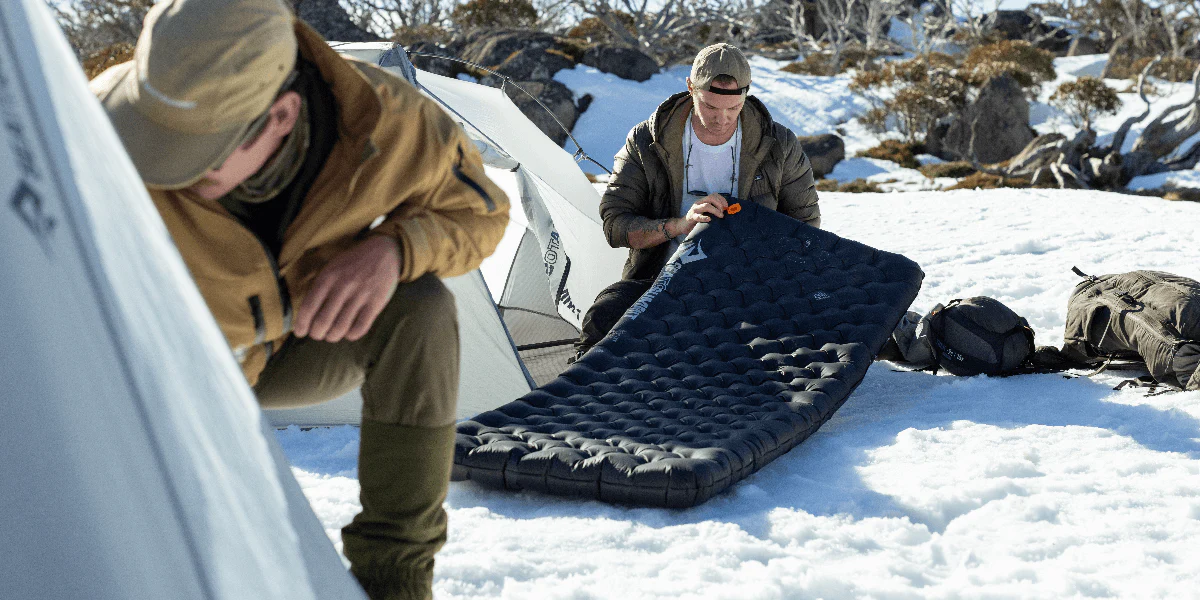
Using a sleeping pad or insulated mat creates a crucial barrier. I now consider ground insulation just as important as the sleeping bag itself. This small adjustment dramatically improves warmth and sleep quality.
Bringing the Wrong Food
Food planning can make or break a camping trip. I have seen meals become stressful when ingredients are forgotten or cooking methods are impractical. I now plan meals that match my equipment and skill level rather than ambitious ideas that sound good at home.
I also pack food that stores well and requires minimal preparation. Simple meals reduce cleanup and free up time to enjoy the outdoors. Proper food planning also helps avoid attracting wildlife, which is a mistake no camper wants to make.
Poor Food Storage Practices
Leaving food exposed or improperly stored invites unwanted visitors. I learned this lesson the hard way after waking up to animals investigating my campsite. Now, I always follow local guidelines for food storage, whether that means bear canisters or hanging food away from camp.
I store not just food but also scented items like toothpaste and trash securely. Maintaining a clean camp reduces risks and keeps wildlife wild. This habit protects both campers and animals.
Neglecting Water Management
Water is essential, yet it is often taken for granted. I never assume water sources will be available or safe without verification. Carrying enough water and having a reliable filtration method gives me peace of mind.
I also plan water usage carefully to avoid waste. Simple habits like using minimal water for dishes and hygiene extend supplies. Respecting water resources is both practical and responsible.
Wearing Inappropriate Clothing
Clothing mistakes can turn a pleasant trip into an uncomfortable ordeal. I used to pack based on appearance rather than function, which often led to discomfort. Now, I choose clothing that layers well and adapts to changing conditions.
Avoiding cotton for active wear and focusing on moisture-wicking materials makes a noticeable difference. Proper clothing keeps me dry, warm, and comfortable throughout the day. Thoughtful choices reduce the need to carry excessive backup items.
Forgetting Lighting Essentials
Poor lighting can disrupt evenings and create safety issues. I always pack multiple light sources, including headlamps and backup batteries. Relying on a single flashlight is a risk I no longer take.
Lighting also helps with navigation around camp after dark. Simple preparation prevents unnecessary stumbling and frustration. Adequate lighting supports both comfort and safety.
Overlooking Navigation Tools
Even familiar areas can become confusing once trails branch or visibility changes. I carry maps and know how to use them, even if I also bring a GPS device. Technology can fail, but basic navigation skills remain reliable.
I also study routes before leaving camp. This awareness reduces stress and helps me make better decisions on the trail. Navigation preparation builds confidence and prevents small mistakes from becoming major problems.
Skipping Campfire Safety
Campfires are enjoyable but require respect and attention. I follow local regulations and only build fires where permitted. Ignoring fire rules can lead to fines or dangerous situations.
I also ensure fires are fully extinguished before leaving camp or going to sleep. Proper fire management protects the environment and everyone nearby. Treating fire responsibly is a fundamental part of good camping habits.
Not Managing Time Well
Poor time management can rush activities and reduce enjoyment. I plan days with realistic expectations and allow flexibility for rest or unexpected events. Overpacking schedules often leads to stress rather than satisfaction.
I also set up camp early when possible. Arriving with daylight to spare allows for calm setup and better decision-making. Managing time thoughtfully improves the entire experience.
Ignoring Personal Limits
Pushing beyond physical or mental limits is a mistake that can lead to injury or burnout. I listen to my body and adjust plans when needed. Rest days and shorter hikes are sometimes the smartest choice.
Camping should be rewarding, not exhausting. Respecting personal limits ensures trips remain enjoyable and sustainable. Self-awareness is an underrated skill in the outdoors.
Leaving Trash Behind
Even small amounts of litter impact natural spaces. I follow a strict pack-in, pack-out approach on every trip. Carrying a dedicated trash bag keeps waste contained and manageable.
I also inspect the campsite before leaving. Leaving a place cleaner than I found it feels responsible and respectful. This habit preserves campsites for future visitors.
Forgetting Emergency Preparedness
Emergencies are rare but possible. I always carry a basic first aid kit and know how to use it. Preparation reduces panic and speeds response if something goes wrong.
I also inform someone of my plans and expected return. This simple step adds a layer of safety that costs nothing. Being prepared does not mean expecting disaster, but respecting the unpredictability of nature.
Underestimating Mental Preparation
Camping challenges comfort zones, especially for beginners. I mentally prepare for inconvenience, bugs, and unexpected changes. Accepting these realities ahead of time prevents frustration.
Approaching camping with patience and curiosity transforms challenges into learning experiences. Mindset plays a major role in how a trip feels. A flexible attitude often matters more than perfect gear.
Failing to Learn From Past Trips
One of the biggest mistakes is repeating the same errors. After each trip, I reflect on what worked and what did not. Small adjustments over time lead to significant improvements.
Keeping notes or mental reminders helps refine future trips. Camping skills grow through experience and reflection. Every trip offers lessons worth carrying forward.
Conclusion
Avoiding common camping mistakes is less about perfection and more about awareness. Through careful planning, thoughtful packing, and honest self-assessment, camping becomes smoother and more enjoyable. These camping tips to avoid common mistakes come from experience earned through trial, error, and reflection.
Camping rewards preparation but also teaches humility. Each trip offers opportunities to improve and connect more deeply with the outdoors. By learning from common pitfalls, every camper can create safer, more comfortable, and more memorable adventures.
