

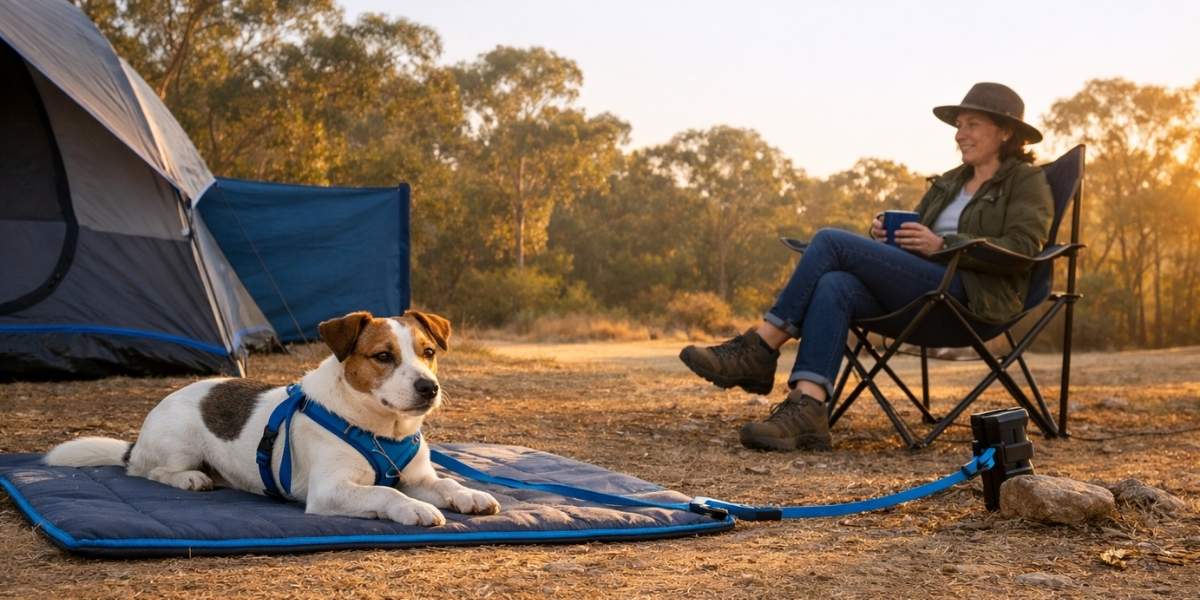
Solo camping offers a sense of freedom that is hard to match. Heading into nature alone strips the experience down to its essentials and creates space for reflection, confidence, and self-reliance. I have found that camping solo feels less intimidating and far more rewarding when I approach it with preparation and intention. These camping tips for solo travelers focus on practical habits, thoughtful planning, and mindset shifts that make solo trips safer, calmer, and more enjoyable.
Planning The Trip With Purpose
A successful solo trip starts long before arriving at the campsite. I always take time to define the goal of the trip, whether it is rest, exploration, photography, or simply unplugging. Knowing the purpose helps guide decisions about location, length of stay, and daily activities. Clear intent prevents overplanning while still keeping the trip focused.
Research plays a major role in reducing uncertainty. I study maps, campground details, access roads, and weather patterns. Familiarity with the area builds confidence and minimizes surprises that can feel amplified when traveling alone.
Selecting Campsites That Support Solo Travel
Some campsites are better suited for solo travelers than others. I look for locations that balance solitude with accessibility. Established campgrounds with clear layouts and nearby rangers provide reassurance without sacrificing independence.
I also pay attention to cell signal availability and proximity to help if needed. Even when disconnecting is part of the goal, having an emergency option adds peace of mind. Feeling comfortable with the campsite allows me to relax and fully enjoy the experience.
Packing With Efficiency And Confidence
Packing for solo camping requires thoughtful efficiency. I bring gear that is reliable, familiar, and easy to manage alone. Lightweight equipment and multi-purpose items reduce physical strain and simplify setup.
I pack deliberately rather than excessively. Knowing every item has a purpose makes it easier to stay organized and calm. A well-packed bag reduces stress and supports self-sufficiency.
Organizing Gear For Easy Access
Organization matters more when no one else is around to help. I arrange gear so that essential items are easy to reach without unpacking everything. Headlamps, first aid supplies, and navigation tools stay accessible at all times.
This organization saves energy and time. It also prevents frustration during moments when focus is needed. Simple systems make solo camping feel smooth rather than chaotic.
Establishing A Reliable Safety Plan
Safety becomes more intentional when camping alone. I always share my itinerary with a trusted person before leaving. This includes campsite location, expected return time, and any planned hikes.
I check in periodically when possible. Having a clear safety plan allows me to enjoy solitude without lingering anxiety. Preparedness replaces fear with confidence.
Staying Aware Of Surroundings
Situational awareness is one of the most important camping tips for solo travelers. I stay attentive to sounds, weather changes, and activity around the campsite. Awareness does not mean fear, but rather presence and attentiveness.
I trust instincts and avoid situations that feel uncomfortable. This mindful awareness helps prevent problems and enhances connection with the environment. Being present improves both safety and enjoyment.
Managing Campsite Setup Alone
Setting up camp solo requires efficiency and patience. I choose campsites with level ground and manageable distances from parking. A simple setup keeps energy levels steady and avoids unnecessary strain.
I follow a consistent setup routine so nothing is forgotten. Familiar steps reduce mental effort and speed up the process. Confidence grows with each successful solo setup.
Creating A Comfortable Sleeping Area
Rest is essential during solo trips. I prioritize comfort by setting up a sleeping area that feels secure and familiar. Proper insulation, padding, and ventilation make a noticeable difference in sleep quality.
I also consider campsite layout and surroundings. Feeling settled at night allows for deeper rest. Good sleep supports better decision-making and enjoyment during the day.
Managing Food And Cooking Alone
Cooking solo can be peaceful and satisfying with the right approach. I plan simple meals that require minimal preparation and cleanup. Reliable cooking systems reduce frustration and conserve energy.
I organize food by meal to avoid unnecessary digging. Eating well keeps energy levels stable and boosts morale. Solo meals become moments of reflection rather than chores.
Handling Fire And Light Safely
Fire management takes extra care when alone. I follow all local fire regulations and keep fires small and controlled. Safety comes before atmosphere.
Lighting is equally important. Headlamps and lanterns ensure visibility after dark and reduce the chance of accidents. Good light creates comfort and confidence at night.
Navigating Trails And Activities Solo
Solo hiking and exploration require honest self-assessment. I choose routes that match my fitness level and experience. Conservative planning ensures enjoyment without unnecessary risk.
I carry navigation tools and know how to use them. Clear planning and realistic goals keep activities enjoyable and safe. Solo exploration becomes empowering rather than overwhelming.
Managing Time And Energy
Solo travel allows complete control over the schedule. I listen to my energy levels and adjust plans accordingly. Rest breaks and flexible timelines prevent burnout.
Without group pressure, I move at my own pace. This freedom enhances enjoyment and reduces stress. Time becomes an ally rather than a constraint.
Dealing With Weather Changes
Weather can feel more intense when alone. I monitor forecasts closely and remain flexible. Adjusting plans based on conditions keeps risks low.
I pack appropriate layers and shelter options. Being prepared for weather shifts adds confidence and comfort. Adaptability becomes a key solo camping skill.
Handling Quiet And Solitude
Extended quiet can feel unfamiliar at first. I embrace it rather than filling every moment with activity. Silence creates space for reflection and connection with nature.
I bring books, journals, or creative projects to enjoy downtime. Solitude becomes restorative rather than isolating. Comfort with quiet enhances the solo experience.
Managing Nighttime Comfort And Security
Nights can be the most challenging part of solo camping. I establish calming routines as evening approaches. Familiar habits signal safety and relaxation.
I secure food properly and tidy the campsite before bed. Order and routine reduce nighttime anxiety. A calm night sets the tone for the next day.
Building Confidence Through Experience
Confidence grows with each solo trip. I reflect on challenges faced and skills gained. Small successes build trust in my abilities.
I avoid comparing experiences to group trips. Solo camping offers a different kind of reward. Growth comes from self-reliance and awareness.
Practicing Leave No Trace Principles
Responsibility carries extra weight when camping alone. I follow Leave No Trace principles carefully. Respect for nature remains a priority.
Clean campsites protect ecosystems and future visitors. Ethical practices reinforce a positive relationship with the outdoors. Responsibility enhances satisfaction.
Managing Unexpected Situations
Unexpected moments are part of solo travel. I stay calm and assess situations logically. Panic rarely helps, while patience often reveals solutions.
Preparation and flexibility guide responses. Experience teaches adaptability. Challenges become learning opportunities rather than setbacks.
Maintaining Mental Balance
Solo travel brings both clarity and introspection. I stay mindful of emotional shifts and take breaks when needed. Balance matters as much as physical safety.
Engaging with nature supports mental well-being. Time alone strengthens self-awareness. Emotional resilience becomes part of the journey.
Ending The Trip With Reflection
As the trip concludes, I take time to reflect. I consider what worked well and what could improve. Reflection deepens the value of the experience.
These insights guide future trips. Growth continues beyond the campsite. Reflection completes the solo journey.
Conclusion
Solo camping is an empowering way to connect with nature and oneself. With thoughtful preparation, awareness, and adaptability, solo trips become deeply rewarding experiences. These camping tips for solo travelers emphasize confidence, responsibility, and respect for the outdoors. Each journey builds skills, resilience, and appreciation for the simplicity that solo camping offers.
