

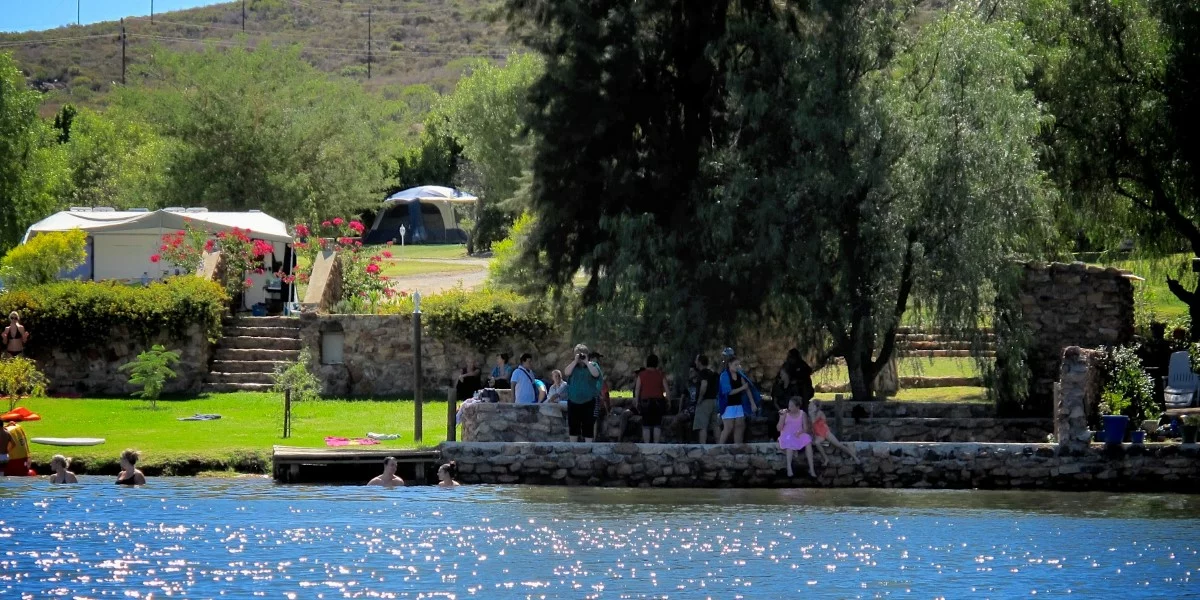
Fall camping delivers a kind of balance I rarely experience during other seasons. Days still offer enough warmth to enjoy long hikes, while nights carry a crisp edge that makes campfires more satisfying. Trails quiet down after summer crowds leave, bugs disappear almost entirely, and landscapes shift into colors that feel almost unreal. This combination of comfort, solitude, and scenery makes fall my favorite time to pack up the tent and head out.
Over the years, I have made it a point to plan at least one major trip during autumn, sometimes more if time allows. Each destination offers its own version of fall magic, shaped by geography, elevation, and local climate. Some places are all about dramatic foliage, while others shine because of clear skies, wildlife activity, or ideal temperatures. These are the fall camping destinations that have stood out to me the most and continue to pull me back whenever the leaves begin to change.
Great Smoky Mountains National Park
The Great Smoky Mountains feel almost designed for fall camping. The park sits at an elevation range that creates a rolling wave of color as the season progresses, with higher ridges changing first and valleys following weeks later. I like how this gives some flexibility, since timing does not have to be perfect to catch beautiful scenery. No matter when I arrive in October, something is always glowing.
Campgrounds like Cades Cove and Elkmont offer easy access to both scenic drives and quieter backcountry trails. Mornings often begin with fog drifting through the trees, slowly lifting as the sun rises. Wildlife becomes more active during this time, and it is not unusual to spot deer or hear elk bugling in the distance. The mix of hardwood forests, flowing streams, and cool air makes every hike feel energizing instead of exhausting.
Acadia National Park
Acadia in the fall feels intimate in a way that summer never quite manages. Once peak tourist season ends, the park settles into a calmer rhythm that makes camping far more enjoyable. I appreciate how close everything feels here, with mountains, ocean, and forest packed into a relatively small area. Fall sharpens that experience, especially when the leaves turn against the backdrop of the Atlantic.
Blackwoods Campground becomes my go-to base when visiting during autumn. Cool nights make sleeping comfortable, and mornings often bring clear skies that highlight the rugged coastline. Hiking Cadillac Mountain at sunrise during fall feels especially rewarding, with fewer people and crisp air that keeps the climb comfortable. The combination of salty sea air and fall foliage creates a sensory mix I have not found anywhere else.
Shenandoah National Park
Shenandoah is one of those places where fall feels deeply personal. Skyline Drive stretches for miles along the Blue Ridge Mountains, offering countless overlooks that seem made for slow drives and quiet reflection. Camping here allows me to experience those views at different times of day, especially early mornings and late evenings when light changes the landscape entirely.
Big Meadows Campground sits right along the ridge, making it easy to step directly onto trails. Fall nights can be cold, but that only adds to the experience, especially when sitting by a small fire wrapped in layers. Deer often wander through the campground, and the silence at night feels profound. Hiking sections of the Appalachian Trail during fall always reminds me why this park holds such a strong reputation.
Rocky Mountain National Park
Rocky Mountain National Park offers a completely different fall camping experience, shaped by altitude and wide-open views. Early fall is the sweet spot here, before heavy snow arrives but after summer crowds fade. The tundra-like landscapes and alpine lakes take on a golden hue as grasses change and aspens light up the valleys.
Moraine Park Campground places campers right in the heart of elk territory during rutting season. Hearing elk calls echo across the valley at night feels almost unreal. Days are perfect for hiking, with cool temperatures and clear skies that stretch for miles. Fall camping here requires preparation for sudden weather shifts, but the payoff is worth every extra layer packed.
Yellowstone National Park
Yellowstone in the fall feels wild in a way that summer never quite captures. As temperatures drop, geothermal features become more dramatic, with steam rising thickly in the cold air. Wildlife viewing improves significantly, and the park begins to feel like it belongs more to the animals than the visitors.
Camping during this season offers quieter campgrounds and more space to explore. I enjoy early morning walks near geyser basins, where the contrast between frost-covered ground and hot springs creates a surreal atmosphere. Fall also brings bison movement and increased wolf activity, which adds a sense of anticipation to every outing. Yellowstone demands respect for changing conditions, but fall highlights its raw beauty better than any other time.
Adirondack Park
The Adirondacks are synonymous with fall color, and for good reason. This massive park in upstate New York offers endless combinations of lakes, forests, and mountains that explode into color each autumn. Camping here feels flexible, with options ranging from developed campgrounds to remote backcountry sites accessible only by canoe or long hikes.
I am particularly drawn to lake-based campsites during fall. Calm waters reflect fiery trees, creating mirror-like scenes that feel almost staged. Days are ideal for paddling or hiking, while evenings invite quiet reflection by the fire. The Adirondacks manage to feel both expansive and cozy during fall, which is a rare combination.
Glacier National Park
Glacier National Park in the fall feels like a brief window into a quieter world. The season is short, but timing it right delivers incredible rewards. Snow may dust higher elevations, while lower valleys glow with golden larch trees that give the park a unique fall identity.
Many campgrounds begin closing early, which encourages careful planning but also ensures fewer people. Hiking trails become peaceful, and wildlife sightings increase as animals prepare for winter. I appreciate how fall sharpens the park’s rugged beauty, making mountains feel more imposing and lakes more reflective. Glacier during autumn feels raw, dramatic, and deeply rewarding.
Ozark National Forest
The Ozarks often get overlooked when discussing fall camping, which is exactly why I enjoy them. Rolling hills, hardwood forests, and winding rivers create a landscape that transforms beautifully as leaves change. Temperatures stay moderate longer here, making camping comfortable well into late fall.
Campgrounds scattered throughout the forest provide easy access to hiking trails and scenic overlooks. I enjoy how quiet nights become, broken only by the sounds of wind and distant owls. The Ozarks offer a slower pace, ideal for campers who prefer solitude and understated beauty. Fall highlights the region’s charm without the pressure of peak-season crowds.
Big Bend National Park
Fall in Big Bend offers a completely different kind of camping experience, shaped by desert landscapes and vast open skies. Summer heat fades, making daytime exploration far more enjoyable. Nights cool down significantly, creating perfect conditions for sleeping under the stars.
Camping here feels expansive, with wide views and dramatic sunsets that seem to stretch endlessly. Hiking through canyons or along the Rio Grande during fall reveals subtle changes in plant life and lighting. The desert may not offer traditional foliage, but fall brings clarity, comfort, and a sense of space that is hard to match elsewhere.
Olympic National Park
Olympic National Park delivers variety that feels especially pronounced in fall. Rainforests, mountains, and coastlines all respond differently to the season, creating a layered experience. While rain becomes more frequent, it adds atmosphere rather than detracting from the experience.
Camping in the Hoh Rain Forest during fall feels almost mystical, with moss-covered trees and soft light filtering through the canopy. Coastal campsites offer dramatic ocean views and quieter beaches once summer ends. I enjoy how fall encourages slower exploration here, with misty mornings and reflective afternoons shaping each day.
Tips for Planning Fall Camping Trips
Fall camping requires a slightly different mindset than summer trips. Weather can shift quickly, and daylight hours shorten faster than expected. I always plan routes and activities with earlier sunsets in mind, leaving enough time to return to camp safely.
Layered clothing becomes essential, even in destinations known for mild weather. Nights can drop sharply in temperature, and mornings may start cold before warming up. I also pay attention to campground closing dates, as many parks reduce services after peak season. With preparation, fall camping becomes one of the most comfortable and rewarding ways to experience the outdoors.
Why Fall Camping Feels Different
Fall changes how I interact with the outdoors. The pace slows naturally, encouraging longer pauses and quieter moments. Without summer noise and crowds, sounds carry farther and details stand out more clearly.
Campfires feel more meaningful when the air turns cold, and meals taste better after cool-weather hikes. Fall invites reflection in a way other seasons rarely do. That sense of calm, combined with stunning landscapes, is what keeps pulling me back year after year.
Final Thoughts
The best camping destinations for fall share a common thread of balance. They offer comfort without sacrificing adventure and beauty without overwhelming crowds. From mountain ranges to deserts and coastlines, fall transforms familiar places into something fresh and deeply memorable.
Each destination on this list has given me moments that stay vivid long after the season ends. Fall camping rewards patience, preparation, and an openness to slower travel. For anyone willing to embrace cooler nights and changing conditions, autumn delivers some of the most fulfilling camping experiences available.
