

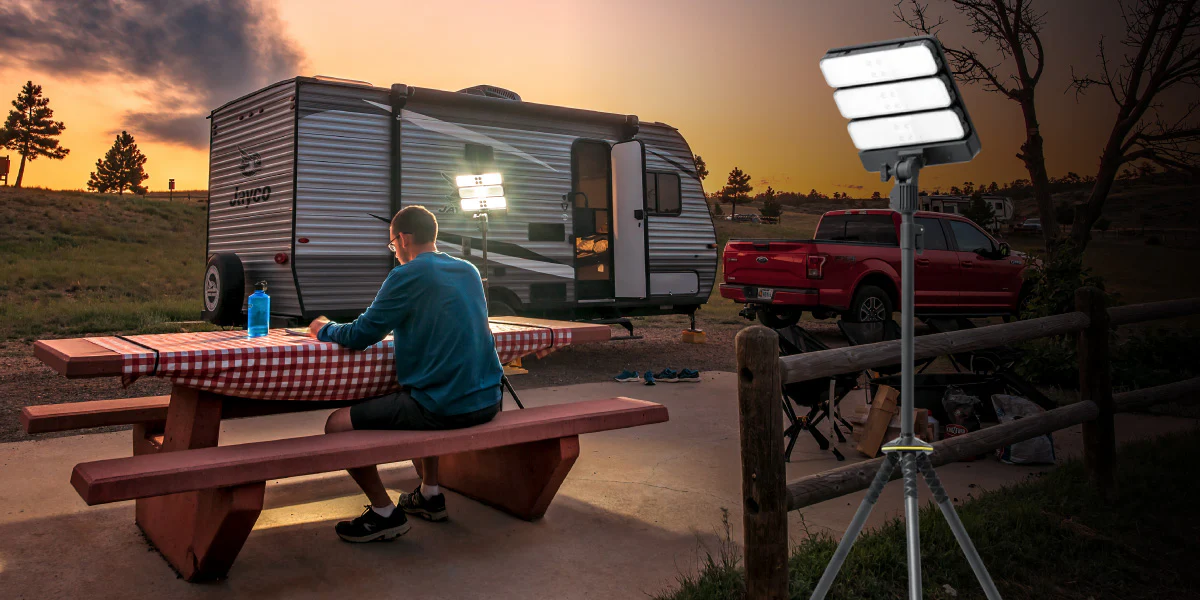
Peace and quiet are the main reasons I head into the outdoors. Busy campgrounds filled with generators, loud music, and constant traffic defeat the purpose of camping for me. I look for places where mornings start with birds instead of engines and nights settle into deep silence broken only by wind or water. Over time, I have found that certain camping spots consistently offer that calm, reflective experience.
Finding quiet camping spots takes intention and patience. Popular destinations often attract crowds, especially during peak seasons, while lesser-known areas reward those willing to plan ahead. The following locations and styles of campgrounds have given me some of the most peaceful nights I have ever spent outdoors. Each offers space, natural soundscapes, and an atmosphere that invites slowing down.
National Forest Dispersed Camping Areas
National forests are my first choice when solitude matters most. Dispersed camping areas allow campers to set up away from developed campgrounds, often miles from other people. Roads may be rough, but the payoff is privacy and a deep sense of calm.
I enjoy how dispersed sites let nature dictate the experience. No reservations, no marked sites, and no crowds competing for space. Evenings feel expansive, with wide skies and minimal human noise. These areas remind me what quiet truly sounds like.
Backcountry Campsites in National Parks
Backcountry campsites in national parks offer peace that frontcountry campgrounds rarely match. Reaching these spots requires hiking, which naturally filters out casual crowds. The effort creates a quieter, more intentional camping environment.
I appreciate how these campsites feel integrated into the landscape. Sounds travel differently away from roads and facilities. Nights feel deeper and more immersive. Backcountry camping turns silence into a companion rather than an absence.
Desert Camping Locations
Desert camping offers a unique form of quiet that feels almost surreal. Wide open spaces absorb sound, and human activity tends to be sparse. Places like high desert plateaus or remote basins provide solitude even during popular seasons.
I enjoy how deserts slow everything down. Wind moves gently, and evenings stretch into long, silent hours. Camps feel isolated in the best way possible. Desert nights are some of the quietest I have ever experienced.
Remote Lake Campgrounds
Lakes located far from major roads often attract fewer visitors. Campgrounds tucked deep into forest or mountain regions tend to stay quiet, especially on weekdays. Water adds a calming layer of natural sound without overwhelming the silence.
I like how lake camping balances stillness and gentle movement. Early mornings bring glassy water and soft light. Evenings reflect calm skies and distant wildlife sounds. These spots encourage reflection and slow routines.
Mountain Valley Campsites
Mountain valleys offer shelter from wind and isolation from busy corridors. Campgrounds set away from scenic highways or major trailheads tend to remain peaceful. Surrounding peaks create a sense of enclosure that enhances quiet.
I find valley campsites ideal for extended stays. Sound does not carry as far, and fewer people pass through. Wildlife becomes more visible, adding quiet moments of connection. These areas feel protected from the outside world.
State Parks With Limited Access
Some state parks remain quiet simply because they are harder to reach. Narrow access roads, limited facilities, or smaller campground sizes reduce visitor numbers. These parks often go unnoticed compared to more famous destinations.
I enjoy discovering these overlooked places. Campsites feel personal rather than crowded. Rangers maintain the land without overdeveloping it. Limited access often equals lasting quiet.
Primitive Campgrounds
Primitive campgrounds strike a balance between dispersed camping and developed sites. They offer basic amenities like fire rings or vault toilets but lack hookups and large parking areas. This naturally discourages noisy activity.
I appreciate how primitive campgrounds attract like-minded campers. People who choose them usually value simplicity and silence. Nights settle early, and mornings begin softly. These campgrounds preserve the spirit of quiet camping.
Coastal Camping Away From Tourist Areas
Coastal camping can be noisy, but remote stretches offer surprising peace. Campgrounds away from beach towns or popular surf spots tend to remain calm. Ocean sounds replace human noise, creating a steady, soothing backdrop.
I enjoy camping near rugged coastlines rather than developed beaches. Winds, waves, and seabirds dominate the soundscape. Crowds thin out quickly once roads narrow. Coastal quiet feels expansive and grounding.
High Elevation Campgrounds
High elevation campgrounds often stay quiet due to cooler temperatures and shorter seasons. Fewer visitors venture up steep roads or into alpine environments. The result is peaceful camps surrounded by open skies.
I value how sound travels differently at elevation. Wind and distant weather patterns create subtle background noise. Human activity fades into insignificance. High places offer a sense of solitude that feels earned.
Riverbank Campsites in Remote Areas
Rivers provide constant movement without chaos. Campsites located far upstream or downstream from popular access points stay quiet. Flowing water masks distant noise while maintaining a natural rhythm.
I enjoy how rivers set the pace of the day. Mornings feel fresh and slow. Evenings settle into steady flow and reflection. These sites offer quiet without complete stillness.
Seasonal Timing and Quiet Camping
Timing matters as much as location when seeking peace. Early spring and late fall reduce crowds significantly. Many campgrounds feel completely different outside peak season.
I prefer camping just before or after busy periods. Wildlife becomes more active, and human presence drops. Weather adds character without overwhelming comfort. Seasonal timing unlocks quiet in otherwise popular places.
Small Campgrounds With Few Sites
Campgrounds with fewer than ten sites often remain peaceful. Limited capacity prevents crowd buildup and excessive noise. These campgrounds feel more like shared clearings than parking lots.
I enjoy the intimacy of small campgrounds. Campers tend to respect each other’s space. Conversations stay low and short. These places foster quiet through simplicity.
Wilderness Study Areas and BLM Land
Wilderness study areas and BLM land often provide overlooked camping opportunities. These lands lack heavy promotion and development. Campers must be self-sufficient, which filters out crowds.
I appreciate the freedom these areas offer. Camps can be spaced far apart, and silence stretches across the landscape. Even popular regions have hidden quiet pockets on public land. These spaces reward exploration.
Forest Roads and Walk-In Campsites
Walk-in campsites located just off forest roads often remain unused. A short carry discourages casual campers. Even a quarter-mile walk can create surprising isolation.
I like how walk-in sites balance access and solitude. Vehicles stay out of sight and sound. Camps feel intentional rather than temporary. These sites provide quiet without long hikes.
Wildlife Refuges With Camping Access
Some wildlife refuges allow limited camping in designated areas. Strict rules and conservation focus keep noise low. Visitor numbers remain controlled to protect ecosystems.
I value the respect these places inspire. Campers tend to follow guidelines closely. Wildlife activity replaces human disturbance. Refuge camping offers quiet with purpose.
Personal Habits That Support Quiet Camping
Quiet camping depends partly on personal choices. I avoid bringing loud gear or unnecessary electronics. Camp routines stay simple and intentional.
I also choose campsites thoughtfully within campgrounds. Edges, corners, and sites away from facilities stay quieter. Respecting others’ space maintains collective silence. Quiet camping is a shared responsibility.
Mental Benefits of Quiet Camping
Peaceful camping restores mental balance in ways few other activities can. Silence allows thoughts to settle and perspectives to shift. Distractions fade, leaving space for clarity.
I notice stress dissolve after a few quiet nights outdoors. Sleep improves, and days feel unhurried. Quiet camping resets internal rhythms. It reminds me why I camp in the first place.
How Quiet Changes the Camping Experience
Camping in silence sharpens awareness. Small details become noticeable, from rustling leaves to distant animal calls. The environment feels alive and present.
I find that quiet deepens appreciation for simple moments. Cooking, walking, and resting gain meaning. Experiences feel personal rather than rushed. Silence enhances connection to place.
Final Thoughts
The best camping spots for peace and quiet are often found off the main path. They require patience, flexibility, and respect for the land. Whether deep in a forest, high in the mountains, or far across the desert, quiet camping remains accessible.
Each location offers a different expression of silence. Some feel vast and open, others intimate and enclosed. All provide space to slow down and reconnect. Peace and quiet are not luxuries in camping, they are rewards for those willing to seek them.
