

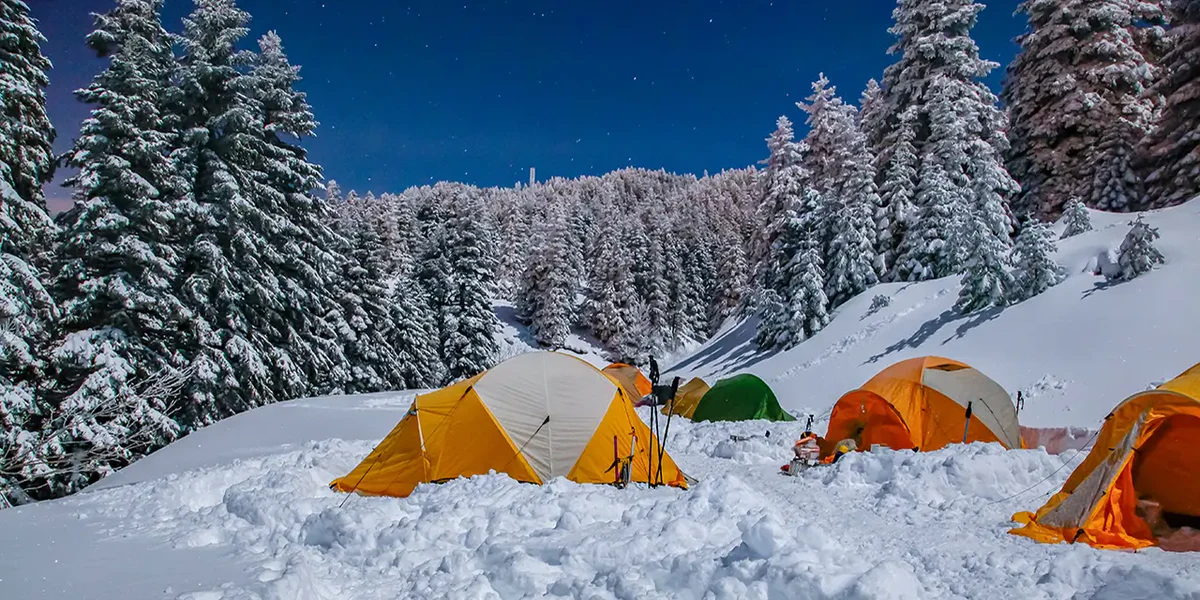
Winter camping reshaped how I think about time outdoors. Cold air sharpens everything, from the way light moves across landscapes to the quiet that settles in after sunset. Popular places empty out, wildlife becomes more visible, and campsites feel intentional rather than crowded. Winter demands more awareness and preparation, but it also gives back an experience that feels focused, calm, and deeply satisfying.
Over the years, I have learned that not all winter camping destinations are equal. Some places deliver manageable conditions, accessible roads, and reliable scenery without pushing comfort too far. Others shine because of their solitude, dry climates, or predictable weather patterns. These destinations stand out as places where winter camping feels rewarding rather than punishing, especially for campers willing to plan carefully and embrace the season.
Big Bend National Park
Big Bend National Park quickly became one of my favorite winter camping destinations. Cooler temperatures transform the desert into an ideal environment for hiking and exploring without the intense heat found during other seasons. Days feel crisp and sunny, while nights cool down just enough to make sleeping comfortable with the right gear.
Campgrounds like Chisos Basin and Rio Grande Village remain accessible throughout winter. The desert landscape takes on a different character in colder months, with clear skies and sharp views stretching across mountains and canyons. Winter also brings quieter trails and an increased sense of space. Big Bend offers winter camping that feels adventurous without extreme cold.
Joshua Tree National Park
Joshua Tree National Park feels built for winter camping. Mild daytime temperatures make long hikes and relaxed exploration easy, while nights bring just enough chill to justify a warm sleeping bag and campfire. The park’s compact layout makes navigation simple, even when daylight hours are shorter.
I enjoy winter camping here because crowds thin significantly compared to spring and fall. Rock formations glow under low winter sun, and clear skies deliver incredible stargazing. Campgrounds remain open and accessible, allowing campers to experience the desert in its most comfortable season. Joshua Tree proves that winter camping does not always involve snow.
Death Valley National Park
Death Valley National Park surprises many people as a winter camping destination, but it thrives during colder months. Extreme summer heat disappears, leaving behind mild days ideal for exploring salt flats, dunes, and canyons. Winter camping here feels balanced, with conditions that allow for long days outdoors without exhaustion.
Developed campgrounds such as Furnace Creek provide essential services and reliable access. I appreciate how winter reveals subtle details in the landscape that often go unnoticed. Clear air sharpens colors, and cooler temperatures make walking enjoyable. Death Valley delivers winter camping that feels expansive and approachable.
Everglades National Park
Everglades National Park offers a completely different kind of winter camping experience. Cooler temperatures and reduced humidity make winter the most comfortable time to explore this unique environment. Bugs drop to manageable levels, and wildlife activity increases throughout the park.
Camping here feels immersive, especially at sites accessible by canoe or kayak. Winter nights remain mild, and days feel calm rather than oppressive. I enjoy how winter reveals the Everglades at its best, with quiet waterways and active birdlife. This destination proves winter camping does not always mean cold conditions.
Great Smoky Mountains National Park
The Great Smoky Mountains offer a quieter and more reflective winter camping experience. Snow occasionally dusts higher elevations, while lower areas remain accessible and peaceful. The absence of leaves opens long views through the forest, changing how familiar trails feel.
Campgrounds at lower elevations remain open, providing access to winter hiking and scenic drives. I enjoy the contrast between frosty mornings and sunlit afternoons. Wildlife becomes easier to spot, and the park feels more personal without crowds. Winter camping here rewards patience and flexibility.
Shenandoah National Park
Shenandoah National Park takes on a stripped-down beauty during winter. Skyline Drive remains partially accessible depending on weather, offering quiet overlooks and open views across the Blue Ridge Mountains. Winter camping here feels simple and deliberate.
While many campgrounds close, nearby backcountry options remain available for experienced campers. I value how winter reveals the park’s structure, with ridgelines and valleys standing out clearly. Cold nights bring deep sleep, and daytime hikes feel refreshing rather than strenuous. Shenandoah delivers winter solitude without extreme conditions.
Anza-Borrego Desert State Park
Anza-Borrego Desert State Park thrives in winter. Cooler temperatures create ideal conditions for camping, hiking, and exploring remote sections of the park. Winter storms occasionally reshape the landscape, adding to the sense of discovery.
I appreciate how the park allows both developed and dispersed camping options. Winter brings clear skies and comfortable days, making extended stays enjoyable. The desert feels alive without being overwhelming. Anza-Borrego offers winter camping that feels flexible and forgiving.
Saguaro National Park
Saguaro National Park becomes especially inviting during winter. The Sonoran Desert settles into mild, predictable weather that encourages exploration. Days feel warm without being intense, while nights cool down just enough to feel refreshing.
Camping nearby places visitors close to iconic cactus forests and well-maintained trails. I enjoy how winter highlights the contrast between green cacti and blue skies. Wildlife activity increases, and the park feels calm rather than crowded. Saguaro National Park delivers winter camping that feels comfortable and visually striking.
Mojave National Preserve
Mojave National Preserve offers a quieter winter camping experience for those seeking space. Cooler temperatures make desert travel more manageable, and vast open areas provide solitude rarely found during other seasons. Camping here feels remote without feeling unsafe.
I enjoy setting up camp along accessible dirt roads that lead to flat, sheltered sites. Winter skies remain clear, offering exceptional stargazing opportunities. Days feel open and unhurried, while nights stay cold but manageable. Mojave delivers winter camping that feels expansive and grounding.
Padre Island National Seashore
Padre Island National Seashore offers winter camping with a coastal twist. Cooler temperatures and reduced humidity make beach camping far more comfortable than during summer. Wind becomes a factor, but it also keeps insects away.
I enjoy how winter transforms the beach into a quiet, reflective space. Long walks along the shoreline feel meditative, and nights bring steady ocean sounds. Camping here requires attention to tides and weather, but winter conditions simplify many of those challenges. Padre Island provides a rare blend of winter camping and coastal solitude.
Cuyahoga Valley National Park
Cuyahoga Valley National Park offers a gentle introduction to winter camping for those in colder regions. Snow often blankets the landscape, creating peaceful scenes along trails and rivers. Winter quiet settles in quickly, making the park feel calm and inviting.
Camping nearby allows easy access to winter hikes and scenic overlooks. I enjoy how frozen waterfalls and bare trees reveal new perspectives. Cold air feels clean and energizing, and wildlife tracks add interest to each walk. Cuyahoga Valley proves winter camping can be approachable and rewarding.
San Juan National Forest
San Juan National Forest delivers classic winter camping for those comfortable with snow. Lower elevation sites remain accessible, while higher areas offer snow-covered landscapes for experienced campers. Winter transforms the forest into a quiet, expansive environment.
I enjoy how winter simplifies the forest, reducing noise and movement. Snow absorbs sound, making nights especially peaceful. Daytime activities shift toward snowshoeing or short hikes, which feel deliberate and focused. San Juan National Forest offers winter camping that feels immersive and serene.
Olympic National Park
Olympic National Park offers remarkable winter variety. Coastal areas remain accessible and relatively mild, while mountains receive heavy snowfall. Rainforests take on a moody, atmospheric character that feels well suited to winter camping.
I enjoy winter camping near the coast, where storms roll in dramatically without extreme cold. Misty mornings and quiet beaches create a reflective environment. Winter encourages slower exploration and appreciation of subtle details. Olympic National Park shows how winter camping can adapt across landscapes.
Preparing for Winter Camping
Preparation defines the winter camping experience. I focus heavily on gear choices, layering systems, and weather awareness before committing to a destination. Small decisions, such as campsite selection and shelter orientation, make a significant difference in comfort.
I always plan days with limited daylight in mind, allowing plenty of time to set up camp before dark. Food choices matter more in winter, as warm meals boost morale and energy. With preparation, winter camping becomes structured rather than stressful.
What Makes a Destination Good for Winter Camping
Strong winter camping destinations share common traits. They offer predictable seasonal weather, accessible routes, and environments that remain navigable despite colder conditions. These factors reduce risk and allow campers to focus on the experience itself.
I value places with multiple camping options, allowing flexibility if conditions change. Access to ranger information and nearby services adds confidence. The best winter destinations support careful planning while still delivering memorable landscapes and quiet moments.
Why Winter Camping Feels Different
Winter camping slows everything down. Cold weather limits unnecessary movement, encouraging intentional actions and thoughtful pacing. Even familiar places feel new under winter conditions.
I find winter camping sharpens awareness and appreciation. Simple comforts like warm drinks and insulated layers take on greater meaning. The quiet, combined with reduced crowds, creates space for reflection rarely found during other seasons.
Final Thoughts
The best winter camping destinations prove that cold weather does not limit outdoor experiences. With the right locations and preparation, winter offers comfort, beauty, and solitude that other seasons cannot match. These destinations highlight different approaches to winter camping, from desert warmth to snowy forests.
Each place on this list has reinforced my appreciation for winter travel. Winter camping rewards patience, planning, and a willingness to adapt. For those ready to embrace colder days and quieter nights, winter delivers some of the most memorable camping experiences available.
