

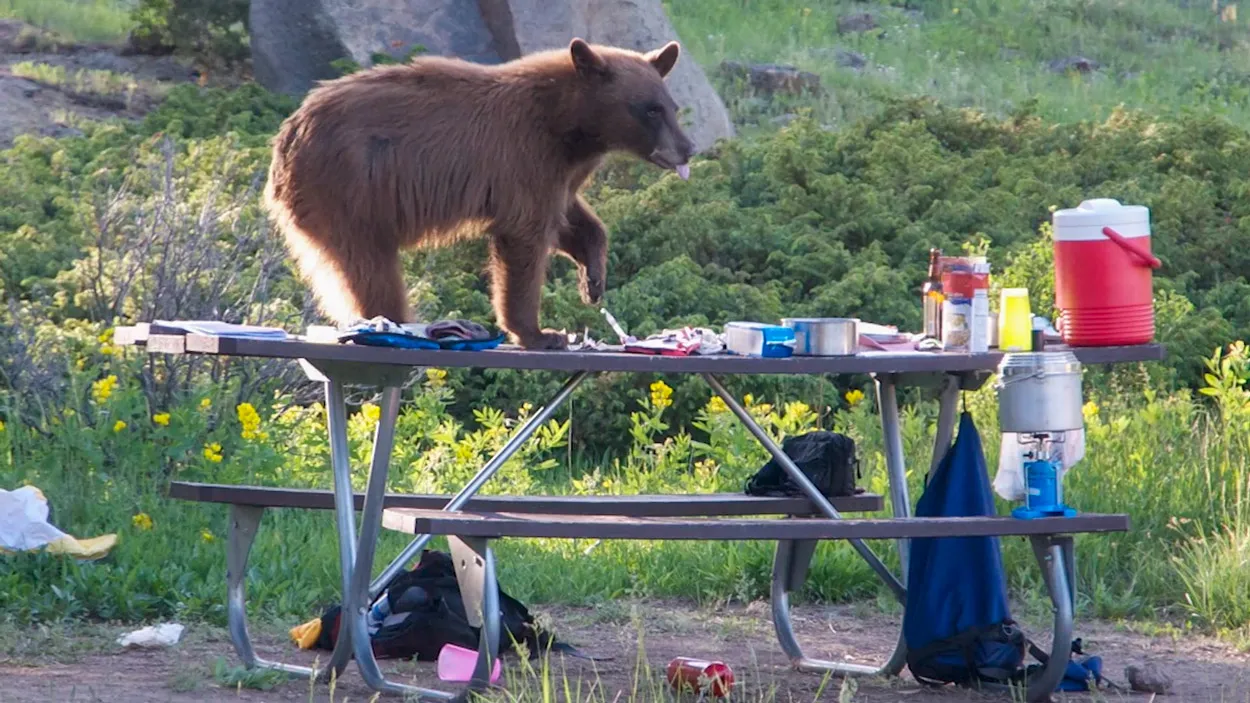
Camping in bear country changes how I think about every part of the trip. The landscape feels wilder, quieter, and more alive, and that awareness never fully fades once camp is set. Safety becomes part of daily routine rather than a checklist item. With the right habits, camping among bears feels respectful and controlled instead of tense or frightening.
Bear safety is not about fear or extreme measures. It is about consistency, awareness, and reducing the chances of unwanted encounters. Bears usually want nothing to do with people, but mistakes around food, camp layout, and behavior can change that quickly. Over time, I have learned that small details matter more than dramatic actions, and those details start long before nightfall.
Knowing The Type Of Bear In The Area
Different bear species behave differently, and that affects how I camp. Before heading out, I find out whether the area is home to black bears, grizzly bears, or both. Their habits, reactions, and tolerance for human presence vary enough to matter.
This knowledge shapes decisions throughout the trip. From food storage methods to how alert I stay on trails, understanding the local bear population informs every choice. Preparation builds confidence and prevents overreaction in situations that are actually normal.
Planning Campsites With Bear Safety In Mind
Campsite location plays a major role in safety. I look for established sites that are known to be safe and well-used. These areas are often selected because they naturally reduce wildlife conflicts.
I avoid camping near obvious animal corridors, berry patches, or water sources that bears frequent. Distance reduces surprise encounters. Thoughtful site selection prevents problems before they begin and sets the tone for the entire stay.
Setting Up Camp With Clear Zones
One of the most important habits in bear country is separating camp activities. I create clear zones for sleeping, cooking, and food storage. Each area stays far enough apart to reduce scent concentration.
Sleeping areas remain clean and free of food smells at all times. Cooking areas handle all food preparation, while storage stays downwind when possible. This layout limits attraction and keeps bears focused elsewhere.
Food Storage That Prevents Encounters
Food storage is the foundation of bear safety. Every item with a scent gets treated as food, including toiletries, trash, and cookware. I store all scented items in approved bear-resistant containers or proper hanging systems.
Consistency matters more than convenience. Even quick snacks get handled properly. Bears have strong memories and powerful noses, and one mistake can create long-term problems for both campers and wildlife.
Cooking Habits That Reduce Odors
Cooking in bear country requires discipline. I keep meals simple and avoid foods that produce strong lingering odors. Cleanup happens immediately after eating rather than later.
Cookware gets cleaned thoroughly and stored with food items. I never bring food into sleeping areas, even during bad weather. Good cooking habits reduce scent spread and lower the risk of nighttime visits.
Managing Trash Without Mistakes
Trash attracts bears just as strongly as food. I pack trash out carefully and store it with food when required. Open trash bags or loose scraps invite trouble quickly.
I compress trash to reduce odor and keep containers sealed. Before leaving camp or going to sleep, I double-check that nothing scented remains exposed. Vigilance around trash prevents avoidable encounters.
Personal Hygiene In Bear Country
Hygiene products often get overlooked in bear safety planning. Items like toothpaste, deodorant, and sunscreen all have scents that matter. I store them with food and never leave them unattended.
Even clothing worn while cooking gets treated carefully. If garments absorb strong food odors, they stay away from sleeping areas. Attention to hygiene details closes common gaps in bear safety practices.
Traveling Through Bear Habitat Safely
Trail behavior changes in bear country. I make noise when visibility is limited, especially near curves, dense vegetation, or streams. Surprise encounters create the most dangerous situations.
I stay alert rather than distracted. Listening and observing surroundings helps spot signs of recent bear activity. Awareness reduces the chances of crossing paths unexpectedly.
Recognizing Signs Of Bear Activity
Bear signs offer valuable information. Tracks, scat, claw marks, and disturbed ground signal recent presence. I pay close attention to these indicators and adjust behavior accordingly.
Fresh signs increase caution. I slow down, make more noise, and stay prepared to change plans if needed. Respecting signs helps avoid close encounters.
Carrying Deterrents Responsibly
Bear deterrents serve as a last line of defense. I carry bear spray where appropriate and keep it accessible at all times. Knowing how to use it matters as much as having it.
Deterrents are not substitutes for good habits. They exist for emergencies, not routine reassurance. Responsible use emphasizes prevention first and response only if necessary.
Camp Behavior That Maintains Safety
Behavior at camp influences safety continuously. I keep camps clean, organized, and quiet. Careless movement or clutter increases risk.
I avoid cooking late at night when visibility is low. Evening routines focus on securing food and preparing for rest. Predictable behavior reduces uncertainty for both campers and wildlife.
Sleeping Comfortably In Bear Country
Sleeping in bear country requires trust in systems rather than fear. A clean sleeping area allows restful nights without constant worry. I rely on preparation rather than vigilance.
Knowing food is stored properly brings peace of mind. Once routines are established, sleep becomes easier and deeper. Confidence comes from consistency, not tension.
Managing Group Dynamics Around Bears
Group behavior affects safety outcomes. Everyone needs to follow the same rules consistently. One mistake impacts the entire group.
Clear communication prevents misunderstandings. I make sure everyone knows where food goes and how routines work. Shared responsibility strengthens safety.
Handling Unexpected Bear Encounters
Encounters happen even with good preparation. Staying calm matters more than speed or panic. I assess the situation and follow best practices for the specific bear species.
Backing away slowly and giving space usually resolves encounters peacefully. Respectful distance allows bears to disengage naturally. Preparedness prevents rash reactions.
Teaching Bear Safety Through Example
Experienced campers influence others through behavior. I model good habits consistently rather than relying on reminders. Quiet example reinforces correct practices naturally.
Sharing knowledge calmly builds group confidence. When safety becomes routine, fear fades. Education strengthens everyone’s experience.
Managing Food Smells Over Multiple Days
Longer trips require extra attention to scent buildup. Containers get cleaned and aired when possible. Rotating food storage prevents lingering odors.
I avoid spills and clean surfaces thoroughly. Small residues accumulate quickly. Managing smells over time maintains safety throughout extended stays.
Weather And Bear Activity
Weather affects bear behavior. Rain, heat, and seasonal changes influence movement and feeding patterns. I stay informed and adjust routines accordingly.
Poor weather does not excuse sloppy habits. In fact, it often increases risk. Staying disciplined during uncomfortable conditions matters most.
Packing For Bear Country Trips
Packing supports safety when done intentionally. I include proper storage systems, cleaning supplies, and deterrents where needed. Every item serves a purpose.
Reducing clutter simplifies camp management. Efficient packing makes it easier to maintain safety routines. Preparation supports calm decision-making.
Leaving Camp Without Attractants
Breaking camp requires careful inspection. I scan the area for crumbs, spills, or forgotten items. Leaving no attractants protects future campers and wildlife.
I aim to leave campsites neutral rather than scented. Clean departures prevent bears from associating areas with food. Responsibility extends beyond the trip itself.
Respecting Bears As Wildlife
Bear safety includes respect for the animals themselves. Bears are not threats by default, but powerful wildlife deserving space. Responsible camping protects them as much as people.
Maintaining natural behavior benefits ecosystems. Preventing human-bear conflicts preserves both safety and wilderness integrity. Respect forms the foundation of coexistence.
Reflecting After Each Bear Country Trip
After each trip, I reflect on habits and outcomes. Experience sharpens awareness of what works well. Continuous improvement strengthens future safety.
Bear country camping builds confidence through practice. Each successful trip reinforces good habits. Reflection turns experience into skill.
Final Thoughts On Camping Safely In Bear Country
How to camp safely in bear country comes down to discipline, awareness, and respect. Safety is not a single action but a series of consistent choices. When those choices become habits, camping among bears feels controlled rather than stressful.
Bear country offers some of the most powerful outdoor experiences available. With thoughtful preparation and responsible behavior, those experiences remain positive for everyone involved. Safety protects people, preserves wildlife, and keeps wild places truly wild.
