

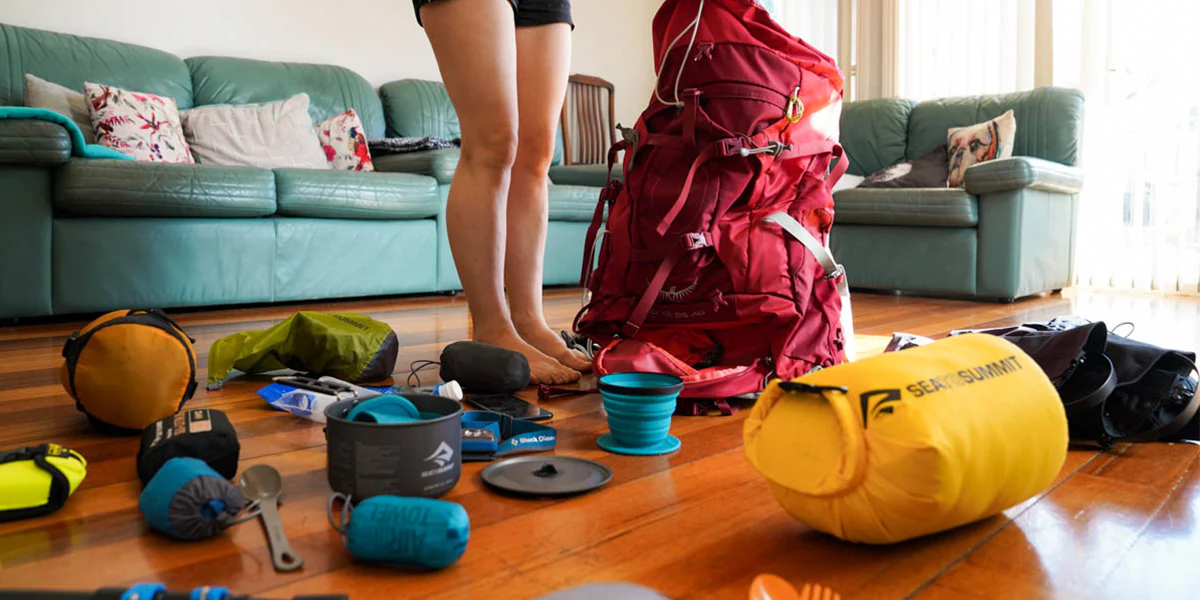
Moisture ruins outdoor gear faster than rough trails or bad weather, and mold is the quiet culprit behind many shortened lifespans of tents, sleeping bags, and packs. I learned early that how gear is stored matters just as much as how it is used in the field. Even high-quality equipment can be destroyed if it goes into storage damp, dirty, or sealed off without airflow. Preventing mold is not complicated, but it does require consistency, patience, and a few habits that become second nature over time.
Storing gear properly starts the moment a trip ends, not weeks later when the gear finally gets unpacked. Mold thrives in dark, warm, and damp environments, which means garages, basements, and sealed bins can become a breeding ground if precautions are not taken. I approach storage as part of the camping routine, the same way I approach packing food or checking weather forecasts. When done right, gear stays fresh, functional, and ready for the next trip without unpleasant surprises.
Cleaning Gear Immediately After a Trip
The first step to preventing mold always happens before storage even becomes a question. Dirt, food residue, sweat, and organic debris give mold something to feed on, especially when moisture is involved. I never put gear away straight from the campsite, no matter how tired I feel after getting home. Even a short delay can allow dampness to settle deep into fabrics and seams.
Tents get shaken out thoroughly and then laid flat so I can remove leaves, sand, and grit. I use lukewarm water and a soft sponge to clean areas with visible dirt, especially along the floor and lower walls. Harsh detergents stay off my gear because they can damage waterproof coatings and leave residues that trap moisture. The goal is to remove contaminants without compromising the material.
Sleeping bags and clothing also get attention right away. Body oils and sweat soak into fabrics, creating ideal conditions for mold if left unwashed. I follow manufacturer instructions carefully, using gentle cleaners and proper drying methods. Clean gear not only resists mold better but also lasts longer and performs as intended.
Drying Everything Completely
Drying is the single most important factor in mold prevention, and partial drying is not enough. Gear can feel dry to the touch while still holding moisture deep inside padding, seams, and folds. I assume nothing is dry until it has had plenty of time exposed to moving air. Rushing this step has caused more problems for campers than almost any other storage mistake.
Tents get set up or draped over lines so air can circulate freely. I pay close attention to corners, mesh panels, and reinforced areas where water tends to linger. Even if a tent was packed dry at camp, humidity during travel can reintroduce moisture. Letting it breathe at home ensures nothing gets trapped.
Sleeping bags and insulated gear require extra patience. I hang them loosely or lay them flat in a well-ventilated area, flipping them occasionally. Thick insulation takes time to release moisture, especially after cold or wet trips. I never store these items until I am confident they are bone dry throughout, not just on the surface.
Selecting the Right Storage Location
Where gear is stored matters just as much as how it is prepared. Mold loves stable warmth and stagnant air, so I avoid sealed spaces that trap humidity. Basements, sheds, and attics can work only if they are dry and well-ventilated. If a space smells musty, gear does not belong there.
I prefer indoor storage areas where temperature and humidity stay relatively stable. Closets with airflow or spare rooms work well, especially when paired with simple humidity control. Air circulation is key, so I avoid stacking gear tightly or pressing it against walls. Giving items room to breathe reduces the chance of moisture buildup.
Garages require extra caution. While convenient, they often experience temperature swings and higher humidity. If gear must be stored there, I elevate it off the floor and ensure containers allow airflow. Mold spores are everywhere, but controlling their environment keeps them from becoming a problem.
Avoiding Airtight Containers for Long-Term Storage
It seems logical to seal gear in airtight bins to protect it, but this often backfires. Trapped air can hold moisture, and without ventilation, even small amounts can lead to mold growth. I use breathable storage solutions whenever possible, especially for fabric-based gear.
Sleeping bags and jackets stay in large cotton or mesh storage sacks instead of compression bags. Compression is fine for travel, but long-term storage needs loft and airflow. Allowing insulation to expand not only prevents mold but also preserves warmth and structure.
For tents and packs, I use loose storage bags or hang them on hooks. If bins are necessary, I choose ones with ventilation holes or leave lids slightly ajar in dry environments. The goal is to balance protection from dust with enough airflow to keep moisture from settling in.
Managing Humidity in Storage Areas
Even clean, dry gear can develop mold if stored in a humid environment. Monitoring and managing humidity is a step many campers overlook. I keep an eye on humidity levels, especially during wet seasons or in naturally damp regions. Small changes can make a big difference.
Desiccants and moisture absorbers are simple tools that work quietly in the background. I place them near stored gear, replacing or recharging them as needed. These help pull excess moisture from the air without affecting the gear itself.
In particularly humid areas, a small dehumidifier can be a worthwhile investment. Running it periodically keeps storage spaces within a safer range. Mold struggles to grow when humidity stays low, making prevention far easier than cleanup later.
Proper Storage of Tents
Tents are especially vulnerable to mold because they combine fabric, coatings, and tight seams. I store tents loosely, never tightly stuffed. Folding along the same lines repeatedly can trap moisture and weaken fabric, so I vary how I fold them over time.
Before storage, I inspect the tent carefully. Any lingering moisture, stains, or odors get addressed immediately. If I notice even a faint musty smell, the tent comes back out for airing and inspection. Early detection prevents bigger problems down the road.
Poles and stakes get stored separately after drying. Metal components can trap moisture against fabric if stored together. Keeping parts organized but separate improves airflow and reduces risk.
Storing Sleeping Bags and Insulation
Insulated gear demands special care because moisture hides easily within fibers. I never store sleeping bags compressed for long periods. Compression traps moisture and damages insulation, creating ideal conditions for mold and mildew.
Hanging sleeping bags in a closet works well if space allows. Otherwise, large breathable sacks keep them safe while allowing air circulation. I also make sure storage areas are free from strong odors, as insulation absorbs smells easily.
Occasionally, I take sleeping bags out of storage to air them, especially during long off-seasons. This habit helps catch any issues early and keeps insulation fresh. Regular attention goes a long way toward preventing unpleasant surprises.
Packs, Clothing, and Footwear Storage
Backpacks often collect sweat and moisture in padding and straps. I clean them thoroughly and let them dry completely before storage. Hanging packs rather than stacking them allows airflow through padding and reduces pressure points.
Clothing gets fully washed and dried before storage, even if it does not look dirty. Sweat and oils are invisible threats that mold loves. I avoid sealing clothing in plastic bags, opting instead for breathable bins or fabric storage.
Footwear requires extra care because moisture hides inside liners and soles. I remove insoles and let shoes air out thoroughly. Storing boots with crumpled paper inside helps absorb residual moisture and maintain shape.
Regular Inspections During Storage
Storage is not a set-it-and-forget-it process. I check my gear periodically, especially during long stretches between trips. A quick inspection can catch early signs of moisture or odor before mold takes hold.
I look for changes in smell, texture, or appearance. Even slight mustiness signals a need to air things out. Addressing problems early saves time, money, and frustration later.
This habit also keeps me familiar with my gear. Knowing its condition helps with trip planning and ensures everything is ready when adventure calls. Prevention becomes routine rather than a reaction to damage.
Dealing With Mold if It Appears
Despite best efforts, mold can sometimes appear. When it does, quick action matters. I take affected gear outside to prevent spreading spores indoors. Gentle cleaning with appropriate solutions helps remove mold without damaging materials.
After cleaning, thorough drying is essential. Gear does not return to storage until all signs of moisture and odor are gone. In severe cases, professional cleaning or replacement may be the safest option, especially for items critical to safety.
Experiencing mold once reinforces the importance of proper storage. Each incident teaches lessons that improve future habits. Prevention becomes more diligent after seeing firsthand how quickly mold can ruin gear.
Building Long-Term Storage Habits
Preventing mold is less about special products and more about consistent habits. Cleaning, drying, ventilating, and checking gear become part of the camping cycle. These steps take time, but they save far more effort in the long run.
I approach storage with the same care I give to planning a trip. Gear represents investment, safety, and comfort in the outdoors. Protecting it ensures many more trips without unnecessary replacements.
Over time, these practices become automatic. Storing gear properly feels natural rather than tedious. Mold prevention stops being a concern because the conditions that allow it simply do not exist.
Final Thoughts on Mold-Free Gear Storage
Learning how to store gear to prevent mold transforms how long equipment lasts and how reliable it remains. Cleanliness, dryness, airflow, and attention work together to create a hostile environment for mold. Skipping any one of these steps opens the door to problems.
I have found that consistent care removes stress from camping preparation. Gear comes out of storage ready to use, smelling fresh and functioning properly. That confidence is worth the effort every time.
Camping gear is built for the outdoors, but storage happens indoors where conditions are controlled. Treating storage as part of the outdoor experience ensures gear stays dependable for years of adventures ahead.
