

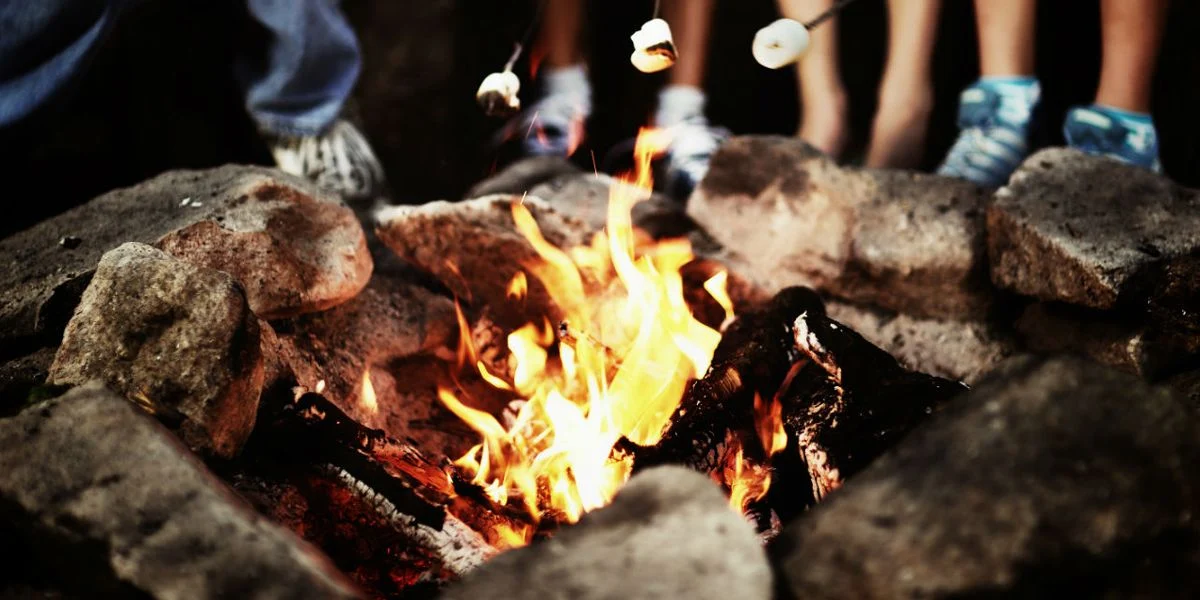
A strong wind can turn a simple campfire into a frustrating battle, yet it never stops me from getting a flame going when I need one. Cold evenings, cooking plans, and simple comfort depend on fire, so I approach windy conditions with patience and a clear method. Over the years, I have learned that wind does not have to ruin a campfire if I work with it instead of fighting it.
Wind affects everything from how fast tinder dries out to how flames spread across kindling. I focus on preparation before I even strike a spark because mistakes are harder to fix once the wind starts stealing heat. A steady approach, thoughtful placement, and smart material choices make all the difference when conditions feel stacked against success.
Reading the Wind Before Starting
Before touching my fire kit, I take time to feel how the wind moves through the campsite. Gusts often change direction based on terrain, trees, and rock formations, and ignoring that can sabotage even a well-built fire lay. I watch grass, leaves, and smoke from nearby campers to see patterns instead of assuming the wind is steady.
This moment of observation helps me decide where the fire should go and how it should be protected. Wind that feels constant at head height might behave very differently near the ground. Taking a few minutes to read these details saves a lot of wasted effort later.
Picking a Sheltered Fire Location
A sheltered spot makes windy fires far more manageable, so I search for natural barriers first. Large rocks, fallen logs, small ridges, or dense shrubs can block wind without trapping smoke too badly. I avoid low areas where wind funnels through like a tunnel, even if they seem hidden at first glance.
I also stay mindful of safety and campground rules while choosing a location. The goal is shelter, not risk, so I never crowd the fire against flammable brush or unstable rocks. A balanced location offers enough protection while keeping the fire controlled and visible.
Preparing the Ground Properly
Solid ground preparation helps the fire resist gusts that would otherwise scatter embers. I clear away loose debris, pine needles, and leaves so sparks have nowhere to land. Bare soil, sand, or a fire ring creates a stable base that stays predictable even when wind picks up.
If the ground is uneven, I level it as much as possible using my boot or a flat rock. A level base keeps the fire structure intact when flames start leaning in the wind. This small step adds stability that becomes obvious once the fire grows.
Building a Wind-Resistant Fire Structure
In windy conditions, fire structure matters more than usual. I prefer compact fire lays that shield the flame rather than open designs that invite gusts inside. A tight teepee or a modified log cabin style works well because it protects the core heat.
I angle kindling slightly into the wind so the flame feeds inward instead of being pushed away. This positioning helps the fire grow stronger rather than sputter out. Every stick plays a role, so I take my time stacking them with intention.
Using Natural Windbreaks Effectively
Natural windbreaks do more than block air; they shape how the fire breathes. I place my fire on the leeward side of rocks or logs so the structure itself shields the flame. This reduces the need to constantly adjust materials once the fire starts.
I avoid building directly against a windbreak because airflow still needs a path. A small gap allows oxygen in without letting strong gusts rush through. This balance keeps the fire alive and steady instead of smothered or scattered.
Gathering the Right Tinder for Windy Weather
Tinder choice can make or break a windy campfire, so I never rely on just one option. Dry, fibrous materials like birch bark, dry grass, or shredded wood catch quickly and generate heat fast. I often prepare extra tinder because wind can consume it faster than expected.
I keep tinder protected until the moment I use it. Pockets, dry bags, or even a hat can shield it from moisture and wind. Starting with strong, dry tinder gives the flame a fighting chance from the very first spark.
Selecting Kindling That Catches Fast
Kindling needs to ignite quickly and burn hot to survive gusts. I choose pencil-thick sticks and split wood whenever possible to expose dry inner surfaces. This approach creates reliable ignition even if the outer bark feels damp or cold.
I organize kindling by size before lighting the fire. Reaching for the right piece without fumbling reduces time the flame spends vulnerable. Wind punishes hesitation, so preparation keeps the process smooth.
Keeping Matches and Fire Starters Protected
Wind loves to steal sparks and blow out small flames, so I protect ignition sources carefully. I cup matches with my hands and strike them close to the ground where wind is weaker. Lighters get shielded behind my body or a pack to keep the flame steady.
Fire starters like wax cubes or cotton balls burn longer, which helps in windy conditions. I often rely on them because they buy time for kindling to catch. That extra margin reduces stress and improves consistency.
Lighting the Fire With Patience
Lighting a fire in the wind requires calm, steady movements. I bring the flame to the tinder rather than dropping tinder onto the flame. This control prevents sudden gusts from scattering materials.
Once the tinder catches, I resist the urge to rush. Letting it build heat before adding more fuel increases success. Patience here saves far more time than frantic adjustments.
Feeding the Flame Gradually
I add kindling slowly once the fire shows strength. Dumping too much wood too fast can choke the flame or create unstable shifts when wind pushes through gaps. Each addition should support the structure instead of overwhelming it.
I watch how flames move and adjust placement accordingly. Wind can tilt flames, so I place new sticks where heat naturally flows. This rhythm keeps the fire growing rather than struggling.
Using Body Position as a Temporary Shield
Sometimes natural windbreaks are not enough, so I use my body as a shield. Kneeling or crouching upwind blocks gusts during the most delicate moments. This simple technique can mean the difference between success and failure.
I stay aware of safety while doing this. Loose clothing, backpacks, and gear stay clear of sparks. Acting as a windbreak is temporary, just long enough to let the fire establish itself.
Adjusting Fire Size to Conditions
In windy conditions, bigger is not always better. A compact, hot fire often performs more reliably than a large, scattered one. I focus on building heat first and expanding only when conditions allow.
Once the fire is stable, I can add larger logs to maintain it. This gradual growth keeps embers contained and reduces the chance of wind-driven sparks. Control matters more than spectacle.
Managing Smoke and Direction
Wind changes how smoke behaves, and I stay aware of where it flows. Positioning the fire so smoke moves away from camp improves comfort and visibility. This also helps me monitor flame behavior more easily.
I adjust seating and cooking positions instead of forcing the fire to cooperate. Flexibility keeps the experience enjoyable even when the wind refuses to settle.
Cooking Over a Fire in the Wind
Cooking adds another layer of challenge, but it is manageable with planning. I use stable cookware and keep flames consistent rather than roaring. Wind can cause uneven heat, so patience becomes essential.
I shield pots with rocks or a windscreen when possible. This keeps heat focused and reduces fuel consumption. Cooking slowly and deliberately produces better results than fighting the wind.
Staying Safe While Managing Gusts
Safety never leaves my mind when wind is involved. Sparks travel farther, and embers stay hot longer, so I keep water or dirt nearby. A watchful eye prevents small issues from becoming dangerous.
I avoid leaving the fire unattended, even for a moment. Wind can change quickly, and vigilance keeps control intact. Responsibility matters as much as technique.
Extinguishing the Fire Completely
Ending a windy campfire demands just as much care as starting it. I drown the fire thoroughly and stir ashes to expose hidden heat. Wind can reignite embers if they are not fully extinguished.
I repeat the process until everything feels cool to the touch. Taking extra time here protects the campsite and future campers. A clean finish is part of good outdoor ethics.
Learning From Each Windy Experience
Every windy fire teaches me something new. Conditions change, locations vary, and materials behave differently each time. I pay attention to what worked and what struggled so I can adapt next time.
These lessons build confidence and reduce frustration. Windy conditions stop feeling intimidating once patterns become familiar. Experience turns challenge into routine.
Final Thoughts on Windy Campfires
Starting a campfire in windy conditions demands preparation, awareness, and patience. I rely on observation, smart placement, and deliberate building rather than rushing the process. These habits transform difficult weather into a manageable obstacle.
Fire connects me to comfort, warmth, and tradition while camping. Wind may complicate the process, but it never stops it entirely. With the right approach, a steady flame is always within reach.
