

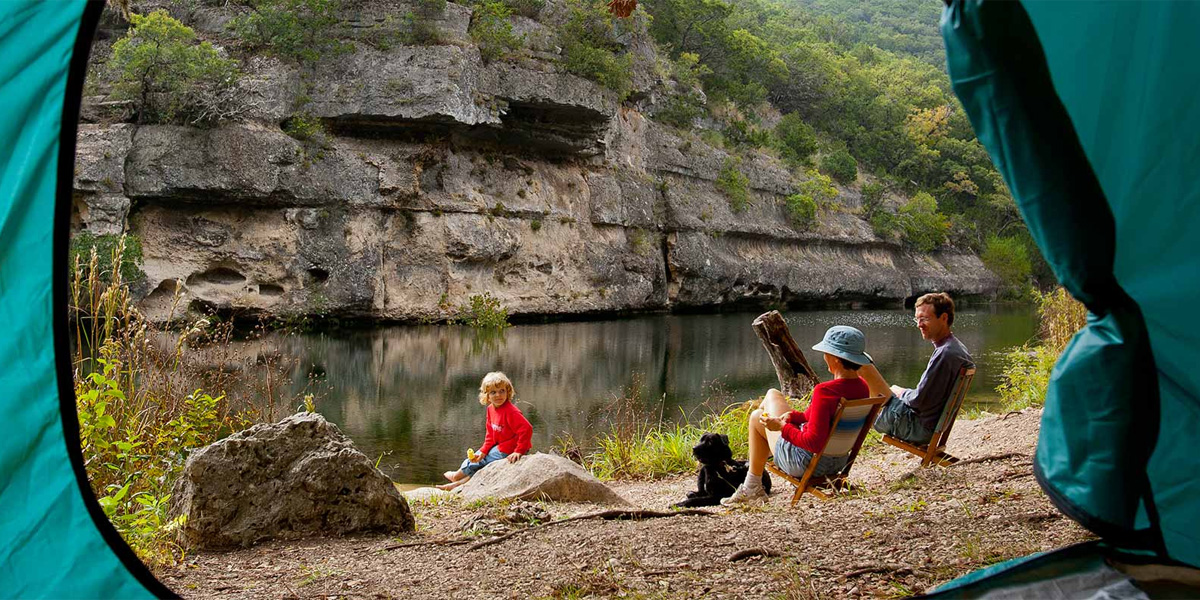
Wildlife viewing has always shaped how I choose camping destinations. Waking up to birdsong, spotting tracks near camp, or catching a glimpse of an animal moving through the trees adds a layer of excitement that never feels staged. Camping places me inside these environments instead of passing through them for a few hours. Staying overnight allows patterns to emerge, and those quiet early mornings and fading evenings often deliver the most memorable encounters.
Some camping areas stand out because wildlife activity feels constant and natural rather than rare or accidental. These places offer diverse habitats, protected land, and enough space for animals to behave as they normally would. Over time, I have learned where patience pays off and where animals tend to appear consistently. The following camping areas offer some of the best wildlife viewing experiences I have encountered, while still providing accessible and rewarding camping opportunities.
Yellowstone National Park
Yellowstone National Park remains one of the most reliable places for wildlife viewing while camping. The park supports a wide range of species, from bison and elk to wolves and bears. Camping within the park allows early starts and late evenings, which is when wildlife activity peaks.
I have watched herds of bison move through open valleys just after sunrise and listened to distant wolf howls after dark. Campgrounds place you close to prime viewing areas, reducing the need for long drives. Wildlife here feels integrated into the landscape rather than hidden. Yellowstone delivers an unmatched sense of scale and presence that few other places can replicate.
Grand Teton National Park
Grand Teton National Park offers a more intimate wildlife viewing experience than Yellowstone, while still delivering dramatic scenery. The valley floors, rivers, and open meadows create ideal conditions for spotting animals throughout the day. Moose, elk, deer, and a wide variety of birds move freely through these spaces.
Camping nearby allows slow exploration without rushing between locations. I enjoy quiet mornings watching fog lift off the Snake River while animals graze along the banks. Evenings often bring movement near forest edges as temperatures cool. The Tetons provide consistent wildlife encounters framed by striking mountain backdrops.
Denali National Park
Denali National Park offers wildlife viewing that feels raw and untamed. Vast open tundra allows animals to be seen from great distances, making spotting wildlife easier without disturbing them. Caribou, grizzly bears, wolves, and Dall sheep roam freely across enormous landscapes.
Camping in or near Denali places you inside this expansive environment. I appreciate how silence amplifies distant movement and sound. Wildlife encounters feel unfiltered, shaped by patience and observation rather than convenience. Denali rewards campers who value space, quiet, and long periods of watchful stillness.
Everglades National Park
Everglades National Park provides wildlife viewing unlike anywhere else I have camped. Wetlands stretch endlessly, supporting birds, reptiles, and mammals adapted to this unique ecosystem. Camping here immerses you in an environment where wildlife activity continues day and night.
I have watched wading birds hunt at sunrise and listened to frogs and insects create a steady nighttime chorus. Alligators often remain visible along waterways, while manatees appear in calmer waters during cooler months. Camping in the Everglades encourages slower movement and careful observation. Wildlife encounters here feel constant and deeply connected to the landscape.
Olympic National Park
Olympic National Park offers diverse wildlife viewing opportunities across forests, mountains, and coastline. Each ecosystem supports different species, making camping here feel varied and unpredictable. Elk frequently appear in forested valleys, while tide pools reveal marine life along the coast.
Camping allows time to explore each environment without rushing between them. I enjoy early morning walks through misty forests where animal movement feels subtle but present. Coastal campsites provide chances to watch seals, seabirds, and occasional whales offshore. Olympic National Park delivers layered wildlife experiences shaped by geography and season.
Great Smoky Mountains National Park
The Great Smoky Mountains support one of the most diverse ecosystems in North America. Dense forests, streams, and meadows provide habitat for black bears, deer, salamanders, and countless bird species. Camping places you in the heart of this biodiversity.
I find wildlife viewing here especially rewarding during early mornings. Mist hangs low in valleys while animals move quietly along forest edges. Campgrounds near open fields often attract deer and other grazing species. The Smokies offer wildlife encounters that feel intimate and grounded in a rich, living landscape.
Cuyahoga Valley National Park
Cuyahoga Valley National Park offers wildlife viewing in a quieter, more accessible setting. Forests, wetlands, and river corridors create excellent habitat for birds, mammals, and amphibians. Camping nearby allows repeated visits to the same areas, revealing daily patterns.
I enjoy how wildlife viewing here feels relaxed rather than dramatic. Beavers, herons, and deer appear regularly, especially near water. Seasonal changes bring different species into focus throughout the year. Cuyahoga Valley proves that strong wildlife experiences exist outside remote wilderness areas.
Big Bend National Park
Big Bend National Park offers wildlife viewing shaped by desert and mountain environments. The variety of habitats supports animals adapted to extreme conditions, including javelinas, foxes, birds, and reptiles. Camping allows time to notice subtle signs of life across the landscape.
I have watched animals emerge at dawn and dusk when temperatures drop. Birds become especially active near water sources, and mammals often appear briefly before retreating. Nighttime reveals a different side of the park, with sounds and movement under starlit skies. Big Bend delivers wildlife encounters that reward awareness and patience.
Glacier National Park
Glacier National Park offers wildlife viewing framed by dramatic terrain. Mountain valleys, alpine meadows, and forested slopes support species such as mountain goats, bighorn sheep, bears, and moose. Camping within the park allows early access to quieter areas.
I enjoy hiking from camp during early hours when animals move freely. Glacier’s open spaces make spotting wildlife easier, even from a distance. Seasonal changes influence where animals appear, encouraging exploration across elevations. Glacier offers wildlife viewing that feels both powerful and balanced.
Theodore Roosevelt National Park
Theodore Roosevelt National Park offers consistent wildlife viewing with fewer crowds than many larger parks. Rolling badlands and grasslands support bison, wild horses, prairie dogs, and elk. Camping here places you close to active wildlife corridors.
I appreciate how animals move openly across the landscape without heavy human presence. Sunrise and sunset deliver especially strong viewing opportunities. The park’s smaller size makes repeated visits to the same areas possible, revealing patterns over time. Theodore Roosevelt National Park delivers reliable and rewarding wildlife encounters.
Algonquin Provincial Park
Algonquin Provincial Park offers wildlife viewing in a vast, forested environment shaped by lakes and rivers. Moose, beavers, wolves, and countless bird species thrive here. Camping by water increases the chances of quiet encounters, especially during early mornings.
I enjoy paddling near camp as mist lifts from lakes and animals appear along shorelines. Sounds carry easily across water, adding to the sense of connection. Wildlife viewing here feels peaceful and immersive rather than hurried. Algonquin rewards campers who move slowly and observe carefully.
Kruger National Park
Kruger National Park delivers wildlife viewing on a scale few places can match. Camping inside the park allows close proximity to some of the most iconic animals on the planet. Elephants, lions, giraffes, and countless other species move freely across protected land.
I find camping here enhances the experience by extending time beyond daylight drives. Sounds at night reveal unseen movement nearby. Early mornings bring animals to water sources, offering predictable viewing opportunities. Kruger delivers wildlife encounters that feel immediate and unforgettable.
Banff National Park
Banff National Park offers wildlife viewing within a striking mountain environment. Elk, bears, mountain goats, and bighorn sheep appear regularly near valleys and rivers. Camping allows access to quieter areas during low-traffic hours.
I enjoy watching animals move through open spaces as daylight fades. Cooler temperatures encourage activity, especially during early mornings. Banff balances accessibility with strong wildlife presence. The combination of scenery and animal encounters creates lasting impressions.
Masai Mara National Reserve
Masai Mara National Reserve offers wildlife viewing defined by movement and scale. Camping near migration routes places you close to dramatic seasonal events involving vast numbers of animals. Wildlife activity feels constant and dynamic.
I value how camping extends viewing opportunities beyond guided drives. Sounds of animals moving through grasslands create a powerful sense of immersion. Early mornings and evenings reveal shifting patterns across the plains. Masai Mara delivers wildlife viewing shaped by rhythm and migration.
Tips for Wildlife Viewing While Camping
Successful wildlife viewing while camping depends on patience and awareness. I focus on quiet movement, early starts, and spending extended time in one area. Wildlife often appears when attention drifts and surroundings settle.
Respecting distance remains essential. Observing without interfering ensures safety for both people and animals. I also pay attention to wind direction, lighting, and terrain. These details shape visibility and animal behavior more than location alone.
Why Camping Improves Wildlife Encounters
Camping improves wildlife viewing by expanding time spent in natural environments. Early mornings and evenings often reveal activity missed during short visits. Staying overnight allows familiarity with local patterns.
I find repeated observation builds understanding without effort. Animals move with confidence when human presence remains consistent and respectful. Camping turns wildlife viewing into a process rather than a single moment. That extended connection deepens every encounter.
Final Thoughts
The best camping areas for wildlife viewing offer more than just the chance to spot animals. They provide environments where wildlife thrives naturally and consistently. Camping within these areas allows time, patience, and quiet observation to work together.
Each destination on this list has shaped how I experience the outdoors. Wildlife encounters gained through camping feel earned and personal. For anyone seeking meaningful connections with nature, camping in wildlife-rich areas delivers experiences that last far beyond the trip itself.
