

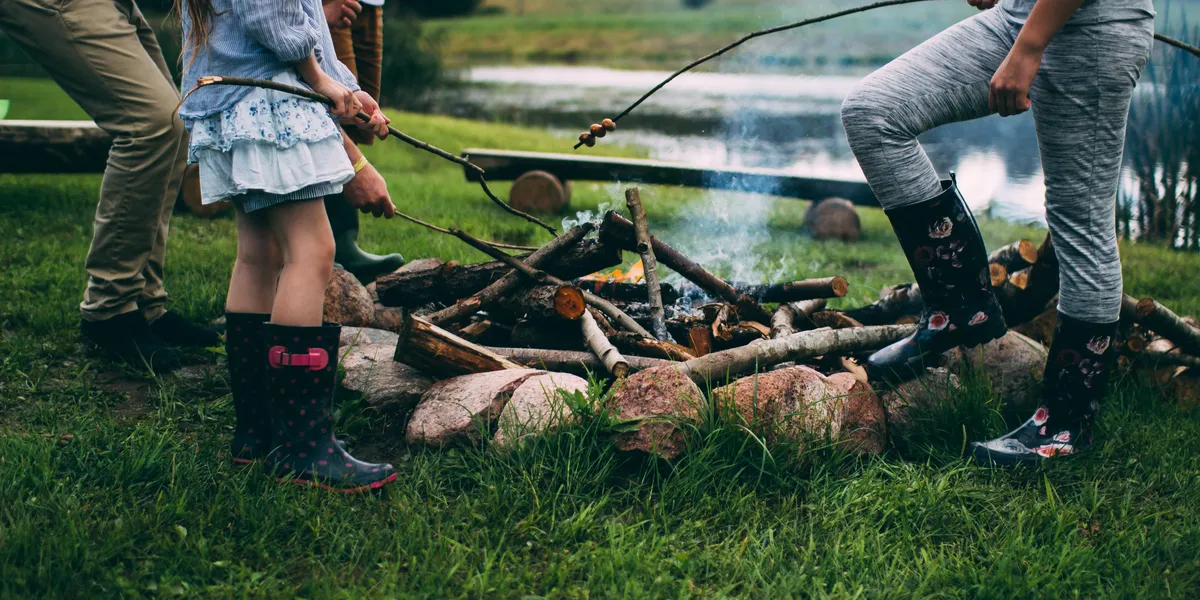
Campfire cooking adds a special rhythm to camping that turns meals into experiences rather than chores. Cooking over open flames slows everything down and makes me pay attention to heat, timing, and ingredients in a way a kitchen never does. For first-time campfire cooking, the process can feel intimidating, but it becomes enjoyable with the right approach and mindset. These camping tips for first-time campfire cooking focus on preparation, patience, and simple habits that build confidence and turn camp meals into highlights of the trip.
Planning Meals Before Leaving Home
Good campfire cooking starts long before the fire is lit. I plan meals carefully so I know exactly what I will cook and how it will be prepared. Simple meals with minimal steps reduce stress and make cooking over a fire more manageable. Planning also helps me avoid bringing unnecessary ingredients or forgetting essentials.
Meal planning keeps expectations realistic. Campfire cooking takes more time and flexibility than cooking at home. By planning meals that match the pace of camping, I set myself up for success instead of frustration.
Packing The Right Cooking Gear
The right tools make campfire cooking smoother and safer. I pack sturdy cookware designed for open flames, such as cast iron or heavy-duty metal pans. Lightweight kitchen items often do not hold up well over a fire and can lead to uneven cooking.
I also bring long-handled utensils, heat-resistant gloves, and a cutting board. Having proper tools gives me better control and confidence while cooking. Thoughtful packing prevents last-minute improvisation that can lead to mistakes.
Keeping Ingredients Simple And Prepared
Complex recipes do not translate well to campfire cooking, especially for beginners. I stick to simple ingredients that can be prepped at home. Chopping vegetables, marinating meats, and portioning ingredients ahead of time saves effort at camp.
Prepared ingredients reduce the amount of work needed around the fire. This allows me to focus on managing heat and timing. Simplicity keeps cooking enjoyable instead of overwhelming.
Building A Proper Cooking Fire
Not all campfires are suitable for cooking. I focus on building a fire that produces steady heat rather than tall flames. A bed of hot coals provides the most consistent cooking surface and reduces the risk of burning food.
I give the fire time to settle before cooking. Rushing this step often leads to uneven results. Patience during fire preparation pays off once cooking begins.
Managing Heat Without Stress
Heat control is one of the biggest challenges for first-time campfire cooking. I adjust heat by moving cookware closer to or farther from the coals rather than adding more fuel. Small adjustments make a big difference.
Learning to read the fire takes practice. Watching how food reacts helps guide decisions. Over time, managing heat becomes intuitive rather than intimidating.
Setting Up A Safe Cooking Area
Safety matters when cooking over an open fire. I set up a clear cooking area free of clutter and trip hazards. Stable surfaces and secure cookware placement reduce the risk of accidents.
I stay aware of wind direction and fire regulations. A safe setup creates peace of mind and allows me to focus on cooking. Confidence grows when safety is prioritized.
Starting With Easy Campfire Recipes
For first-time campfire cooking, I start with forgiving recipes. Foil packet meals, skewers, and one-pan dishes offer flexibility and easy cleanup. These options allow room for error without ruining the meal.
Easy recipes build confidence quickly. Each successful meal reinforces skills and encourages experimentation. Starting simple creates a positive learning curve.
Timing Meals With The Fire
Timing matters more with campfire cooking than with kitchen appliances. I plan meals around the fire’s natural progression. Cooking when the fire has settled into coals produces better results than trying to cook too early.
I stay flexible with timing. Campfire meals take as long as they take, and that is part of the experience. Embracing the slower pace reduces frustration.
Using Foil Packets Effectively
Foil packets are a beginner-friendly way to cook over a campfire. I layer ingredients carefully and seal packets tightly to trap heat and moisture. This method protects food from direct flames and allows even cooking.
I turn packets occasionally to avoid hot spots. Opening them carefully prevents steam burns. Foil packets simplify cooking while delivering satisfying meals.
Cooking With Cast Iron Confidence
Cast iron cookware is a reliable companion for campfire cooking. I use it for everything from breakfasts to dinners. Its ability to retain heat makes it ideal for uneven fire conditions.
I handle cast iron carefully and allow it to heat gradually. Sudden temperature changes can affect results. With patience, cast iron becomes a versatile and dependable tool.
Managing Food Safety Outdoors
Food safety does not stop at the campsite. I keep raw and cooked foods separate and store perishables properly. Coolers with ice packs help maintain safe temperatures.
I wash hands or use sanitizing wipes before handling food. Clean practices reduce the risk of illness. Paying attention to food safety keeps the trip enjoyable.
Cooking Without Rushing
Rushing leads to burned food and unnecessary stress. I remind myself that campfire cooking rewards patience. Slow cooking allows flavors to develop and prevents mistakes.
Taking my time also makes the process relaxing. Cooking becomes part of the camping experience rather than a task to complete. Calm cooking leads to better meals.
Adjusting Recipes On The Fly
Campfire conditions change constantly. Wind, temperature, and fire size all affect cooking. I stay flexible and adjust recipes as needed rather than following rigid steps.
Improvisation becomes a skill with practice. Adjusting cook times or ingredient placement keeps meals on track. Flexibility turns challenges into learning moments.
Managing Cleanup After Cooking
Cleanup is easier when planned for. I use minimal cookware and clean items while they are still warm. Warm water and a simple scrub often do the job.
I dispose of food scraps properly and leave the cooking area clean. Good cleanup habits protect wildlife and maintain campsite quality. Ending meals with a tidy space feels rewarding.
Cooking Breakfast Over A Campfire
Breakfast sets the tone for the day. I keep campfire breakfasts simple and hearty. Foods like eggs, bread, and pre-cooked items work well.
Morning fires tend to be smaller, which suits breakfast cooking. I allow time for the fire to develop before starting. A calm breakfast routine makes mornings enjoyable.
Preparing Lunch With Minimal Fire Time
Lunch does not always require a full cooking setup. I plan lunches that need little or no cooking. This conserves fuel and energy during the day.
When cooking is needed, I keep it quick. Simple reheating or grilling works well. Efficient lunches keep the day moving smoothly.
Handling Dinner With Confidence
Dinner often feels like the main event. I approach it with a relaxed mindset and clear plan. By this point, the fire is usually well established.
I cook in stages rather than all at once. This helps manage heat and timing. A steady approach produces satisfying results.
Dealing With Mistakes Calmly
Mistakes happen, especially for beginners. I treat burned food or uneven cooking as part of the learning process. Frustration only takes away from the experience.
I focus on what can be salvaged and adjust next time. Each mistake teaches valuable lessons. Calm responses build confidence and resilience.
Cooking As A Social Experience
Campfire cooking naturally brings people together. I enjoy sharing tasks and stories while cooking. Conversation flows easily around the fire.
Cooking becomes less about perfection and more about connection. Shared meals strengthen bonds. Social cooking adds warmth to the experience.
Respecting Fire Regulations And Nature
Fire regulations exist for a reason. I follow all local rules regarding campfires and cooking. Respect for regulations protects the environment and fellow campers.
I use established fire rings and extinguish fires properly. Responsible behavior ensures continued access to campfire cooking. Respect for nature enhances the experience.
Building Skills Over Time
Confidence with campfire cooking grows gradually. I reflect on each meal and note what worked well. Small improvements add up quickly.
I experiment slowly with new techniques and recipes. Skill-building feels natural with practice. Growth comes from experience rather than pressure.
Ending Meals With Reflection
After eating, I take a moment to appreciate the effort and environment. Campfire meals feel more satisfying because of the work involved. Reflection adds meaning to the experience.
These moments of appreciation stay memorable. Cooking becomes part of the story of the trip. Reflection completes the meal.
Conclusion
Campfire cooking for the first time feels challenging but deeply rewarding. With preparation, patience, and simple strategies, it becomes an enjoyable part of camping rather than a source of stress. These camping tips for first-time campfire cooking emphasize confidence, safety, and adaptability. Each meal cooked over a campfire builds skills and creates memories that make camping feel richer and more fulfilling.
