

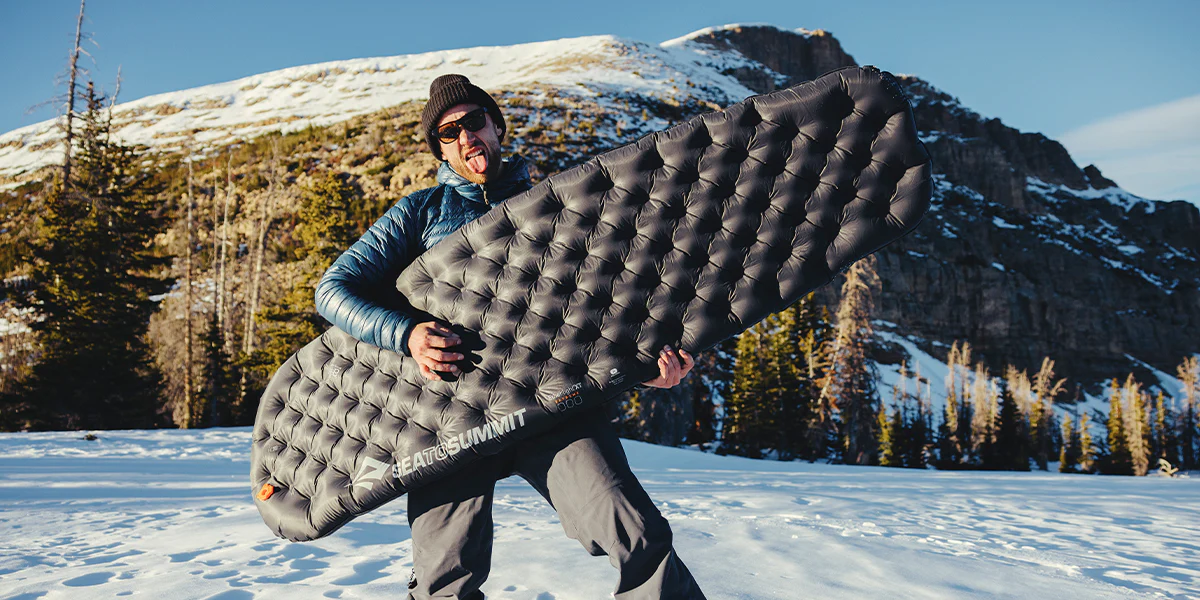
Long weekend camping trips offer a perfect balance between escape and practicality. They are short enough to fit into busy schedules yet long enough to recharge, explore, and settle into a rhythm outdoors. I approach these trips with a slightly different mindset than longer adventures, focusing on efficiency, flexibility, and making every day count without turning the experience into a rushed checklist.
Planning With Time Limits in Mind
A long weekend moves faster than expected. I plan with the understanding that travel time, setup, and breakdown will eat into the available hours. That awareness shapes every decision, from destination distance to daily activities.
I avoid overly ambitious itineraries. A simple plan with room to breathe feels more rewarding than trying to squeeze in too much. Thoughtful pacing ensures the trip feels relaxing rather than hurried.
Picking Destinations That Maximize Time
Distance matters more on short trips. I prioritize locations that allow more time at camp and less time on the road. A closer destination often delivers a better experience than a far-off spot that requires long drives.
Accessibility also plays a role. Campsites with straightforward access reduce setup stress and allow quicker immersion. Choosing wisely preserves precious weekend hours.
Packing Efficiently for Short Stays
Packing for a long weekend requires discipline. I bring what I need without preparing for every possible scenario. Overpacking slows setup and creates unnecessary clutter.
I rely on refined packing lists built from experience. Each item earns its place based on usefulness. Efficient packing simplifies both arrival and departure.
Organizing Gear for Quick Setup
Quick setup sets the tone for the trip. I organize gear so essential items are accessible immediately. Tents, sleeping gear, and lighting come out first.
This approach minimizes downtime and frustration. Smooth setup means more time to relax or explore. Organization supports a calm start.
Arriving Early Whenever Possible
Arrival timing influences the entire weekend. I aim to arrive as early as possible on the first day. Extra daylight makes setup easier and reduces stress.
Early arrival also allows time to settle in and enjoy the surroundings. That initial calm carries through the rest of the trip. Starting strong matters on short adventures.
Establishing Camp With Purpose
Camp setup should support the trip’s goals. I arrange the campsite with convenience in mind, placing frequently used items within easy reach. Thoughtful layout prevents constant rearranging.
Clear zones for cooking, sleeping, and relaxing improve flow. A purposeful setup saves time throughout the weekend. Efficiency enhances enjoyment.
Simplifying Meal Planning
Meals can consume more time than expected. I plan simple, satisfying meals that require minimal prep and cleanup. Familiar recipes work best on short trips.
Prepping ingredients at home saves time at camp. Easy meals free up hours for relaxation and exploration. Food planning directly impacts how the weekend feels.
Managing Food Storage Smartly
Food storage needs to be efficient and secure. I group meals by day or purpose to avoid rummaging. Clear organization speeds up cooking and reduces waste.
Proper storage also helps manage wildlife interactions. Clean, organized food areas keep campsites comfortable. Smart storage supports smoother days.
Balancing Activities and Rest
Long weekends tempt packed schedules. I balance activities with downtime to avoid burnout. Rest is just as valuable as adventure.
I leave space for spontaneous moments. Flexibility allows the trip to unfold naturally. Balanced days feel more fulfilling.
Prioritizing One or Two Main Activities
Instead of trying to do everything, I focus on one or two main activities. Whether hiking, fishing, or relaxing by the fire, clear priorities simplify planning.
This focus reduces pressure and decision fatigue. Enjoying fewer activities deeply beats rushing through many. Clarity enhances satisfaction.
Staying Flexible With Weather
Weather can shift plans quickly. I prepare for changes without becoming rigid. Backup activities ensure enjoyment regardless of conditions.
Flexibility prevents disappointment. Adapting plans keeps morale high. Weather becomes a factor, not a barrier.
Packing Clothing for Versatility
Clothing choices matter on short trips. I pack versatile layers that adapt to changing conditions. Multi-use items reduce volume and simplify decisions.
Planning outfits ahead of time avoids overpacking. Efficient clothing systems save time and space. Versatility supports comfort.
Managing Energy Levels
Energy management shapes the experience. I pace activities to avoid exhaustion. Long weekends should refresh, not drain.
Listening to the body prevents fatigue. Balanced effort keeps spirits high. Energy awareness enhances enjoyment.
Keeping Campsite Maintenance Minimal
Constant tidying eats into leisure time. I keep maintenance simple with quick daily resets. Small habits prevent mess without effort.
An organized campsite reduces stress. Minimal maintenance supports relaxation. Simplicity keeps focus on enjoyment.
Using Evenings Wisely
Evenings offer valuable downtime. I plan low-effort activities like stargazing or quiet conversations. These moments often become trip highlights.
Avoiding late-night overexertion helps maintain energy. Calm evenings support better sleep. Evenings shape the trip’s rhythm.
Sleeping Well to Maximize Days
Sleep quality affects every aspect of a short trip. I prioritize comfort with proper sleeping gear. Rested mornings feel more productive and enjoyable.
Consistent sleep routines help the body adjust. Quality rest extends enjoyment. Sleep supports full use of limited time.
Managing Technology Thoughtfully
Technology can enhance or distract. I use it selectively for navigation or photos. Constant connectivity reduces immersion.
Setting boundaries with devices preserves the experience. Presence matters more than notifications. Mindful technology use improves satisfaction.
Staying Organized Throughout the Trip
Organization saves time on short trips. I return items to designated spots. This habit prevents searching and frustration.
Consistent organization keeps the campsite functional. Order supports efficiency. Staying organized maximizes relaxation.
Planning for a Smooth Departure
Departure planning begins early. I pack non-essential items ahead of time. Gradual breakdown prevents last-minute stress.
A smooth departure leaves a positive final impression. Ending calmly matters. Thoughtful planning eases the transition home.
Leaving the Campsite Clean
Clean campsites reflect respect for nature. I pack out all waste and inspect the area. Leaving no trace feels responsible.
Cleanliness also speeds departure. Orderly campsites support smooth exits. Respect enhances the experience.
Reflecting on the Experience
Reflection helps refine future trips. I note what worked and what felt rushed. These insights guide improvements.
Each long weekend teaches lessons. Experience builds confidence. Reflection strengthens planning skills.
Adapting Tips to Group Trips
Group dynamics influence planning. I communicate expectations clearly. Shared goals prevent conflict.
Dividing responsibilities saves time. Cooperation enhances efficiency. Group trips benefit from structure.
Avoiding Overplanning
Overplanning reduces enjoyment. I leave room for spontaneity. Flexibility allows natural flow.
Simple plans adapt better. Overplanning adds pressure. Balance supports relaxation.
Making the Most of Short Adventures
Long weekends are about quality, not quantity. I focus on presence and enjoyment. Every moment counts.
Mindful engagement creates lasting memories. Short trips can feel rich. Intention transforms limited time.
Conclusion
Camping Tips for Long Weekend Trips center on efficiency, balance, and intention. Short adventures reward thoughtful planning and flexible execution. Each decision shapes how much enjoyment fits into limited time.
Long weekends offer powerful resets when approached with clarity. With smart preparation and mindful pacing, these trips deliver rest, adventure, and renewal. Camping becomes less about rushing and more about savoring every moment outdoors.
