

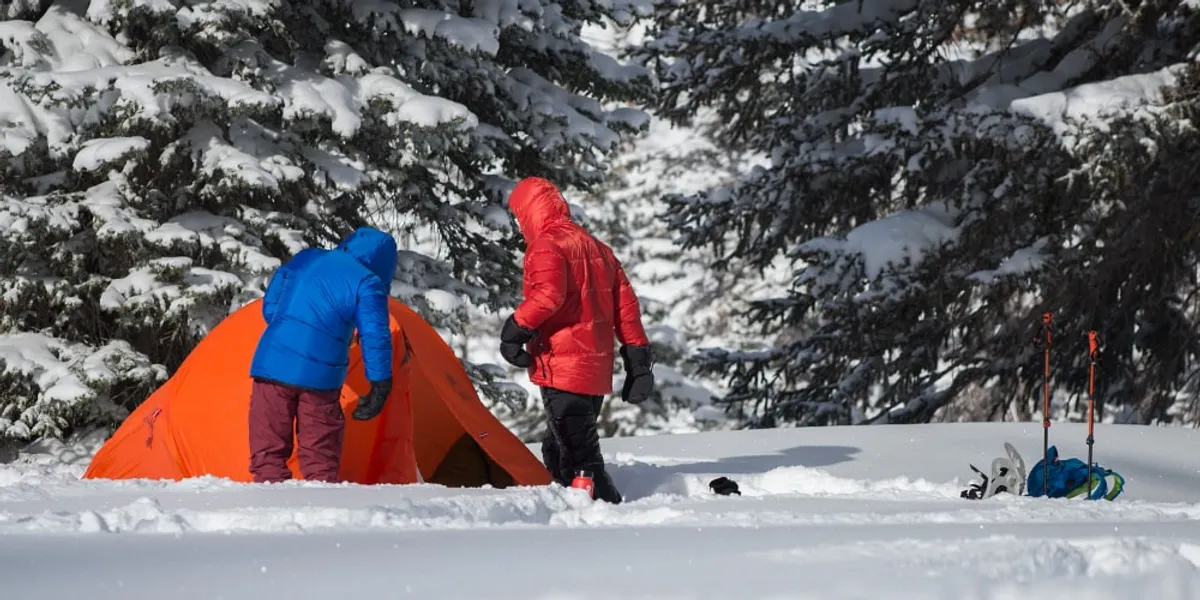
Packing for a camping trip can either set the tone for a relaxed adventure or turn into a frustrating chore that drains excitement before the journey even begins. I have learned over many trips that packing stress usually comes from disorganization, overthinking, and last-minute decisions. By refining my approach and building habits that work trip after trip, packing has become a calm and even enjoyable part of camping. These camping tips to reduce packing stress are based on practical routines that keep my gear organized, my mind clear, and my focus on the experience ahead instead of the bags on the floor.
Start With A Clear Plan
A calm packing process begins with clarity about the trip itself. I always take time to think through where I am going, how long I will be out, and what conditions I am likely to face. Weather forecasts, campsite amenities, and planned activities all influence what needs to come along. This mental framework prevents random packing and reduces the urge to throw in unnecessary items out of uncertainty.
Writing down a simple trip outline helps translate that plan into action. I note the number of days, expected temperatures, and whether the trip involves hiking, fishing, or relaxed campsite time. This overview keeps me focused and makes packing feel purposeful rather than rushed. Having a clear plan also helps avoid overpacking, which is one of the biggest sources of stress.
Build A Master Packing List
One of the most effective camping tips to reduce packing stress is maintaining a master packing list. I keep a detailed list that includes everything I could possibly need, from shelter and clothing to small personal items. Instead of starting from scratch each time, I copy the list and customize it for the specific trip. This saves time and eliminates the anxiety of forgetting something important.
Over time, this list becomes more refined. After each trip, I update it based on what I used often, what I did not touch, and what I wished I had brought. This ongoing adjustment makes future packing easier and more accurate. The list becomes a trusted guide rather than a rigid rule.
Pack In Stages Instead Of All At Once
Trying to pack everything in one sitting often leads to frustration and mistakes. I prefer to pack in stages over several days, especially for longer trips. Early on, I gather big items like tents, sleeping bags, and cooking gear. Closer to departure, I add clothing, food, and last-minute essentials.
Staged packing spreads out the workload and keeps the process manageable. It also allows time to notice missing or damaged gear without panic. This approach turns packing into a series of small, low-stress tasks instead of one overwhelming event.
Keep Camping Gear Organized At Home
Packing stress often begins long before a trip if gear is scattered or poorly stored. I dedicate specific storage areas for camping equipment so everything has a place. Tents, stoves, and cookware are grouped together, while smaller items like headlamps and tools are stored in labeled containers.
This organization makes packing faster because I am not searching through closets or garages. Seeing all my gear in one place also gives me confidence that nothing important is being overlooked. Organized storage reduces mental clutter as much as physical clutter.
Use Packing Containers And Bags
Loose items are a recipe for stress. I rely on packing containers, stuff sacks, and zippered bags to keep gear sorted. Clothing goes into separate bags based on purpose, such as sleepwear, daytime layers, and rain gear. Cooking supplies are grouped together, and personal items have their own pouch.
This system makes it easy to pack and unpack without chaos. It also simplifies life at camp because I can quickly find what I need. Knowing exactly where each item belongs reduces decision fatigue and keeps the process smooth.
Limit Clothing With Smart Layering
Overpacking clothes is a common source of stress, both during packing and on the road. I focus on versatile pieces that layer well and serve multiple purposes. Neutral colors, quick-dry fabrics, and items that work for both day and evening help reduce the total number of clothes needed.
By planning outfits instead of individual items, I avoid bringing extras “just in case.” This mindset keeps bags lighter and packing simpler. Fewer clothes also mean fewer decisions when getting dressed at camp, which adds to overall relaxation.
Prepare A Dedicated Toiletry Kit
Forgetting toiletries or scrambling to gather them at the last minute can add unnecessary tension. I keep a dedicated camping toiletry kit stocked with travel-size essentials. Items like toothpaste, sunscreen, insect repellent, and basic medications stay in this kit between trips.
Before leaving, I only need to check quantities and add any personal items I use daily. This routine saves time and ensures nothing important is left behind. A ready-to-go kit removes one more task from the packing checklist.
Plan Meals Before Packing Food
Food packing can quickly become stressful without a plan. I decide on meals and snacks ahead of time, taking into account cooking equipment and storage space. Simple meal planning prevents overbuying and reduces the risk of forgetting key ingredients.
I also group food by meal or day, which makes packing and cooking easier. Knowing exactly what I will eat eliminates guesswork and helps maintain organization. This approach keeps the cooler and food bins manageable instead of overflowing.
Check Gear Functionality Early
Discovering broken or missing gear during packing can derail the process. I make it a habit to check essential equipment well before departure. Tents are aired out, stoves are tested, and headlamps get fresh batteries if needed.
Early checks allow time for repairs or replacements without stress. This proactive habit builds confidence and reduces last-minute scrambling. Reliable gear means fewer worries while packing and while camping.
Keep A Running Essentials Pouch
Certain items always come along on every trip, such as a multi-tool, lighter, phone charger, and first aid basics. I keep these essentials in a dedicated pouch that stays packed between trips. This pouch becomes the first thing I grab when preparing.
Having these items ready eliminates repeated decision-making. It also ensures that critical tools are never forgotten. This simple system is one of the most effective camping tips to reduce packing stress.
Avoid Packing For Every Possible Scenario
It is tempting to prepare for every imaginable situation, but that mindset leads to overpacking and anxiety. I focus on likely scenarios and accept that adaptability is part of camping. Most trips do not require backup items for every contingency.
Trusting experience and preparation reduces the urge to pack excessively. This balance keeps gear manageable and packing straightforward. Letting go of unrealistic expectations makes the process lighter and more enjoyable.
Use A Final Checklist Review
Before closing bags and bins, I do a calm final checklist review. I go through the list slowly, confirming each item without rushing. This moment is not about adding more gear but about reassurance.
A deliberate review provides peace of mind. Knowing everything essential is accounted for allows me to relax and look forward to the trip. This habit prevents last-minute panic and second-guessing.
Keep The Vehicle Packing Simple
How gear is loaded into the vehicle can affect stress levels. I pack heavier items first and keep frequently used gear accessible. Clear bins and labeled bags make it easy to find items without unloading everything.
This organized approach saves time and frustration at the campsite. It also makes the drive more comfortable and safe. Thoughtful vehicle packing completes the stress-free packing process.
Learn From Each Trip
Every camping trip offers lessons that can improve future packing. After returning home, I take a few minutes to reflect on what worked and what did not. Items that stayed unused are reconsidered, while missing items are added to the list.
This reflection turns experience into efficiency. Over time, packing becomes more intuitive and less stressful. Continuous improvement is key to mastering camping tips to reduce packing stress.
Stay Calm And Trust Your System
Packing stress often comes from self-doubt. I remind myself that no trip is ruined by a forgotten minor item. Trusting my system and experience keeps anxiety in check.
A calm mindset makes the entire process smoother. Packing becomes part of the adventure rather than an obstacle. Confidence grows with each organized trip.
Embrace Simplicity In Camping
At its core, camping is about simplicity and connection with the outdoors. Packing should reflect that spirit rather than fight against it. I aim to bring what adds comfort and safety without unnecessary excess.
Simplifying gear choices and routines keeps stress low. This philosophy shapes how I pack and how I camp. Less clutter leads to more enjoyment.
Build A Pre-Trip Routine
Routines reduce mental effort. I follow the same general packing order every time, from checking gear to loading the vehicle. Familiar steps create a sense of control and predictability.
This routine turns packing into a habit rather than a challenge. Over time, it becomes second nature. Consistency is a powerful tool for reducing stress.
Share Responsibilities When Camping With Others
When camping with friends or family, shared packing responsibilities can ease the load. I coordinate who brings what to avoid duplication and gaps. Clear communication prevents confusion and last-minute adjustments.
Working as a team makes packing lighter and more efficient. It also builds anticipation and cooperation before the trip even starts. Shared responsibility reduces individual stress.
Keep Perspective And Enjoy The Process
Packing is only one part of the camping experience. I remind myself that the goal is time outdoors, not perfect preparation. Minor imperfections rarely matter once the trip begins.
Maintaining perspective keeps stress from taking over. Packing becomes a step toward adventure rather than a source of worry. Enjoying the process sets a positive tone for the entire trip.
Conclusion
Reducing packing stress is about preparation, organization, and mindset. By planning ahead, maintaining systems, and trusting experience, packing transforms from chaos into calm. These camping tips to reduce packing stress have helped me approach every trip with confidence and excitement. With practice and patience, packing can become a smooth start to any outdoor adventure rather than a hurdle to overcome.
