

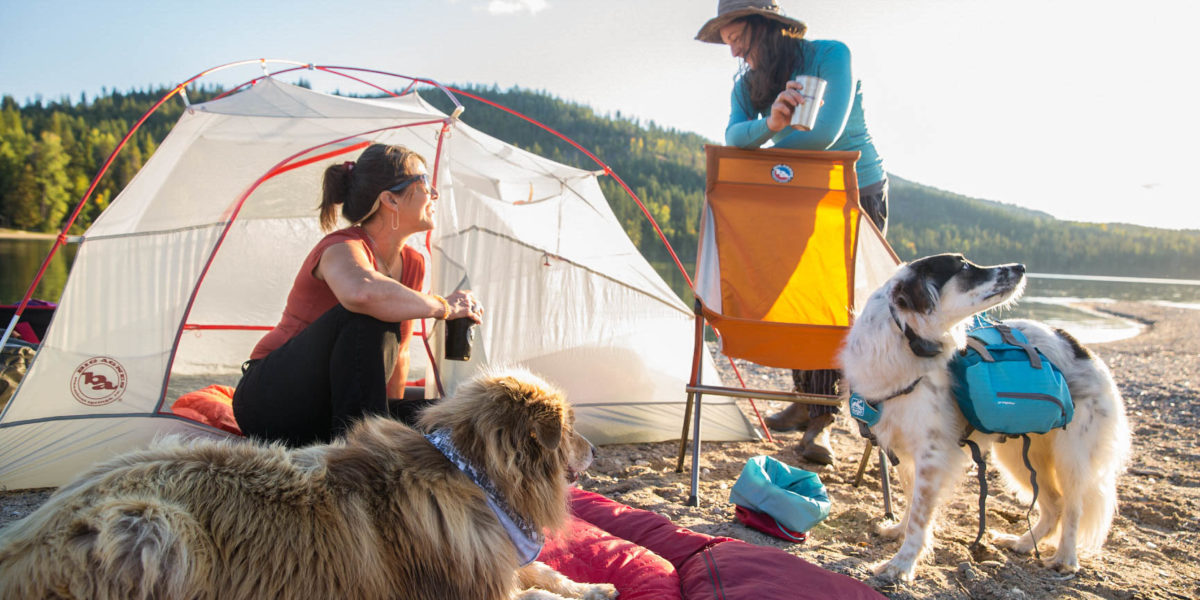
Camping with dogs adds an extra layer of joy to any outdoor trip, but it also brings responsibilities that should never be taken lightly. I have found that the best camping experiences with my dog happen when I plan ahead and think through the trip from their perspective as well as my own. Dogs thrive on routine, comfort, and safety, even in new environments filled with exciting smells and sounds. These camping tips for camping with dogs focus on preparation, awareness, and habits that make the experience enjoyable for both humans and their four-legged companions.
Preparing Your Dog Before The Trip
Preparation begins well before loading the car. I always make sure my dog is comfortable with car rides and has some exposure to outdoor environments similar to the campsite. Short practice trips to parks or nearby trails help ease anxiety and build confidence. This preparation reduces stress once we arrive at camp and allows my dog to settle in more quickly.
Health checks are another essential part of preparation. I confirm vaccinations are up to date and ensure flea, tick, and heartworm prevention is current. Bringing a copy of vaccination records gives peace of mind, especially when camping in popular areas where other pets may be present.
Selecting Dog-Friendly Campgrounds
Not every campground welcomes dogs, so confirming pet policies is a priority. I look for campgrounds that allow dogs and have clear rules regarding leashes, quiet hours, and designated pet areas. Knowing these details ahead of time prevents surprises and helps me respect campground etiquette.
Dog-friendly campgrounds often have nearby trails or open spaces suitable for walking. Access to shade and water is also important, particularly in warmer climates. A campsite that supports dogs makes the entire trip smoother and more relaxed.
Packing Essential Gear For Your Dog
Packing for a dog requires as much attention as packing for yourself. I bring a dedicated bag with my dog’s essentials so nothing gets forgotten. Food, treats, collapsible bowls, a leash, waste bags, and a familiar bed or blanket are always included.
Comfort items play a big role in helping dogs adjust to new surroundings. Familiar smells provide reassurance and help them relax at camp. Having everything organized keeps routines intact and reduces stress for both of us.
Managing Food And Hydration At Camp
Consistent meals help dogs feel secure in unfamiliar places. I stick to my dog’s regular feeding schedule and bring enough food for the entire trip, plus extra in case plans change. Sudden diet changes can lead to digestive issues, which are best avoided while camping.
Hydration is equally important, especially during active days outdoors. I offer water frequently and never assume natural water sources are safe. Clean, fresh water keeps my dog healthy and energetic throughout the trip.
Keeping Dogs Safe On Leash
Even the most well-trained dogs can become distracted in new environments. I keep my dog on a leash whenever required and often even when it is optional. Wildlife, unfamiliar people, and other dogs can trigger unexpected reactions.
A sturdy leash and well-fitting harness provide control without discomfort. Staying mindful of leash rules protects wildlife and ensures everyone at the campground feels comfortable. Responsible leash use is a cornerstone of positive camping experiences with dogs.
Creating A Comfortable Sleeping Setup
Sleeping arrangements can make or break a camping trip for a dog. I set up a designated sleeping area inside the tent or vehicle where my dog feels secure. A familiar bed or blanket helps them settle and sleep through the night.
Temperature control matters as well. I consider insulation, ventilation, and weather conditions to keep my dog comfortable. A good night’s rest benefits both of us and sets the tone for enjoyable days outdoors.
Managing Weather Conditions
Weather affects dogs differently than humans. I pay close attention to temperature, humidity, and forecast changes. In hot weather, shade and rest breaks become priorities, while cold conditions require extra insulation and warmth.
Rain can be especially challenging for dogs that dislike being wet. I pack towels and a lightweight dog jacket when appropriate. Being prepared for weather changes helps maintain comfort and prevents unnecessary stress.
Protecting Against Wildlife Encounters
Camping often means sharing space with wildlife. I remain alert and keep my dog close, particularly during dawn and dusk when animals are most active. Curiosity can lead dogs into dangerous situations if left unchecked.
Storing food properly and keeping the campsite clean reduces the chance of attracting wildlife. Calm, controlled behavior around animals protects both dogs and the natural environment. Awareness is key to peaceful coexistence.
Maintaining Routine And Structure
Dogs thrive on routine, even while camping. I maintain regular feeding, walking, and rest times as much as possible. This consistency provides stability and helps my dog adapt to new surroundings.
Predictable routines also reduce anxiety-related behaviors. A structured day makes the unfamiliar feel manageable. This balance between adventure and routine keeps my dog relaxed and happy.
Trail Etiquette With Dogs
Hiking with dogs adds excitement but requires responsibility. I research trails in advance to ensure dogs are permitted. Trail conditions, elevation, and distance all influence whether a hike is suitable for my dog.
I stay mindful of other hikers and trail users. Yielding the trail, keeping my dog close, and preventing excessive barking contribute to a positive experience for everyone. Respectful behavior reflects well on all dog owners.
Paw Care And Injury Prevention
Rough terrain can be tough on paws. I regularly check my dog’s paws for cuts, cracks, or debris. Carrying a small paw care kit helps address minor issues before they worsen.
In some conditions, protective booties are helpful. I introduce them before the trip so my dog feels comfortable wearing them. Healthy paws allow dogs to enjoy the adventure without discomfort.
Managing Noise And Campground Courtesy
Campgrounds can be noisy, which may trigger barking or anxiety. I choose campsites with some distance from high-traffic areas when possible. Familiar sounds and calm reassurance help my dog stay relaxed.
Addressing barking early prevents disruption. Gentle redirection and exercise often resolve restlessness. Courtesy toward fellow campers ensures a welcoming atmosphere for dogs and their owners.
Cleaning Up After Your Dog
Responsible cleanup is essential when camping with dogs. I always carry waste bags and dispose of them properly. Leaving no trace applies to pets as much as it does to people.
Clean campsites protect the environment and maintain access for future campers with dogs. This simple habit shows respect for nature and fellow outdoor enthusiasts. Cleanliness is non-negotiable.
First Aid And Emergency Preparedness
Unexpected situations can arise, so I carry a basic dog first aid kit. Items include bandages, antiseptic wipes, tweezers, and any medications my dog requires. Knowing how to handle minor injuries adds confidence.
I also identify the nearest veterinary clinic before the trip. Having emergency information readily available saves time if issues arise. Preparedness turns potential emergencies into manageable situations.
Monitoring Behavior And Energy Levels
Camping days can be stimulating and tiring for dogs. I pay close attention to changes in behavior or energy. Signs of fatigue, stress, or overheating prompt rest and hydration breaks.
Listening to my dog’s needs prevents overexertion. Not every activity needs to include them, and downtime is valuable. Balanced activity keeps dogs healthy and content.
Respecting Local Rules And Regulations
Each camping area has its own regulations regarding dogs. I familiarize myself with leash laws, restricted zones, and quiet hours. Following these rules avoids conflicts and fines.
Compliance also protects natural habitats and wildlife. Responsible behavior ensures continued access for dogs in outdoor spaces. Respect for rules benefits everyone.
Traveling Comfortably With Dogs
The journey to the campsite matters as much as the stay. I secure my dog safely in the vehicle and plan breaks for exercise and hydration. Comfortable travel reduces anxiety upon arrival.
Familiar toys or blankets make car rides more pleasant. A calm journey sets a positive tone for the entire trip. Travel comfort contributes to overall success.
Socializing With Other Campers And Dogs
Interactions with others are part of camping life. I assess situations carefully before allowing my dog to greet people or other dogs. Not everyone is comfortable around pets, and not all dogs enjoy socializing.
Clear communication and supervision prevent misunderstandings. Positive interactions build goodwill and enjoyable memories. Respectful social behavior reflects responsible dog ownership.
Ending Each Day Calmly
Evenings at camp provide an opportunity to wind down. I create a calm environment as the day ends, with gentle activity and familiar routines. This transition helps my dog relax after a stimulating day.
Quiet evenings reduce barking and restlessness. A peaceful close to the day benefits the entire campground. Ending on a calm note supports restful sleep.
Conclusion
Camping with dogs deepens the outdoor experience when approached thoughtfully. Preparation, awareness, and consistency transform potential challenges into rewarding moments. These camping tips for camping with dogs are built on respect for dogs, fellow campers, and the natural environment. With the right mindset and habits, camping becomes an adventure that strengthens the bond between humans and their canine companions while creating memories worth repeating.
