

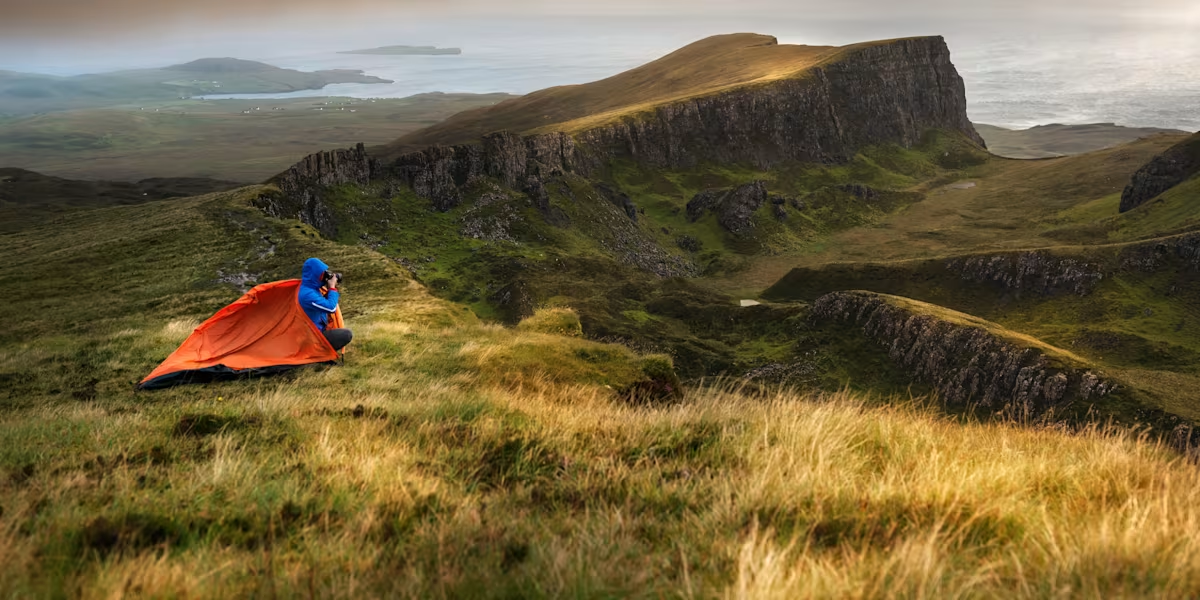
Tent camping keeps me grounded in a way no other style of camping does. Sleeping closer to the earth, hearing every shift in the wind, and waking up with the light instead of an alarm creates a rhythm that feels natural. A good tent campground makes all the difference, turning a simple setup into a comfortable and memorable experience. Over time, I have learned that the best campgrounds for tent camping balance scenery, site design, and a sense of space.
Not every campground works well for tents, even if it looks great on a map. Some places cater heavily to RVs, while others lack level ground, privacy, or basic access to trails and water. The campgrounds below stand out because they consistently deliver a solid tent camping experience. These are places where pitching a tent feels intentional rather than like an afterthought.
Yosemite National Park Campgrounds
Yosemite National Park offers some of the most iconic tent camping in the country. Campgrounds like Upper Pines, Lower Pines, and North Pines place tents right in the heart of the valley. Granite walls rise above camp, rivers run nearby, and trails begin just steps away.
I enjoy how tent sites here feel integrated into the landscape rather than carved out of it. Sites are generally flat, shaded, and clearly defined. Even with popularity, mornings and evenings feel calm once day visitors leave. Yosemite campgrounds reward early planning and deliver an unforgettable tent camping setting.
Great Smoky Mountains National Park Campgrounds
The Great Smoky Mountains provide tent campers with lush forests and a sense of immersion. Campgrounds such as Elkmont and Smokemont offer shaded sites surrounded by trees and flowing water. The sound of creeks often replaces campground noise, especially at night.
I appreciate how these campgrounds blend accessibility with a feeling of seclusion. Tent pads are typically level, and spacing between sites allows for privacy. Wildlife activity adds interest without feeling intrusive. The Smokies deliver classic tent camping in a rich and varied environment.
Acadia National Park Campgrounds
Acadia National Park feels especially well suited for tent camping. Blackwoods and Seawall campgrounds place tents close to rocky coastlines and forested trails. Ocean air and pine scents mix, creating an atmosphere that feels refreshing and calm.
I enjoy waking up early here and walking to the shoreline before the park fills with visitors. Tent sites are well maintained and thoughtfully arranged. Cool nights and moderate summer temperatures make sleeping comfortable. Acadia offers tent camping that feels both rugged and refined.
Shenandoah National Park Campgrounds
Shenandoah National Park offers ridge-top camping with wide views and quiet nights. Campgrounds like Big Meadows sit near Skyline Drive while still feeling removed from traffic. Meadows, forests, and trails surround the sites, creating variety within walking distance.
I value how tent camping here encourages slower travel. Early mornings bring fog and wildlife movement across open spaces. Sites are level and shaded, making setup easy. Shenandoah provides tent camping that feels peaceful and reflective.
Olympic National Park Campgrounds
Olympic National Park delivers diversity that works well for tent campers. Campgrounds range from coastal sites like Kalaloch to forested locations near rivers and rainforests. Each environment offers a different experience without sacrificing comfort.
I enjoy how tent sites here feel tucked into the landscape rather than exposed. Soft ground, natural barriers, and surrounding vegetation add privacy. Rain is always a possibility, but proper drainage and tree cover help manage conditions. Olympic offers tent camping shaped by variety and atmosphere.
Glacier National Park Campgrounds
Glacier National Park provides tent camping surrounded by dramatic scenery. Campgrounds such as Many Glacier and Two Medicine place tents near lakes, mountains, and wildlife corridors. The environment feels active and alive throughout the day.
I find tent camping here especially rewarding during early mornings. Wildlife movement and shifting light make each day feel different. Sites are well spaced, and natural features provide shelter from wind. Glacier delivers tent camping that feels immersive and powerful.
Custer State Park
Custer State Park offers tent camping within rolling hills and open prairies. Campgrounds like Sylvan Lake and Blue Bell provide well-designed tent sites with access to trails and scenic drives. Wildlife moves freely through the park, adding to the experience.
I enjoy how tent camping here feels relaxed yet engaging. Sites are flat, shaded, and spaced thoughtfully. Evenings bring quiet moments broken by distant animal sounds. Custer State Park delivers tent camping that feels balanced and welcoming.
Pisgah National Forest Campgrounds
Pisgah National Forest offers tent camping in a dense, mountainous forest setting. Campgrounds such as Davidson River and Lake Powhatan place tents near water and trail networks. The environment feels cool and sheltered, especially during warmer months.
I appreciate how these campgrounds support tent campers with level pads and natural shade. Forest sounds dominate the nights, creating a calming backdrop. Access to nearby towns adds convenience without disrupting the experience. Pisgah delivers tent camping rooted in comfort and greenery.
Mount Hood National Forest Campgrounds
Mount Hood National Forest provides tent camping framed by volcanic landscapes and alpine forests. Campgrounds like Trillium Lake and Lost Lake place tents near reflective water and mountain views. The setting feels spacious without being exposed.
I enjoy how tent sites here balance privacy and accessibility. Trails and viewpoints remain close, while campsites feel distinct. Cooler temperatures make sleeping comfortable, even in summer. Mount Hood delivers tent camping that feels scenic and well paced.
Big Sur Campgrounds
Big Sur offers tent camping defined by dramatic coastline and towering trees. Campgrounds such as Pfeiffer Big Sur State Park place tents near rivers and redwood groves. Ocean air drifts inland, shaping the atmosphere throughout the day.
I find tent camping here especially memorable during quiet evenings. Sites feel sheltered, with natural features creating separation. The blend of forest and coast adds depth to the experience. Big Sur delivers tent camping that feels cinematic and grounded.
Rocky Mountain National Park Campgrounds
Rocky Mountain National Park offers tent camping at high elevation with expansive views. Campgrounds like Moraine Park place tents within open valleys surrounded by peaks. Wildlife frequently moves through these areas, adding interest to mornings and evenings.
I enjoy how tent camping here emphasizes preparation and awareness. Cooler nights and open terrain shape the experience. Sites are generally flat and well spaced. Rocky Mountain National Park delivers tent camping that feels crisp and energizing.
Adirondack Park Campgrounds
Adirondack Park offers tent camping across a massive and varied landscape. Campgrounds near lakes and forests provide quiet settings with access to paddling and hiking. The environment feels calm and deeply natural.
I appreciate how tent sites here often sit close to water. Morning reflections and evening stillness add to the experience. Campsites feel intentional rather than crowded. Adirondack Park delivers tent camping that feels timeless and restorative.
Joshua Tree National Park Campgrounds
Joshua Tree National Park offers tent camping in an open desert landscape. Campgrounds like Hidden Valley and Jumbo Rocks place tents among rock formations and wide skies. The environment feels quiet and expansive, especially at night.
I enjoy how tent camping here emphasizes simplicity. Flat ground and clear layouts make setup easy. Stargazing becomes part of the nightly routine. Joshua Tree delivers tent camping that feels raw and rewarding.
What Makes a Campground Good for Tent Camping
The best campgrounds for tent camping share specific qualities. Level ground, natural shade, and thoughtful spacing between sites matter more than amenities. A well-designed tent site supports comfort without removing the sense of being outdoors.
I value campgrounds that prioritize pedestrian access over vehicle traffic. Quiet hours feel meaningful when sites are buffered by trees or terrain. Proximity to trails, water, and scenic features adds depth without requiring long drives. These factors shape whether a campground truly works for tents.
Tent Camping Comfort and Site Selection
Comfort while tent camping depends heavily on site selection. I always look for level ground with good drainage and natural wind protection. Even small slopes or exposed areas can affect sleep quality.
I also pay attention to nearby foot traffic and lighting. Sites slightly removed from main loops often feel quieter. Shade matters during warm seasons, while sun exposure helps in cooler weather. These details turn an average site into a great one.
Why Tent Camping Still Matters
Tent camping keeps the experience honest. Without walls or engines separating me from the environment, I stay aware of weather, sounds, and light. That awareness builds a stronger connection to each place I visit.
I find tent camping encourages better habits. Setup takes intention, and routines feel deliberate. Even simple moments feel earned. Tent camping remains the foundation of how I experience the outdoors.
Final Thoughts
The best campgrounds for tent camping create space for simplicity, comfort, and connection. These places respect the needs of tent campers by offering thoughtful site design and immersive settings. From mountains and forests to deserts and coastlines, the right campground transforms a basic tent into a home for the night.
Each campground on this list has shaped how I camp and what I value in a site. Tent camping thrives in places that balance access with atmosphere. For anyone seeking meaningful nights outdoors, these campgrounds deliver experiences that stay with you long after the tent is packed away.
