

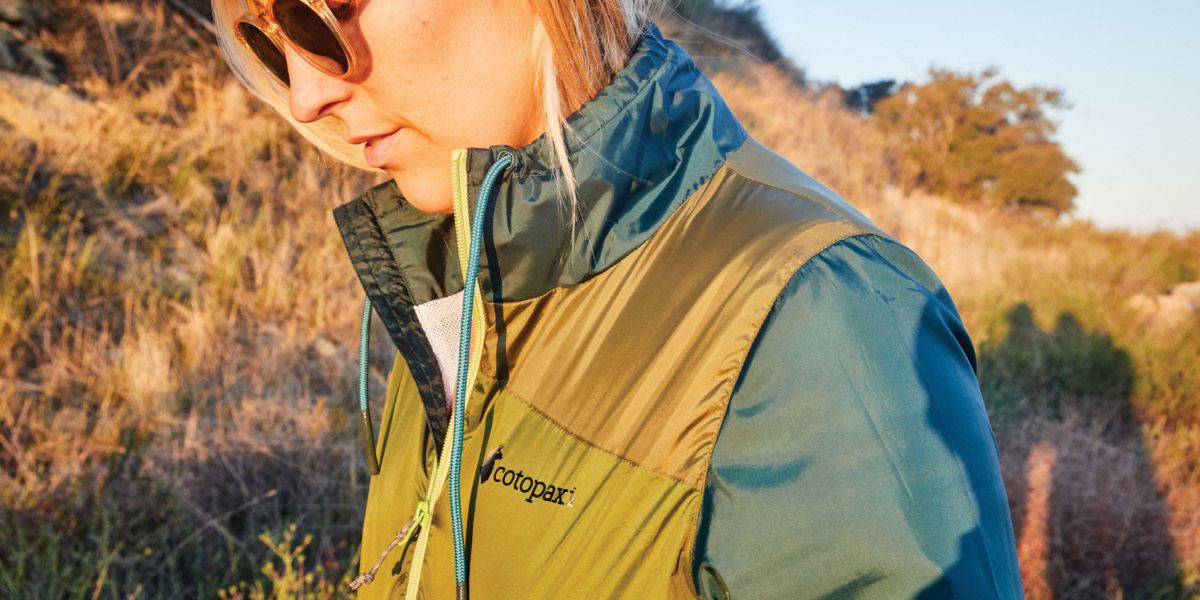
Camping comfort often comes down to how well clothing handles changing conditions throughout the day. Temperatures swing, wind picks up without warning, and rain shows up even when the forecast looked friendly. I rely on layering because it gives me control instead of leaving comfort to chance. With the right layers, I stay warm when the sun drops, cool when the trail gets steep, and dry when weather turns unpredictable.
Layering is not about piling on clothes until movement feels restricted. It is about building a system that works together, allowing adjustments without stopping the day. I treat clothing the same way I treat shelter or food planning, as something that needs thought before leaving home. Done right, layering removes distraction and lets me focus on the camp itself instead of how uncomfortable I feel.
Why Layering Matters in Camp
Weather behaves differently outdoors than it does in town. Morning frost can turn into afternoon heat, and evenings often bring sharp temperature drops. I have learned that wearing one heavy outfit rarely works because conditions rarely stay the same. Layering lets me adapt without carrying excessive weight or bulk.
Another reason layering matters is moisture management. Sweat builds quickly during hikes, firewood gathering, or setting up camp. If that moisture stays trapped, it leads to chills later when activity slows. Layers allow me to vent heat and dry out while staying protected from the elements.
Layering also adds safety. Hypothermia can happen in mild temperatures if clothing stays wet and wind cuts through insulation. Having the ability to add or remove layers keeps body temperature stable. Comfort and safety go hand in hand in the outdoors.
Starting With a Reliable Base Layer
The base layer sits directly against the skin, so its job is to manage moisture. I avoid cotton here because it absorbs sweat and dries slowly. Once cotton gets wet, it stays cold and uncomfortable. Instead, I rely on synthetic fabrics or merino wool that move moisture away from my skin.
A good base layer feels snug but not tight. It should stretch easily and move with the body. Long sleeves and full-length bottoms work best for cooler conditions, while lightweight short-sleeve options suit warm weather camping. The key is comfort during activity, not warmth by itself.
I treat base layers as all-day wear. They stay on during hiking, camp chores, and sleep if temperatures drop. Because they touch the skin, I prioritize softness and breathability over durability. A good base layer quietly does its job without drawing attention.
Building Warmth With Mid Layers
Mid layers provide insulation, trapping body heat while still allowing airflow. This is where warmth comes from, especially during cool mornings and evenings. I usually carry more than one mid layer so I can adjust based on conditions and activity level.
Fleece jackets are a favorite because they insulate even when slightly damp and breathe well during movement. Lightweight insulated jackets work well too, especially when sitting around camp. I choose pieces that compress easily and do not restrict movement.
The mid layer often comes on and off throughout the day. I add it during breaks or while setting up camp and remove it once I start moving again. Flexibility is the strength of this layer, allowing warmth without overheating.
Protecting With an Outer Layer
The outer layer shields everything underneath from wind, rain, and snow. Even mild wind can strip heat quickly, making this layer essential in many conditions. I look for shells that block wind while remaining breathable enough to prevent sweat buildup.
Rain protection is another key role of the outer layer. Sudden showers are common when camping, and staying dry keeps the entire layering system working. Waterproof jackets and pants do not need to be heavy, but they do need reliable seams and closures.
I avoid wearing the outer layer all the time unless conditions demand it. Overusing it can trap heat and moisture. Instead, I think of it as armor that comes out when weather turns against me.
Layering for Cold Weather Camping
Cold weather camping requires thoughtful layering to stay warm without overheating. I start with a slightly thicker base layer to provide extra warmth while still managing moisture. From there, I add one or two insulating mid layers depending on temperature and activity.
In cold conditions, I pay attention to how layers work together. Bulky layers that compress each other lose effectiveness. I choose pieces that stack comfortably without restricting circulation. Warmth comes from trapped air, not tight clothing.
I also keep a dedicated camp insulation layer, often thicker than what I hike in. This layer goes on once activity stops and stays on until sleep. Separating active and rest layers keeps everything drier and warmer overall.
Layering for Hot Weather Camping
Layering still matters in hot weather, though the approach changes. Lightweight, breathable base layers protect skin from sun while allowing sweat to evaporate. Long sleeves can actually feel cooler than bare skin in strong sun.
I carry a light mid layer even in summer because evenings can cool quickly. Thin fleece or light synthetic jackets add warmth without bulk. These pieces earn their place when sitting around the fire or sleeping under the stars.
Rain protection stays important in hot weather too. Sudden storms can drop temperatures fast, especially when wind follows rain. A light outer layer keeps me dry without causing overheating once the storm passes.
Adjusting Layers Throughout the Day
Layering works best when adjustments happen before discomfort sets in. I pay attention to early signs of overheating or cooling. Waiting too long often means dealing with sweat-soaked clothing or chills later.
During hikes or camp chores, I remove layers as soon as body heat rises. During breaks, layers go back on immediately to prevent cooling. This rhythm becomes automatic with practice and makes a huge difference in comfort.
I keep frequently used layers accessible rather than buried in a pack. Quick changes encourage better habits. If adjusting layers feels inconvenient, it often gets delayed until discomfort sets in.
Layering for Sleep at Camp
Nighttime layering deserves special attention because body temperature drops during sleep. I change into dry base layers reserved only for sleeping. This simple habit dramatically improves warmth and comfort overnight.
Depending on conditions, I add a light mid layer or insulated jacket before climbing into the sleeping bag. This reduces the bag’s workload and adds flexibility if temperatures drop more than expected. Hats and socks also play a big role in nighttime warmth.
I avoid wearing damp clothing to bed, even if it feels warm initially. Moisture steals heat over time. Dry layers make sleep more restful and reduce early morning chills.
Hands, Feet, and Head Layering
Layering does not stop with the torso. Hands, feet, and head lose heat quickly and need attention. I carry multiple sock options, adjusting thickness based on activity and temperature.
For hands, I use thin liners paired with warmer gloves when needed. This allows dexterity while maintaining warmth. Gloves come on and off easily as tasks change.
Headwear is one of the most effective layers. Lightweight hats block sun during the day and retain heat at night. A single hat can dramatically change how warm the entire body feels.
Managing Wet Conditions With Layers
Rain and moisture challenge any clothing system. I focus on keeping inner layers dry by adjusting insulation before sweat builds. Venting outer layers during movement helps reduce internal moisture.
If layers do get wet, I prioritize drying them as soon as possible. I hang clothing near airflow or warmth without exposing it to direct flames. Drying prevents chills and keeps the system working.
I also separate wet and dry clothing in camp. Mixing them invites moisture transfer. Organization plays a quiet but important role in staying comfortable.
Common Layering Mistakes to Avoid
One mistake I see often is wearing too much too soon. Starting an activity overdressed leads to sweat buildup that causes problems later. I begin slightly cool, knowing movement will warm me quickly.
Another mistake is relying on a single heavy layer instead of multiple lighter ones. Heavy layers reduce flexibility and make adjustments harder. Multiple layers provide better control and efficiency.
Ignoring fit also causes issues. Layers that are too tight restrict circulation and reduce warmth. Layers that are too loose trap less heat and snag easily. Balance matters.
Packing Layers Efficiently
Packing layers efficiently supports better use in camp. I roll or stuff layers in a way that keeps them accessible. Frequently used items stay near the top of the pack.
I also think about layering combinations while packing. Each piece should work with the others. Redundant items waste space, while versatile layers earn their keep.
Planning layers based on expected conditions saves weight and frustration. I still prepare for surprises, but thoughtful packing keeps the system streamlined.
Long-Term Benefits of Proper Layering
Learning how to layer clothing for camping weather improves every outdoor experience. Comfort increases, energy lasts longer, and focus stays on the environment instead of discomfort. Good layering habits also extend the life of clothing by reducing stress on individual pieces.
Layering builds confidence in unpredictable conditions. Knowing I can adapt quickly removes anxiety about weather changes. That confidence encourages longer trips and new environments.
Over time, layering becomes instinctive. Adjustments happen without thought, and comfort becomes the norm rather than the exception.
Final Thoughts on Camping Clothing Layers
How to layer clothing for camping weather is less about rules and more about awareness. Paying attention to temperature, activity, and moisture guides every decision. Layers work best when treated as a system rather than individual pieces.
I rely on layering because it adapts to real conditions, not ideal forecasts. It supports safety, comfort, and enjoyment in equal measure. With practice, layering becomes one of the most valuable skills a camper can develop.
Camping weather will always be unpredictable, but clothing does not have to be. A smart layering system keeps me prepared for whatever the day brings, from sunrise chill to nighttime calm.
