

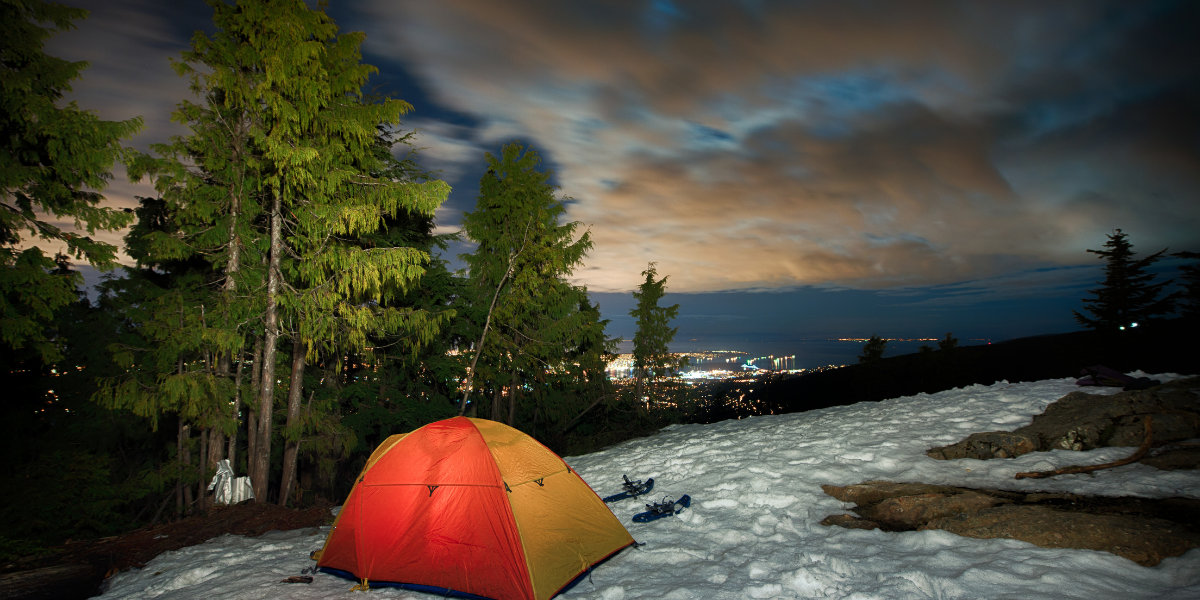
Sleep can make or break a camping trip. A beautiful location and perfect weather mean very little if the night is spent tossing, turning, and counting the hours until sunrise. Over time, I have realized that sleeping well outdoors is not about luck or toughness. It comes down to preparation, smart habits, and a willingness to adjust routines to match the environment rather than fight it.
Accepting That Outdoor Sleep Is Different
Expecting to sleep exactly the same way outdoors as I do at home sets the stage for disappointment. Camping sleep follows different rules, and once I accepted that, nights became easier. Sounds are sharper, temperatures fluctuate, and surfaces are never perfectly flat.
Instead of resisting those differences, I prepare for them mentally. I remind myself that lighter sleep is normal and that waking briefly during the night does not mean the rest will be ruined. This mindset reduces stress and helps the body relax more naturally.
Picking the Right Campsite Spot
Where I place my tent has a direct impact on sleep quality. I take time to walk around the campsite and observe the terrain before committing to a spot. Flat ground matters, but so does drainage, wind exposure, and proximity to noise sources.
I avoid setting up too close to trails, restrooms, or water where people and animals move frequently. Slightly elevated ground helps with airflow and moisture control. A quiet, stable location sets the foundation for a restful night.
Paying Attention to Ground Comfort
The ground beneath the tent influences sleep more than most people realize. Even soft-looking dirt can feel unforgiving after a few hours. I clear rocks, sticks, and uneven patches before setting up to reduce pressure points.
Adding a proper sleeping pad has been one of the biggest improvements to my camping sleep. It provides cushioning and insulation, preventing cold from seeping upward. Ground comfort often determines whether sleep feels refreshing or restless.
Managing Temperature Through Layers
Temperature shifts throughout the night are common, even in mild seasons. I prepare for this by layering rather than relying on a single solution. Wearing breathable base layers allows me to stay warm without overheating.
I keep extra layers within reach so adjustments can be made without leaving the sleeping area. This flexibility prevents discomfort that might otherwise wake me fully. Managing temperature through layers creates a stable sleeping environment.
Using the Right Sleeping Bag
A sleeping bag suited to the season makes a noticeable difference. I pay attention to temperature ratings and consider personal comfort levels rather than marketing claims. A bag that is too warm can be just as disruptive as one that is too cold.
I also make sure the bag fits properly. Excess space traps cold air, while a bag that is too tight restricts movement. A well-matched sleeping bag supports consistent warmth and comfort throughout the night.
Supporting the Neck and Head
Neck support is easy to overlook when packing for a trip. I experimented with various solutions before finding what works best for me. A compact camping pillow or a stuff sack filled with clothing provides enough support without taking much space.
Supporting the head properly reduces stiffness and morning soreness. It also helps maintain a more natural sleeping position. Small adjustments like this can significantly improve sleep quality.
Reducing Noise Disturbances
Outdoor sounds are part of the experience, but some can interfere with sleep. Wind, rustling leaves, and distant conversations can feel louder at night. I prepare for this by managing noise rather than expecting silence.
Soft earplugs help dull disruptive sounds while still allowing awareness of the environment. Familiar background noise, such as gentle music played quietly, can also help mask sudden sounds. Managing noise creates a calmer mental state conducive to rest.
Controlling Light Exposure
Light affects sleep more than many campers realize. Headlamps, lanterns, and nearby campsites can disrupt natural rhythms. I position lighting carefully and turn off unnecessary sources well before bedtime.
Using a sleep mask is a simple solution when light cannot be controlled. It helps signal the body that it is time to rest. Managing light exposure supports deeper and more consistent sleep cycles.
Eating the Right Evening Meals
What I eat in the evening influences how well I sleep outdoors. Heavy or overly spicy meals can cause discomfort during the night. I aim for balanced meals that provide energy without overwhelming digestion.
Timing also matters. Eating too late can interfere with rest, while going to bed hungry is equally disruptive. A light snack before sleep helps maintain comfort without strain.
Staying Hydrated Without Overdoing It
Hydration supports overall comfort, but too much water before bed leads to frequent wake-ups. I hydrate steadily throughout the day and taper intake in the evening. This approach balances comfort and necessity.
I keep water nearby in case thirst strikes during the night. Being prepared avoids the need to search in the dark. Thoughtful hydration supports uninterrupted rest.
Establishing a Bedtime Routine
Routine signals the body that it is time to wind down, even in unfamiliar settings. I follow a consistent sequence of activities before sleep. Simple actions like stretching, brushing teeth, and organizing gear help create a sense of normalcy.
This routine reduces mental stimulation and prepares the body for rest. Familiar patterns are calming, even outdoors. Establishing a bedtime routine improves sleep consistency.
Managing Stress and Thoughts
Lingering thoughts can keep the mind active when the body is ready for rest. I make an effort to resolve tasks and decisions before settling in for the night. Writing notes or planning the next day earlier helps clear the mind.
Deep breathing and quiet reflection slow mental activity. Focusing on natural sounds rather than worries eases the transition into sleep. Managing stress mentally is just as important as physical comfort.
Dressing Specifically for Sleep
Clothing worn during the day often carries moisture and odors that affect comfort. I change into clean, dry sleepwear before bed. This habit improves warmth and overall comfort.
Sleep clothing should be loose and breathable. Restrictive garments interfere with circulation and relaxation. Dedicated sleepwear creates a clear boundary between activity and rest.
Ventilating the Tent Properly
Poor airflow can lead to condensation and discomfort. I adjust tent vents to allow fresh air circulation without letting in cold drafts. Proper ventilation balances warmth and moisture control.
Fresh air improves breathing and reduces stuffiness. A well-ventilated tent feels more comfortable and restful. Managing airflow contributes to a healthier sleeping environment.
Positioning Gear Strategically
Clutter inside the tent creates stress and limits movement. I organize gear so that essentials are accessible but not intrusive. Shoes, lights, and clothing have designated spots.
This organization reduces frustration during nighttime adjustments. A tidy sleeping space promotes calmness. Small organizational habits improve overall sleep quality.
Adjusting Sleep Positions
Sleeping positions that work at home may not translate well outdoors. I experiment with positions that reduce pressure points on uneven surfaces. Slight changes can make a significant difference.
Using clothing to support knees or lower back adds comfort. Listening to the body’s signals helps identify the most restful position. Adaptability leads to better sleep.
Dealing With Cold Feet and Hands
Cold extremities can disrupt sleep even when the rest of the body feels warm. I address this by wearing dedicated sleep socks and ensuring hands stay warm. Keeping circulation steady prevents frequent waking.
Warming the sleeping bag before entering also helps. Small actions taken early in the night pay off later. Comfort at the extremities supports deeper rest.
Preparing for Early Morning Light and Noise
Morning light and activity can wake campers earlier than desired. I anticipate this by planning sleep timing accordingly. Going to bed slightly earlier aligns rest with natural rhythms.
Using a sleep mask or adjusting tent orientation reduces early light exposure. Preparation minimizes abrupt wake-ups. Smooth transitions between sleep and waking improve how rested I feel.
Respecting Personal Sleep Needs
Everyone has different sleep requirements. I acknowledge my own limits and plan trips that allow adequate rest. Ignoring personal needs leads to fatigue and reduced enjoyment.
Listening to the body’s signals guides better decisions. Rest is not a luxury but a necessity. Respecting personal sleep needs supports safer and more enjoyable trips.
Learning From Each Night Outdoors
Every camping night offers feedback. I reflect on what worked and what did not after each trip. Adjustments become easier with experience.
Keeping mental notes or a simple journal helps track improvements. Over time, sleep quality improves through small refinements. Learning from experience is key to consistent rest.
Conclusion
A better night’s sleep while camping is achievable with the right approach. Comfort, preparation, and mindset work together to support restful nights outdoors. These camping tips for a better night’s sleep come from experience shaped by trial, patience, and attention to detail.
Sleeping well outdoors enhances every aspect of a trip. Energy levels improve, moods stay balanced, and challenges feel manageable. By focusing on thoughtful habits and practical adjustments, camping nights can become as restorative as the days are adventurous.
