

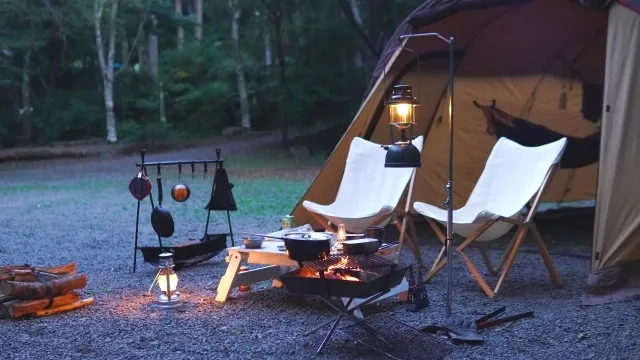
Breaking camp efficiently in the morning can set the tone for the entire day. A smooth, fast departure leaves more time for hiking, driving, or enjoying the destination ahead instead of feeling rushed or frustrated. I have learned that breaking camp quickly is less about moving faster and more about having systems in place that make every step feel automatic. With the right habits, mornings become calm, focused, and surprisingly efficient.
Morning breakdown often feels harder because energy is lower and temperatures can be uncomfortable. Cold fingers, damp gear, and lingering sleepiness all slow things down if there is no plan. I approach morning camp breakdown as a continuation of the previous evening rather than a separate task. Preparation starts the night before, and the payoff shows as soon as the sun comes up.
Setting Yourself Up the Night Before
Fast mornings begin with smart evenings. Before settling in for the night, I take a few minutes to organize gear with the morning in mind. Items I will not need overnight get packed away early so they are already handled.
I also think about the order of operations for the morning. Knowing what needs to stay accessible until the last minute prevents unpacking things twice. Headlamps, jackets, and footwear stay within reach so I am not digging around half-awake.
Food planning plays a role too. Simple breakfasts that require minimal cooking save time and cleanup. When mornings are streamlined, breaking camp feels controlled rather than chaotic.
Waking Up With Purpose
I avoid lingering in the sleeping bag longer than necessary. Once awake, I get moving right away to build momentum. Even small actions like sitting up and putting on shoes help shift the body into task mode.
I start with tasks that warm me up. Moving around, packing small items, and tidying the campsite generate heat and energy. This makes colder mornings more manageable and speeds up the entire process.
Mental focus matters as much as physical movement. I remind myself of the goal to leave efficiently and cleanly. That intention keeps distractions from slowing progress.
Packing Personal Items First
Personal gear goes first because it is usually scattered and easy to overlook. Clothing, toiletries, and sleep accessories get packed immediately after getting dressed. Clearing these items reduces clutter and makes the campsite feel smaller and more manageable.
I pack items in the same place every time. Muscle memory speeds up the process because there is no decision-making involved. Familiar systems eliminate wasted time.
This step also prevents leaving things behind. Personal items are the most commonly forgotten because they blend into the environment. Packing them early removes that risk.
Breaking Down the Sleeping Area
The sleeping area often takes the most time if handled poorly. I air out sleeping bags briefly while packing other items, even if only for a few minutes. This prevents moisture buildup without slowing the process.
I roll or stuff sleeping gear consistently rather than perfectly. Speed matters more than aesthetics in the morning. As long as gear fits properly and stays dry, perfection is unnecessary.
Once the sleeping area is packed, the campsite immediately feels more open. That psychological shift makes the rest of the breakdown feel easier and faster.
Managing Tent Breakdown Efficiently
Tent breakdown goes smoother when approached methodically. I remove all gear from inside before collapsing anything. Empty space makes folding and packing quicker.
I shake out debris immediately rather than later. Doing this at the site prevents mess inside packs and vehicles. It also avoids having to clean the tent again at home.
Folding or stuffing the tent follows a familiar routine. Repetition speeds up movement and reduces frustration. The tent goes away clean, dry if possible, and ready for the next use.
Handling Morning Condensation
Condensation is a common morning challenge that slows breakdown if ignored. I wipe down wet surfaces quickly using a small cloth or bandana. Even partial drying reduces moisture during storage.
If time allows, I let the tent breathe briefly while packing other items. Airflow helps more than waiting idly. Efficiency comes from multitasking, not rushing.
When moisture cannot be avoided, I pack wet gear separately. This prevents spreading dampness to other items. Dealing with moisture later is easier when it is contained.
Cooking and Kitchen Breakdown
Camp kitchens can either slow everything down or disappear quickly. I clean cookware immediately after breakfast. Waiting only allows residue to harden and creates more work.
I pack kitchen items in a set order. Stove, fuel, cookware, then food storage go away consistently. This rhythm prevents forgetting pieces or repacking items multiple times.
Minimalism helps here. Fewer cooking tools mean faster cleanup. Simple meals support faster departures without sacrificing comfort.
Managing Trash and Food Storage
Trash management is part of efficient breakdown. I consolidate waste early rather than dealing with scattered scraps at the end. A single trash bag keeps things organized.
Food gets secured properly before loading. I double-check containers to ensure nothing spills during travel. This step avoids future messes and wildlife issues.
Leaving the site clean and food-free is non-negotiable. Efficiency does not mean carelessness. A clean campsite is part of responsible camping.
Organizing Gear for Transport
Loading gear follows a deliberate order. Heavier items go in first, lighter ones last. This prevents constant rearranging and saves time.
I load items based on how soon I will need them later. Gear for breaks or quick access stays reachable. Planning ahead prevents unnecessary unloading later.
Consistent packing patterns speed things up over time. Familiar layouts reduce thinking and increase confidence. The vehicle or pack becomes an extension of the system.
Doing a Final Campsite Sweep
Before leaving, I do a slow visual sweep of the campsite. Walking the area methodically helps spot forgotten items. Rushing this step often leads to lost gear.
I check common problem spots like under logs, near seating areas, and around fire rings. Small items blend into natural surroundings easily. Awareness prevents loss.
This sweep also ensures the site looks untouched. Leaving no trace is part of efficient camping. Respect for the environment completes the process.
Breaking Camp in Bad Weather
Weather complicates mornings, but systems still work. In rain, I prioritize keeping dry items protected. Packing under shelter or using rain gear strategically saves time later.
I pack items in layers rather than one at a time. Grouping similar tasks speeds things up. Wet weather rewards decisiveness over hesitation.
Accepting less-than-perfect packing helps. Gear can be reorganized later once conditions improve. The priority is safe, efficient departure.
Coordinating With Others
Breaking camp with others requires communication. I clarify who handles which tasks before starting. Clear roles prevent duplication and delays.
I focus on my assigned responsibilities rather than supervising. Trusting the system keeps things moving. Efficiency improves when everyone knows their role.
Checking in briefly before leaving ensures nothing is missed. A shared final sweep adds security without slowing departure.
Staying Calm Under Time Pressure
Time pressure often creates mistakes. I remind myself that calm movement is faster than rushed chaos. Staying composed improves efficiency naturally.
If something goes wrong, I pause and adjust rather than forcing progress. Small corrections save time overall. Frustration only slows things down.
Confidence in the routine reduces stress. Familiar systems perform well even under pressure. Trusting the process keeps mornings smooth.
Building Speed Through Repetition
Speed improves with repetition. Each trip reinforces habits that make mornings easier. Efficiency grows organically rather than through force.
I review what slowed me down after each trip. Small tweaks improve future breakdowns. Continuous improvement keeps systems effective.
Over time, breaking camp quickly becomes automatic. The process fades into the background, leaving more energy for the journey ahead.
Teaching Efficient Camp Breakdown to New Campers
Helping others learn efficient breakdown benefits everyone. I demonstrate systems rather than explaining them abstractly. Watching the flow makes it easier to copy.
I encourage consistency rather than speed at first. Good habits matter more than fast movement. Speed comes naturally once systems settle.
Shared efficiency makes group trips more enjoyable. Smooth mornings set a positive tone for the entire day.
Balancing Speed With Enjoyment
Breaking camp quickly does not mean rushing through the experience. I still take moments to appreciate the setting. Efficiency creates space for enjoyment rather than eliminating it.
A calm, organized departure feels satisfying. There is pride in leaving a site clean and ready for the next camper. That feeling enhances the trip.
Speed serves freedom. Less time packing means more time exploring, resting, or traveling onward.
Final Thoughts on Morning Camp Breakdown
How to break camp quickly in the morning comes down to preparation, consistency, and mindset. The process starts the night before and finishes with a careful final sweep. Systems replace stress, and habits replace hesitation.
I find that efficient mornings improve the entire camping experience. Energy stays higher, frustration stays lower, and days start with purpose. Confidence grows each time the routine works smoothly.
Breaking camp does not have to feel like a chore. With the right approach, it becomes a satisfying rhythm that supports better adventures ahead.
