

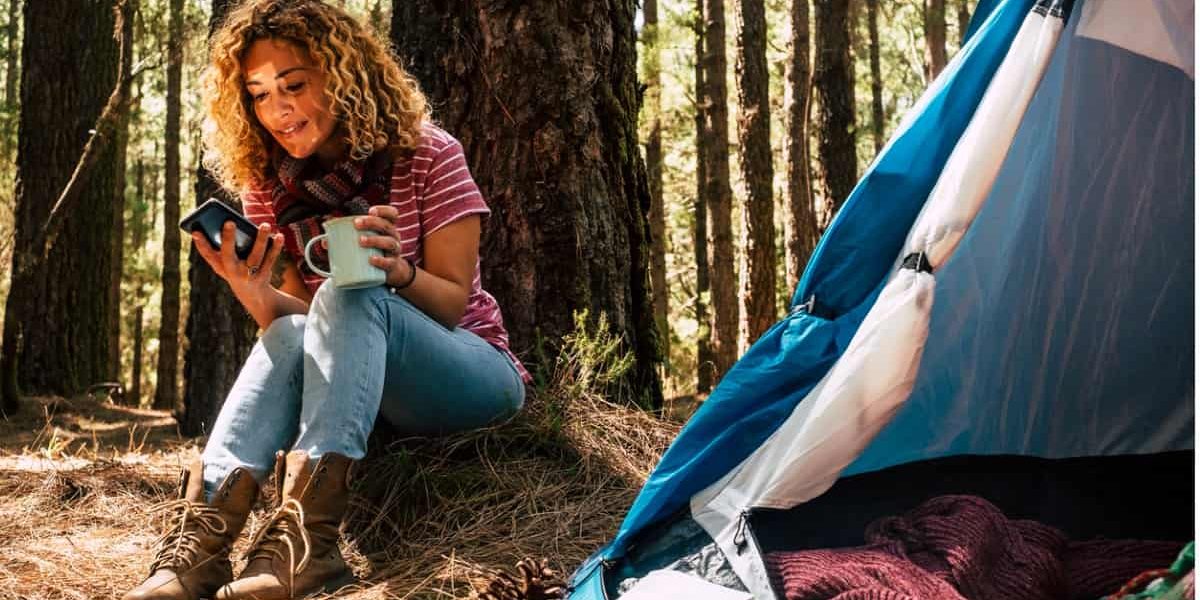
Packing sets the tone for the entire camping trip. Before I ever reach the trailhead or campsite, the way my gear is packed already determines how smooth things will feel later. Efficient packing is not about bringing less just for the sake of it, but about bringing the right things in the right way. When packing is done well, camp setup feels calmer, travel is easier, and nothing important gets buried or forgotten.
Over time, I learned that packing efficiently is a skill built through repetition and honest evaluation. Each trip teaches me what I actually used and what stayed untouched. Efficient packing creates space, reduces stress, and makes it easier to adapt when conditions change. With a clear system, packing stops feeling like a chore and becomes part of the adventure itself.
Starting With A Clear Packing Plan
Efficient packing always starts before gear touches the bag. I begin by thinking through the entire trip from start to finish. Travel time, weather, terrain, and activities all shape what needs to come along. This mental walkthrough prevents unnecessary items from slipping in at the last minute.
A written checklist helps keep things focused. I group items by purpose rather than by where they will go in the pack. Shelter, sleep, clothing, food, and tools each get their own section. This structure reduces duplication and ensures every essential category is covered without overpacking.
Matching Gear To The Type Of Trip
Not every camping trip requires the same setup. A weekend car camp demands a different packing approach than a multi-day hike. I tailor my gear list to the style of trip rather than relying on a single default setup.
Short trips allow slightly more flexibility, while longer trips demand discipline. Carrying extra items adds up fast when weight matters. Efficient packing means adjusting expectations to the trip rather than forcing a one-size approach. Matching gear to the trip keeps packs manageable and practical.
Prioritizing Multi-Use Items
Multi-use gear forms the backbone of efficient packing. I favor items that solve more than one problem. A tarp can provide shelter, ground cover, or rain protection. A cooking pot can double as a bowl or wash basin.
Each multi-use item earns its place by reducing the need for additional gear. This approach cuts weight and saves space without sacrificing function. Over time, these versatile items become favorites because they consistently prove their value.
Clothing Systems That Save Space
Clothing takes up more space than most people expect. Efficient packing starts with realistic clothing choices rather than packing for every possible scenario. I focus on layers that work together instead of bulky single-purpose garments.
Neutral colors and adaptable fabrics simplify combinations. Each item should work in more than one outfit or condition. Rolling clothing tightly or using compression bags reduces bulk while keeping things organized. Thoughtful clothing systems eliminate excess without risking discomfort.
Managing Footwear And Accessories
Footwear quickly eats up space if not handled carefully. I limit myself to what I will actually wear. Camp shoes are lightweight and compact, while hiking boots stay worn during travel whenever possible.
Accessories follow the same logic. Hats, gloves, and socks get packed based on weather rather than habit. Small items are grouped together to avoid scattering throughout the bag. Keeping accessories organized prevents overpacking and wasted space.
Organizing Gear By Function
Efficient packing relies heavily on organization. I pack items based on how and when they will be used. Shelter components stay together, cooking gear stays together, and sleeping gear stays together.
This functional grouping speeds up camp setup and breakdown. It also prevents digging through the entire pack to find one small item. Clear organization turns packing into a predictable system rather than a guessing game.
Using Packing Cubes And Stuff Sacks
Packing aids make a noticeable difference. Stuff sacks, dry bags, and packing cubes help control chaos. Each category of gear gets its own container, making it easy to locate items quickly.
These containers also protect gear from moisture and dirt. Compression sacks reduce volume for bulky items like sleeping bags and jackets. With the right containers, the pack stays orderly even after multiple days of use.
Weight Distribution Inside The Pack
Where items go inside the pack matters as much as what goes in. I place heavier items close to my back and centered for better balance. Lighter items go toward the outside and bottom.
Frequently used items stay near the top or in external pockets. This reduces unnecessary unpacking throughout the day. Proper weight distribution improves comfort and reduces fatigue, especially on longer hikes.
Food Packing Without Excess Bulk
Food packing often leads to unnecessary weight. I remove extra packaging and repackage food into lightweight containers. Meals are planned carefully to avoid carrying unused ingredients.
Grouping food by day or meal simplifies access and reduces waste. Snacks stay separate from main meals for quick access. Efficient food packing balances nutrition, variety, and space without relying on bulky containers.
Cooking Gear That Stays Minimal
Cooking gear is easy to overdo. I focus on essentials rather than full kitchen setups. A single pot, simple utensils, and a compact stove cover most needs.
Shared items reduce duplication when camping with others. Cleaning supplies stay minimal and purposeful. Efficient cooking gear supports meals without dominating pack space.
Water Storage And Filtration Planning
Water management affects packing more than expected. Carrying only necessary storage containers reduces weight. I match water capacity to distance between sources rather than maximum capacity at all times.
Filtration systems replace the need to carry excessive water. Compact filters or purification tablets take up little space while providing flexibility. Smart water planning keeps packs lighter and more adaptable.
Tool Selection That Makes Sense
Tools serve important roles but can quickly become excessive. I evaluate each tool based on actual use rather than potential scenarios. A multitool often replaces several single-purpose items.
Repair kits stay compact and focused. Items included must solve common problems rather than rare ones. Efficient tool selection balances preparedness with restraint.
First Aid And Safety Packing
Safety gear deserves careful thought. First aid kits stay tailored to the group size and trip length. I remove unnecessary items and add specific supplies based on known needs.
Emergency gear stays accessible rather than buried. Organization here matters more than minimalism. Efficient packing ensures safety tools are ready without taking over the pack.
Managing Personal Items Thoughtfully
Personal items often sneak in unnoticed. Toiletries get minimized into travel-sized containers. Only essentials make the cut, and luxury items stay limited.
Electronics stay minimal and purposeful. Extra cords, adapters, and gadgets add clutter quickly. Thoughtful selection keeps personal items useful rather than excessive.
Preparing For Weather Changes
Weather planning reduces the need for overpacking. I rely on layers and adaptable gear rather than separate outfits for every condition. Waterproof shells replace multiple rain-specific items.
Checking forecasts helps guide decisions. Efficient packing responds to realistic conditions rather than worst-case scenarios. Preparedness does not require excess when choices are smart.
Packing Order That Saves Time
The order of packing affects usability. I pack items in reverse order of use. Gear needed last goes in first, while essentials stay accessible.
This approach reduces frustration during setup and breakdown. It also prevents unnecessary unpacking during the trip. Packing order becomes part of an efficient system rather than an afterthought.
Testing Packed Gear Before The Trip
Before leaving, I test the packed setup. Lifting the pack, adjusting straps, and checking balance reveals issues early. This step often highlights items that can be removed or rearranged.
Testing also builds familiarity with where everything is stored. Knowing the pack layout saves time at camp. A quick test prevents surprises once the trip starts.
Learning From Each Trip
Every trip offers feedback. After returning, I review what worked and what did not. Items that went unused get reconsidered before the next trip.
This reflection improves efficiency over time. Packing lists evolve based on experience rather than guesswork. Each trip becomes easier to pack for than the last.
Packing For Group Camping
Group trips require coordination. Sharing gear reduces duplication and saves space. I communicate with others to divide responsibilities clearly.
Group packing works best when roles are defined. Cooking gear, shelter components, and tools get distributed logically. Efficient group packing benefits everyone involved.
Staying Flexible While Packing
Flexibility matters as much as planning. I leave small gaps in the pack for adjustments. This allows room for unexpected items or changes.
Overstuffed packs limit adaptability. Efficient packing balances structure with breathing room. Flexibility prevents small changes from becoming big problems.
Final Thoughts On Efficient Packing
How to pack efficiently for camping trips comes down to intention, organization, and experience. Efficient packing reduces stress before the trip even begins. It supports comfort, safety, and enjoyment throughout the journey.
Packing well is not about perfection but about improvement. Each trip sharpens the process and builds confidence. With thoughtful planning and honest evaluation, packing becomes a skill that enhances every camping experience rather than complicating it.
